
← Back
11/20/1984 • 4 views

Fire and Explosions in Mexico City Metro Kill Dozens
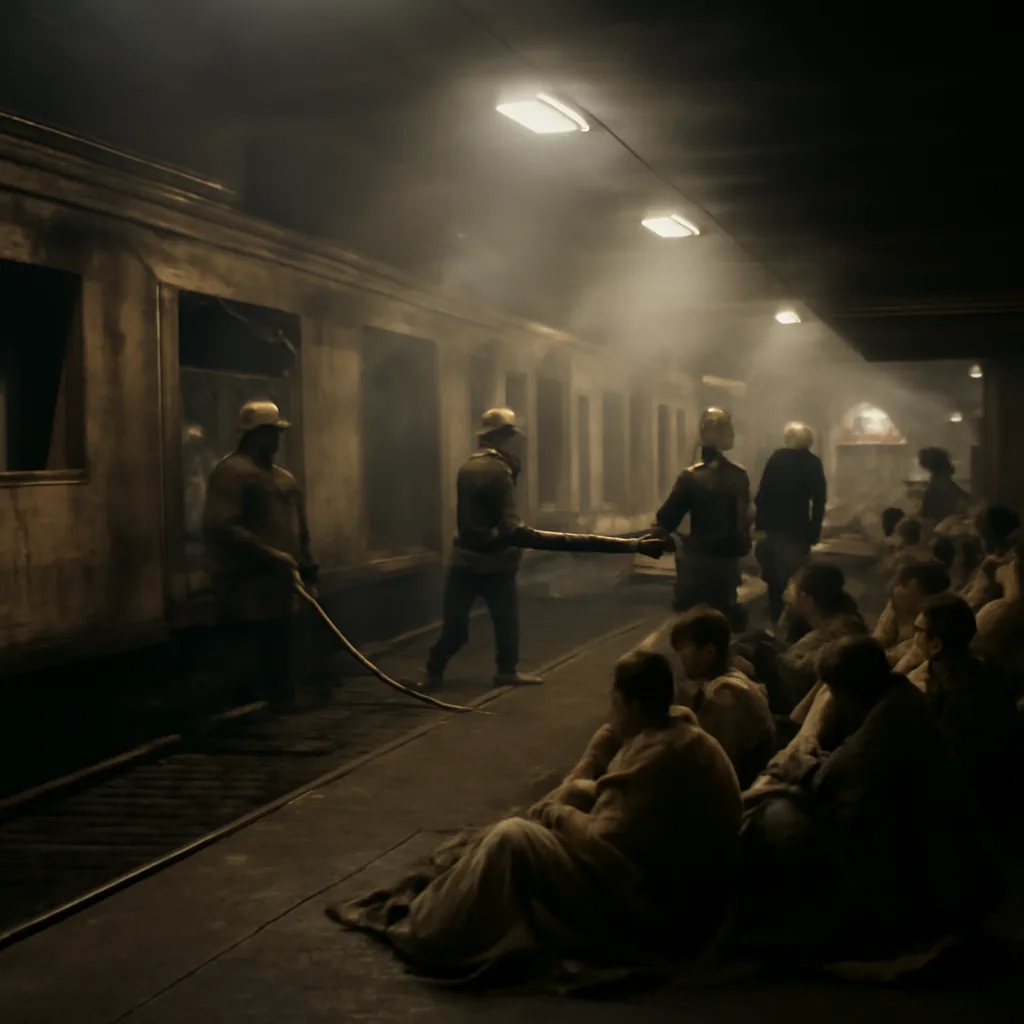
Smoke-filled Mexico City Metro station platform at night with emergency responders and evacuated passengers; damaged train cars and debris on the tracks.

On November 20, 1984, a fire and subsequent explosions during evening service in Mexico City’s Metro system caused dozens of deaths and injuries, overwhelming local hospitals and prompting national investigation and public outcry.


On the evening of November 20, 1984, a catastrophic fire and subsequent explosions occurred within the Mexico City Metro system during regular passenger service, resulting in dozens of deaths and many more injured. The incident took place amid heavy commuter traffic in one of the world’s largest rapid-transit systems, triggering an immediate emergency response and intense media coverage.

The precise sequence of events and the final casualty totals were contested in the weeks following the disaster. Initial reports described a fire that began on a train or in a station area and then spread, producing smoke, panic, and a series of detonations or secondary blasts. Rescue teams, firefighters and hospital staff faced chaotic conditions as injured passengers were evacuated and taken to nearby medical facilities. Hospitals in Mexico City reported receiving large numbers of burn and smoke-inhalation victims, stretching resources. Authorities initially provided provisional casualty figures; later counts varied as recovery and identification efforts continued.

The Metro, inaugurated in 1969 and expanded through the 1970s and 1980s, was central to daily life in Mexico City, carrying millions of passengers. The 1984 incident raised immediate questions about safety standards, emergency procedures and infrastructure maintenance in the system. Public concern focused on whether flammable materials, electrical faults, inadequate ventilation, or overcrowding had contributed to the rapid spread of fire and the severity of casualties. Government officials ordered investigations into the causes and safety practices within the transit network.

In the aftermath, authorities launched inquiries by municipal and federal agencies. Reports and press coverage examined technical factors such as train wiring, electrical installations, signaling equipment and the presence of combustible materials in stations and rolling stock. Investigators also looked at operational matters: evacuation protocols, staff training, communication systems and the adequacy of emergency exits and access for first responders. Union representatives and some independent commentators criticized the pace and transparency of official investigations, while survivors and families of victims demanded accountability and improved safety measures.

The disaster prompted calls for both immediate remedial actions and longer-term reforms. Operational changes considered or implemented in subsequent months included stricter inspections of electrical systems, removal or replacement of hazardous materials, improvements to ventilation and fire suppression systems, and revised passenger safety and evacuation procedures. Public debate over investment priorities, regulatory oversight and the balance between rapid network expansion and maintenance intensified.

The Mexico City Metro tragedy of November 20, 1984, remains a significant event in the city’s modern history, remembered for its human cost and for catalyzing scrutiny of urban transit safety. Exact death and injury counts reported in contemporaneous sources varied, and some details—such as the definitive technical cause of the explosions—were the subject of dispute in follow-up reporting. The incident influenced later safety policies and is cited in discussions about urban transit risk management in Mexico and beyond.

For readers seeking primary-source accounts and official findings, contemporaneous newspapers, government reports and archival materials from Mexico City institutions provide the most direct documentation. Secondary analyses in transport safety literature address how the event shaped policy and emergency-response practices in subsequent years.

Share this

Email Share on X Facebook Reddit

Did this surprise you?