
10/01/2013 • 4 views
Federal operations halt as Congress fails to pass budget, triggering 2013 government shutdown
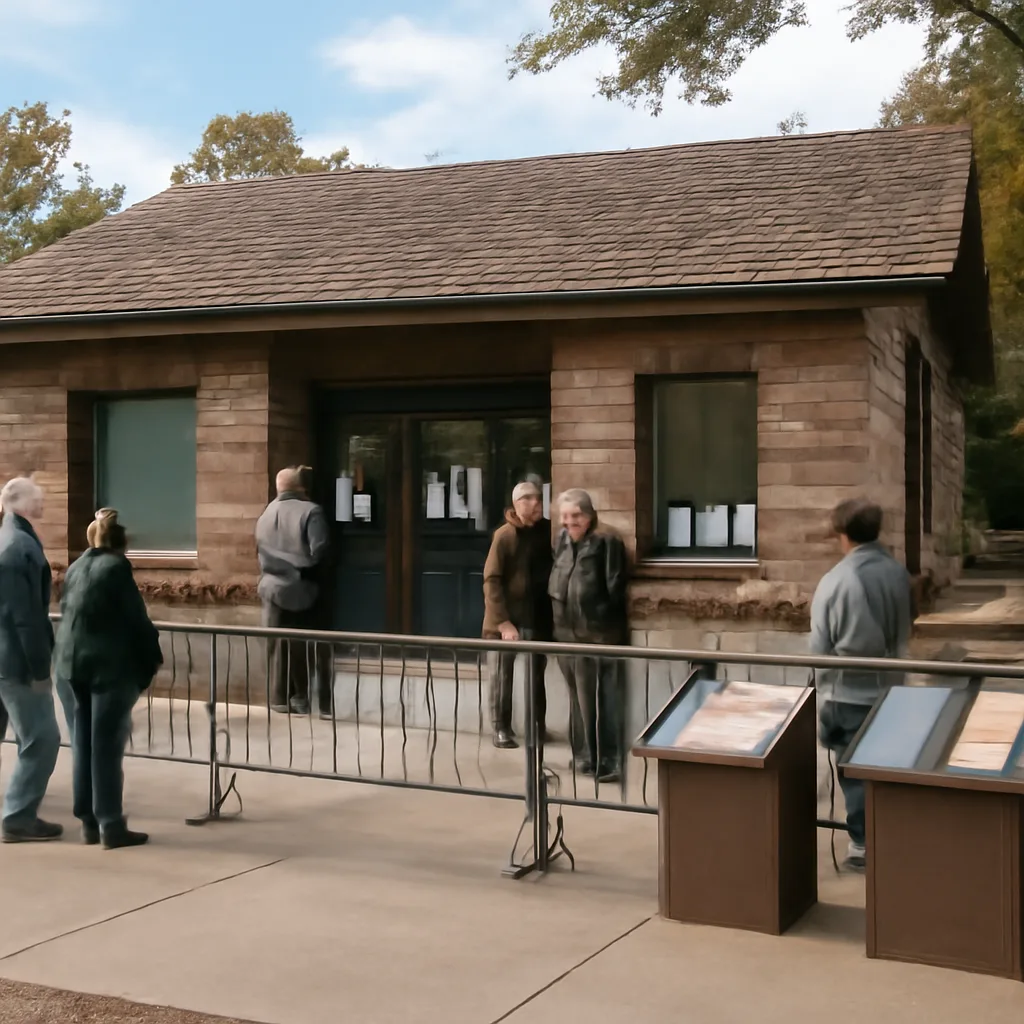
On October 1, 2013, the U.S. federal government entered a shutdown after Congress did not enact continuing appropriations; many nonessential federal services paused while debates over funding and policy continued.
Scope and operations
The shutdown was partial rather than a complete cessation of all federal activities. Essential services related to national security, public safety, and activities funded through mandatory spending continued. These included active-duty military operations, Social Security benefit payments, and certain public safety functions. Discretionary programs, however, faced immediate impacts: national parks and museums closed or reduced operations; regulatory and permitting work slowed; and many administrative offices operated with skeleton staffs or suspended services.
Economic and social effects
The shutdown had measurable economic effects, including lost output in affected sectors, disruptions to tourism in areas with closed federal sites, and delayed contracts and grants for institutions reliant on federal funding. Federal employees classified as nonessential were placed on furlough without pay, creating financial strain for households dependent on regular paychecks. Certain federal contractors also experienced interruptions. Some agencies later provided guidance that furloughed employees would receive back pay once appropriations were restored, a pattern that followed previous shutdowns.
Political dynamics
The immediate cause of the shutdown was failure to agree on continuing funding measures. In 2013 the standoff centered largely on efforts by House Republicans to leverage stopgap spending bills to secure changes to the implementation of the Affordable Care Act, while Senate Democrats and the White House maintained that funding measures should not be tied to dismantling or delaying the law. Political leaders exchanged proposals and public messaging, and both parties faced internal divisions over negotiation strategies. The impasse reflected broader partisan polarization in Congress and sharpened public debate over governance and legislative tactics.
Duration and resolution
The 2013 shutdown lasted until a budget agreement and short-term measures were passed to reopen the government. During the shutdown period, negotiators worked to reconcile differences over funding and policy riders. The eventual agreement restored funding and provided a path for the resumption of most federal operations. As with prior shutdowns, lawmakers then turned to remaining budgetary and policy disagreements in subsequent legislative and political arenas.
Historical context and aftermath
Government shutdowns have occurred intermittently in U.S. history when appropriations have lapsed, with varying causes and durations. The 2013 shutdown reinforced public and political scrutiny of using funding deadlines as leverage for policy objectives. It also prompted agencies and Congress to review contingency planning, communication with affected employees and the public, and the fiscal and administrative consequences of funding interruptions. Legal, economic, and administrative analyses in the months after the shutdown examined costs to agencies, federal workers, contractors, and the broader economy.
Notes on sourcing and limits
This summary is based on contemporaneous reporting and official agency guidance from the period surrounding the October 2013 lapse in appropriations. Specific figures—such as counts of furloughed employees or estimates of economic cost—varied across sources and were revised over time; readers seeking detailed statistics should consult contemporaneous Congressional Budget Office analyses and official agency reports for precise numbers.