
← Back
10/01/1996 • 4 views

Villagers Report Shadowy Figures Walking Streets After Dark
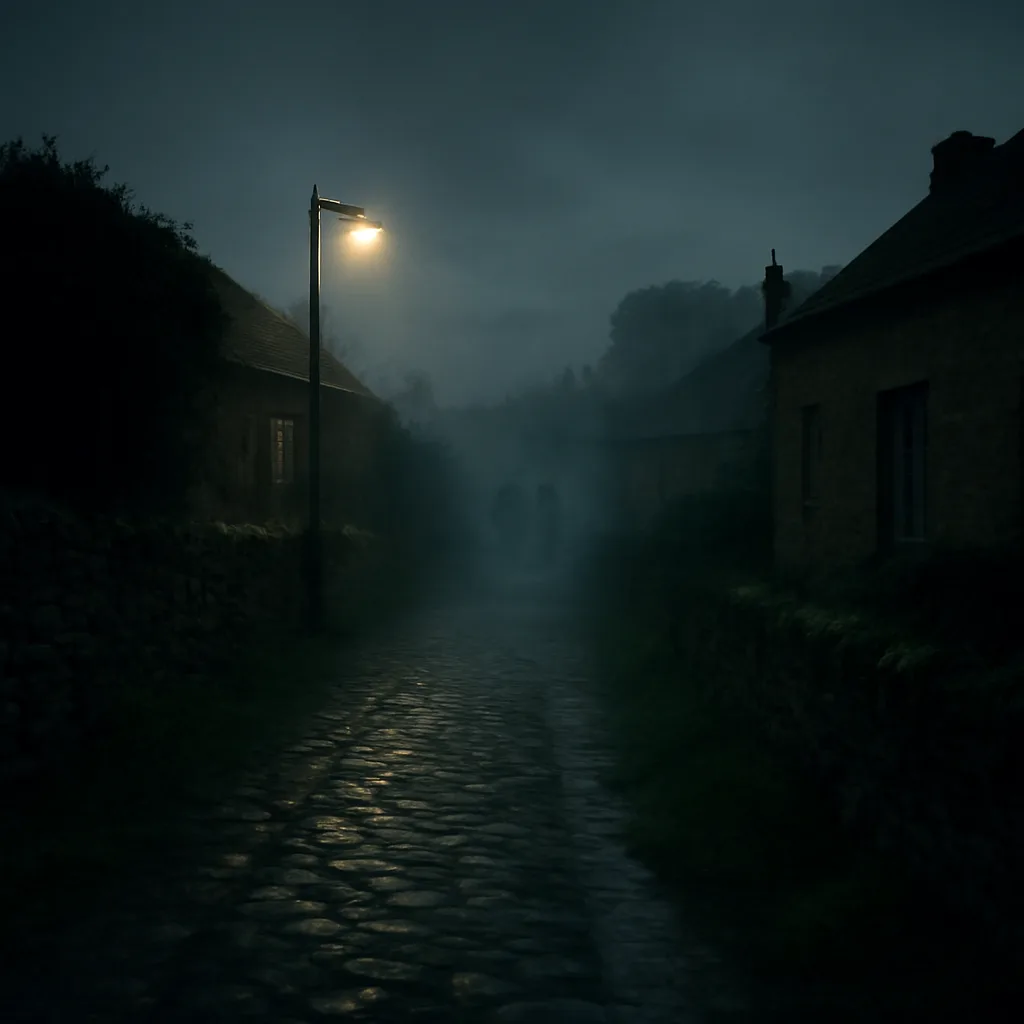
Narrow village lane at night with dim gaslight-style street lamp, hedgerows and silhouettes of houses under low cloud cover; no identifiable faces.

Residents of a small village say shadow-like figures have been seen moving along lanes at night since October 1, 1996; authorities investigated but offered no definitive explanation. Accounts vary and remain unverified.


On the night of October 1, 1996, several residents of a rural village began reporting brief sightings of dark, human-shaped figures moving along narrow streets and between houses after dusk. Accounts were consistent in describing indistinct silhouettes that appeared for only a few seconds before vanishing into alleys, hedgerows or mist. Reports continued over subsequent nights, prompting local curiosity and concern.

Local police and community leaders responded by visiting reported locations and speaking with witnesses. Officers noted multiple independent statements describing similar observations but found no physical evidence—no footprints, damaged property, or material traces—left at the scenes. Police records from the period indicate inquiries were logged and that no criminal activity was identified; the official explanation remained open, citing insufficient corroborating evidence.

Witnesses differed on details such as size, number and behavior of the figures. Some described figures passing silently along the road; others said the shapes seemed to pause at doorways or street corners. Several residents reported that animals appeared agitated on nights when figures were seen. Because most sightings occurred after dark in narrow lanes with limited street lighting, conditions for visual misperception were present.

Contemporary local press coverage treated the accounts cautiously, publishing witness statements alongside commentary from officials who urged calm. Journalists who visited the village described heightened local attention—residents kept watch at windows, and groups sometimes walked the streets together—but independent photographic or video evidence from the time remains absent or inconclusive in surviving records.

Possible explanations proposed at the time included optical misperception under low light, the play of shadows from passing vehicles or moving tree branches, deliberate hoaxes, or natural nocturnal movement of people or animals. Fog and mist, noted in meteorological logs for the region on several reporting nights, can exaggerate contrast and produce ill-defined silhouettes. Without physical traces or clear imagery, investigators could not confirm a definitive cause.

Over the following weeks and months the frequency of reports declined. Some long-term residents later said the episode was part of local folklore thereafter, referenced in conversation and occasional media lookbacks. Historians and folklorists who have examined such episodes emphasize how social factors—heightened attention, community conversations and selective memory—can amplify otherwise ordinary stimuli into seemingly extraordinary sightings.

Because primary sources from the period are limited and witness recollections vary, the incident remains an unresolved local report rather than a documented phenomenon. No confirmed evidence has emerged that the figures were anything other than misidentified people, animals or environmental effects. The village episode illustrates how ambiguous nighttime observations, community concern and limited documentation can produce persistent but unverifiable claims about shadowy figures.

Share this

Email Share on X Facebook Reddit

Did this surprise you?