
← Back
05/12/1894 • 7 views

May 12, 1894: A Paris Theatre and an Early Report of Mass Hypnosis
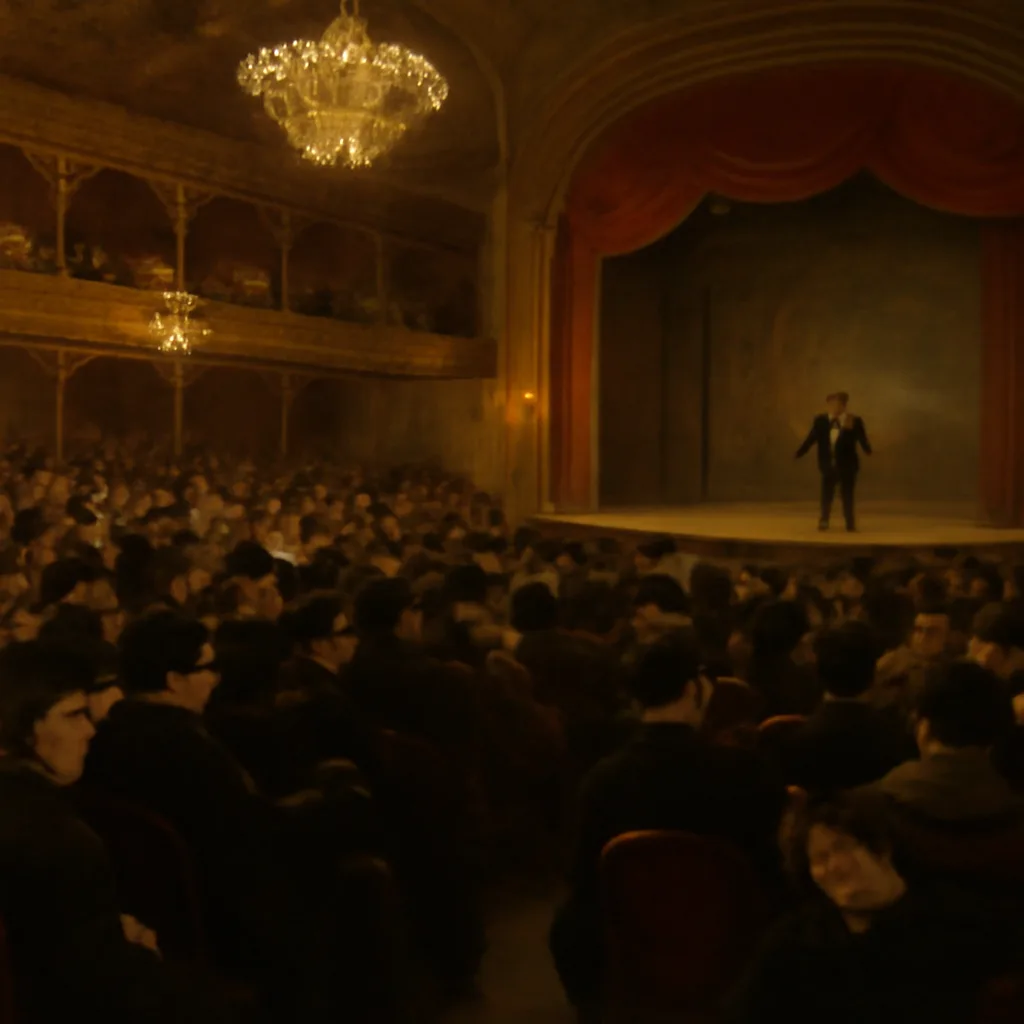
Late 19th-century theatre interior with crowded audience and a performer onstage; gas or early electric lighting, period dress, no identifiable faces.

On 12 May 1894 a widely reported incident at a Paris theatre — linked to stage hypnotist performances and crowd contagion — became one of the first documented cases described in contemporary press and medical commentary as mass hypnosis.


On 12 May 1894 an event in Paris attracted attention from newspapers, physicians and social commentators as an early documented instance of what was called "mass hypnosis." Contemporary accounts describe a packed theatre where the behavior of many audience members changed in response to a stage performer reputedly using hypnotic techniques. Reports of the episode circulated in French and international press and were debated by neurologists and psychiatrists who were then defining the limits of hypnotic suggestion and crowd psychology.

Context

The late 19th century saw growing scientific and popular interest in hypnotism. Figures such as Jean-Martin Charcot, Hippolyte Bernheim and others advanced competing theories about suggestion, hysteria and the nervous system. Public demonstrations of hypnotists on stage were common in Europe and drew large audiences. Medical professionals followed these public spectacles keenly, sometimes attending to test claims and sometimes using press reports as case material.

The incident

Multiple contemporary newspapers reported an episode on 12 May 1894 in which a stage performer — described in the press as a hypnotist or mesmerist — apparently induced a significant number of audience members to exhibit unusual, synchronized behavior. Accounts vary in detail: some emphasize transient fainting or trances among several attendees, others note laughter, weeping or imitative actions spreading through the crowd. Reporters and later commentators used the phrase "mass hypnosis" to characterize the phenomenon, reflecting both fascination and alarm about suggestion spreading beyond an individual subject.

Medical and public reactions

Physicians and emerging psychologists debated the incident. Some clinicians attributed the behavior to contagion, emotional arousal and suggestibility in a crowded setting rather than a literal transfer of hypnotic power from the stage to each individual. Others argued that theatrical hypnotism could, under particular conditions (darkened halls, intense focus on a performer, social pressure), produce temporary suggestive states in groups. The episode contributed to discussions about public performances' ethical and social implications, prompting calls in some quarters for greater oversight of hypnotists and for clearer distinctions between scientific therapeutic uses of suggestion and entertainment.

Limitations and uncertainty

Details about the Paris incident are drawn from contemporary press and medical commentary; systematic documentation by modern standards is lacking. Newspaper descriptions differ on the number of affected people and the precise behaviors observed. There is no surviving record that establishes unequivocally that everyone described as hypnotized entered a true clinical hypnotic state. Historians treat the 12 May 1894 episode as an early and influential example of how observers applied the concept of "mass hypnosis," while recognizing that alternative explanations — crowd contagion, theatrical suggestion, or exaggeration in reporting — remain plausible.

Significance

Whether or not the event constituted clinical hypnosis in the modern sense, the 12 May 1894 episode is important historically as an early documented case that spurred public and professional debate about suggestion, susceptibility and the social effects of stage psychology. It illustrates how scientific ideas about the mind circulated in popular culture and how medical communities responded to novel social phenomena during a formative period in neurology and psychology.

Share this

Email Share on X Facebook Reddit

Did this surprise you?