
← Back
08/16/1920 • 5 views

Ray Chapman: The Only MLB Player Killed After Being Hit by a Pitch
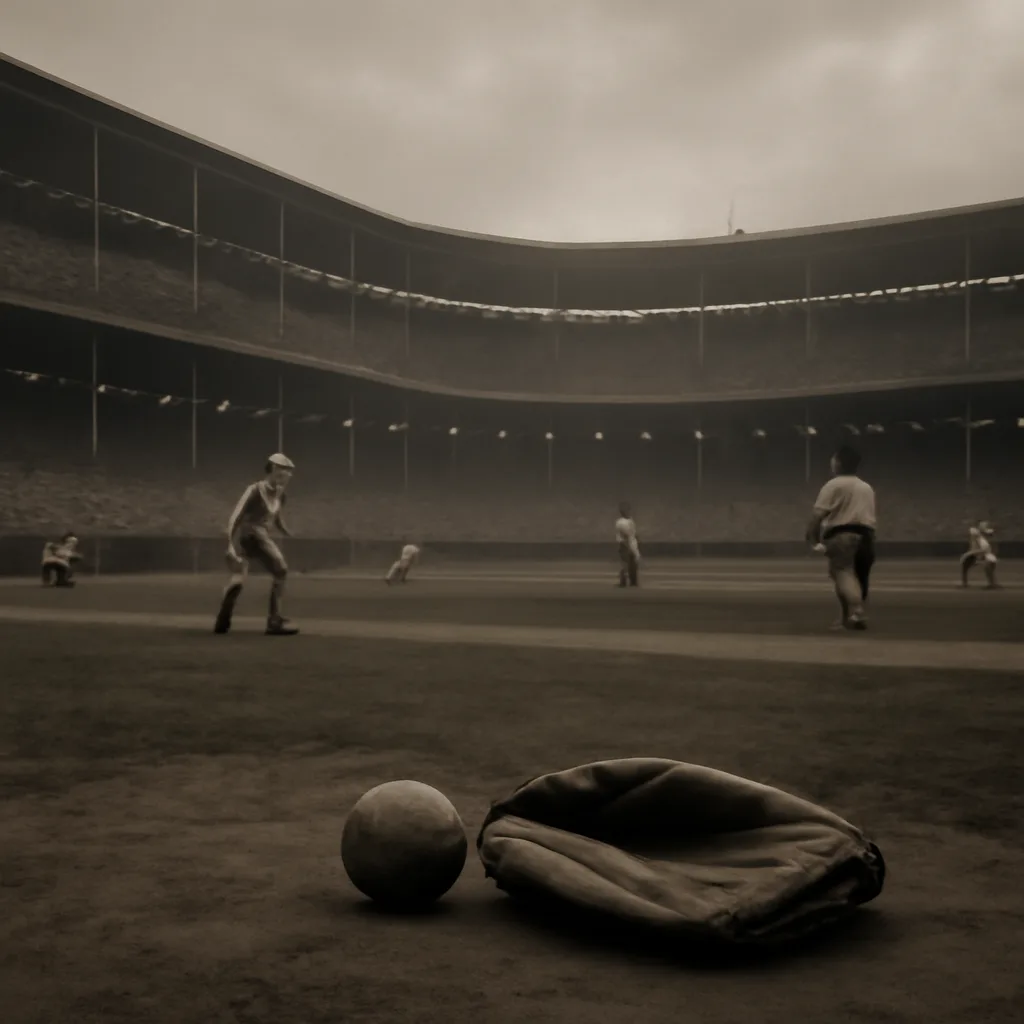
Early 20th-century baseball field at the Polo Grounds with players in period uniforms and a worn baseball on the grass, conveying the 1920s game setting.

On August 16, 1920, Cleveland Indians shortstop Ray Chapman was struck in the head by a pitch and died the following day, the only Major League Baseball player whose death is directly attributed to an on-field batted or thrown ball impact.


On August 16, 1920, Ray Chapman, shortstop for the Cleveland Indians, was hit in the head by a pitch thrown by New York Yankees pitcher Carl Mays at the Polo Grounds in New York City. Chapman was struck on a muggy late-afternoon game and collapsed immediately; he was carried to a hospital and died the next day, August 17, from a fractured skull and intracranial hemorrhage. Chapman’s death remains historically significant as the only fatality in Major League Baseball directly attributed to being hit by a pitched ball.

Chapman, 29, had been a regular player and a respected figure in the Indians’ lineup. Accounts from the period note that pitchers often scuffed and dirtied baseballs to make them harder to see and move unpredictably—practices combined with poor lighting late in games and leather gloves that offered far less protection than modern mitts. Contemporary reporting and later historical study identify the condition of the baseball and the frequent use of spitballs and scuffed balls as contributing factors in several dangerous plays of that era.

Carl Mays, a submarine-style pitcher, was known for his unusual delivery and for throwing inside. Whether Mays intended to hit Chapman has been a subject of dispute since the incident; many players and observers then and since denied that there was a deliberate intent to kill. Mays was not charged criminally, and Major League Baseball took no disciplinary action that resulted in suspension or banishment related solely to Chapman’s death.

Chapman’s death produced immediate and lasting changes in baseball. Teams and league officials accelerated efforts to keep cleaner, newer baseballs in play and to ban certain doctoring practices. The tragedy is widely seen as a catalyst for rule changes and equipment improvements, including stricter enforcement against altering the ball and, decades later, the eventual adoption of batting helmets as standard protective equipment. Helmets were not adopted immediately; it took several decades and additional injuries before helmets became mandatory in MLB.

The Indians, mourning Chapman, dedicated their 1920 season to his memory; they went on to win the World Series that year. Chapman’s death has been examined extensively by sports historians and journalists, and it remains a focal point in discussions about player safety, the evolution of equipment, and how the culture of the game responded to a preventable tragedy.

While Chapman is the only MLB player whose death is directly attributed to being struck by a pitch, other baseball fatalities have occurred under different circumstances—on the field from medical events or off the field in accidents. The exact role of intent, ball condition, lighting, and pitching style in Chapman’s death has been analyzed and debated, and some details about how the play unfolded vary among contemporary accounts. Nonetheless, the central facts—Chapman was hit by a pitch on August 16, 1920, and died from the resulting head injury—are well-documented in primary sources and later historical work.

Chapman’s death remains a somber reminder in baseball history of the risks players faced in an era before modern safety standards. It also illustrates how a single high-profile tragedy can precipitate long-term changes in policy and equipment aimed at protecting athletes.

Share this

Email Share on X Facebook Reddit

Did this surprise you?