
05/12/1931 • 7 views
Public Outcry Follows First Screening of a New Horror Film
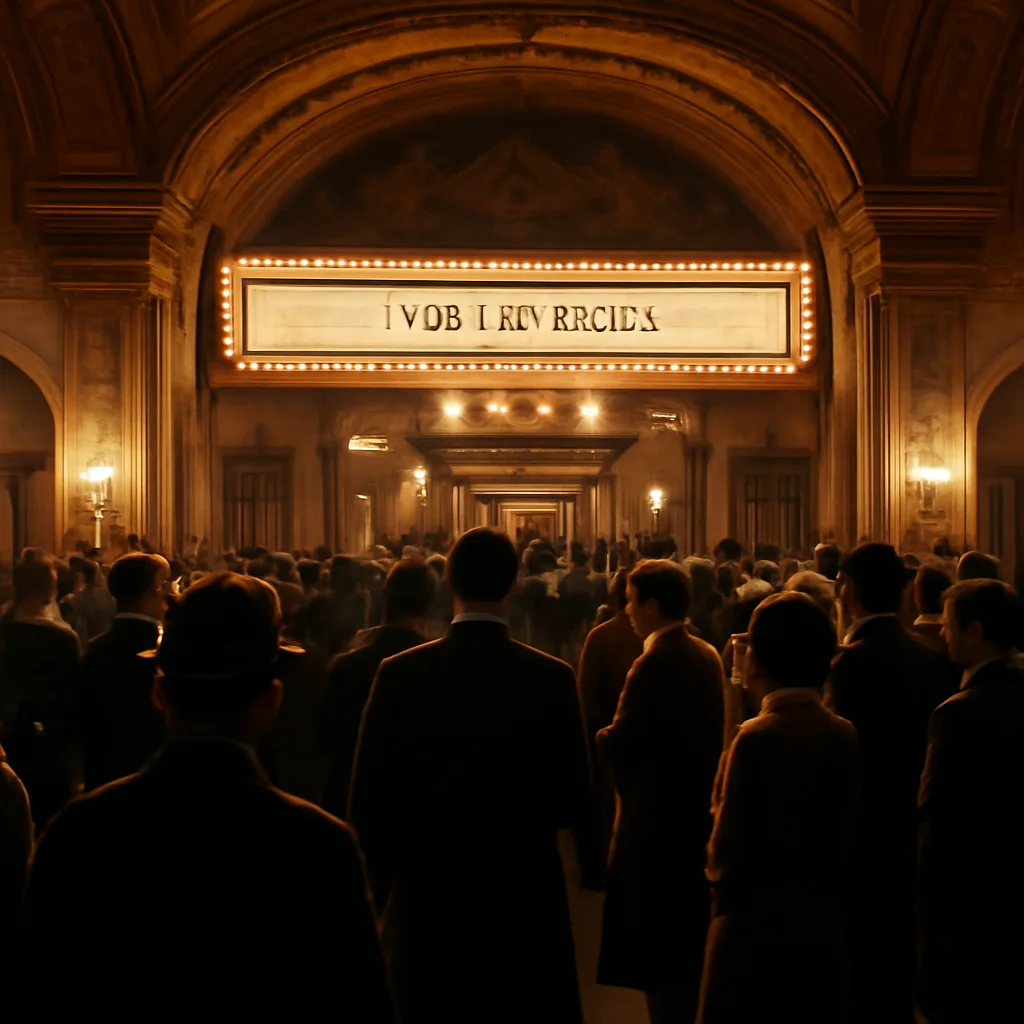
On May 12, 1931, the public screening of a recently released horror film drew intense controversy: reports from the day describe outraged audiences, calls for censorship, and vigorous debate about cinematic depictions of violence and the supernatural.
Reports from the period indicate that audience members at the May 12 showing reacted with alarm and, in some accounts, walked out or vocally protested during scenes perceived as grotesque or blasphemous. The outrage fueled calls from civic leaders and religious organizations for restrictions on film content, and local officials in several jurisdictions responded by reviewing the film for potential violations of community standards. These reactions were not unique to a single city; the early 1930s saw a number of occasions when horror and other genre films prompted complaints that could lead to bans, editing demands, or the invocation of state and municipal censorship boards.
The controversy around this screening must be understood against the emergence of the Production Code Administration and earlier voluntary self-regulation efforts. Prior to the stricter enforcement of the Motion Picture Production Code in 1934, studios often edited or withdrew films in response to local pressure. Public outcry in 1931 contributed to the sense among industry leaders that national standards were necessary to forestall disparate local interventions and to preserve the commercial viability of films that courted sensational subject matter.
Scholars of film history note that audience reactions to early horror films were shaped by several factors: the novelty of sound cinema, lingering effects of postwar social anxieties, and the visibility of organized moral reform groups. Media accounts from the time sometimes emphasized lurid details to sell papers, so historians caution that contemporary reportage can amplify the scale of unrest. Nonetheless, archival censorship records and studio correspondence corroborate that at least some screenings produced significant backlash, prompting edits or temporary removals from circulation.
The May 12 screening also illustrates how horror as a genre tested boundaries of acceptability in mainstream American culture. Filmmakers explored themes of bodily transgression, the supernatural, and physical dread that could unsettle audiences accustomed to more restrained melodrama or comedy. The resulting controversies shaped both creative choices and business strategies: producers weighed the drawing power of shock against the risk of losing markets, while exhibitors implemented voluntary warnings or altered programming to placate local sensibilities.
In the longer term, episodes of public outrage like the one on May 12, 1931, contributed to institutional changes in the film industry. By the mid-1930s, the Production Code would be enforced more strictly, curbing explicit portrayals of violence, sexuality, and certain supernatural themes in mainstream American cinema. Historians view that shift as a response to sustained pressure from civic groups, federal scrutiny, and the trade-offs studios accepted to maintain nationwide distribution.
While contemporary newspaper articles and censorship files document the immediate reactions to the May 12 screening, specific details—such as exact attendance figures, the full range of local official responses, and the subsequent fate of every print shown—vary across sources. Where accounts diverge, historians rely on surviving archive materials to reconstruct the contours of the controversy rather than a single definitive narrative. The event remains a representative case of how early horror films could ignite public debate and influence the evolving governance of American cinema.