
← Back
06/30/1908 • 4 views

The First Modern Electric Vacuum Cleaner Goes on Sale, June 30, 1908
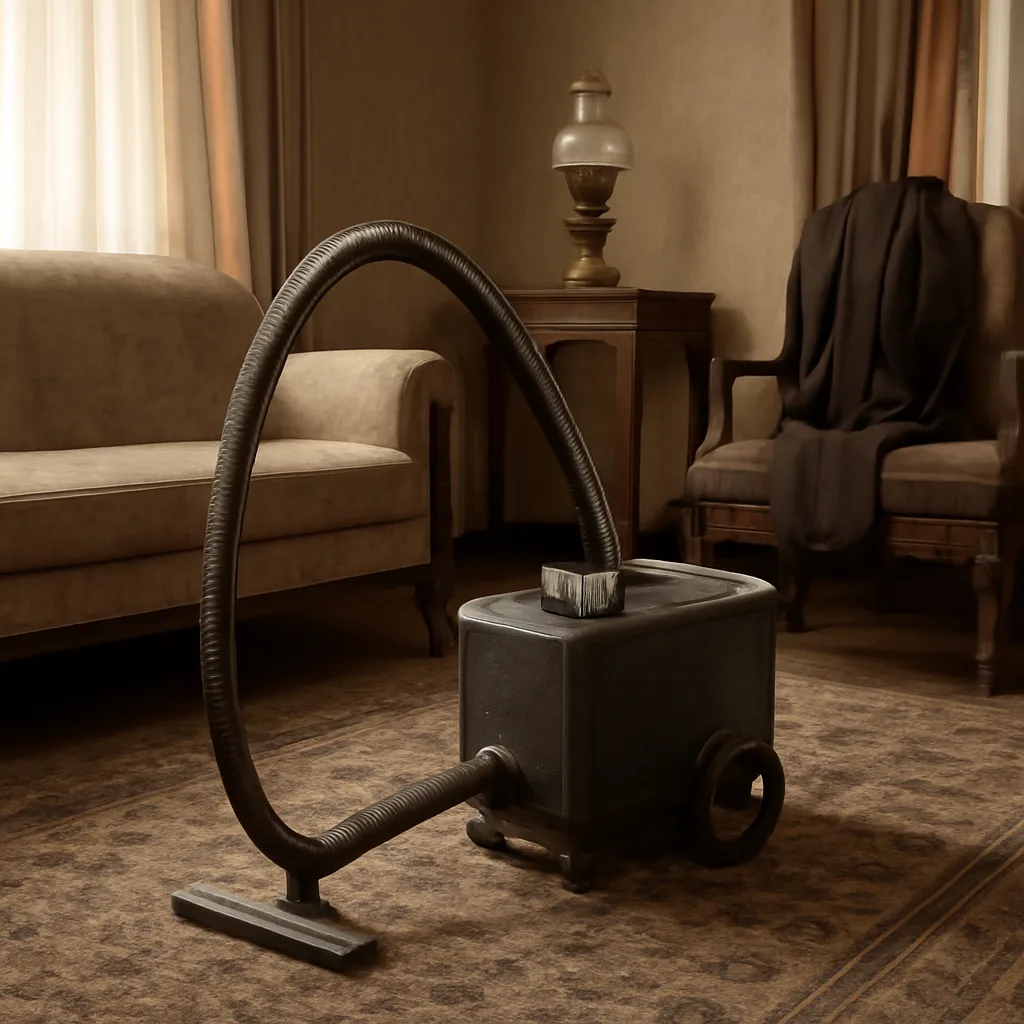
Early 20th-century electric vacuum cleaner displayed in a domestic parlor with hose and nozzle; furniture and clothing reflect circa 1908 styles.

On June 30, 1908, manufacturers began selling what is widely regarded as the first commercially successful modern electric vacuum cleaner, marking a shift from hand-operated and horsehair devices to electrically powered household cleaning machines.


By the early 20th century, domestic cleaning technologies were shifting from manual sweepers and pump-driven machines toward electric power. On June 30, 1908, a model that historians commonly identify as the first modern electric vacuum cleaner was offered commercially, reflecting advances in electric motors, lightweight materials, and household electrification.

Predecessors and context
Vacuum cleaning concepts predate the electric era. In the mid-19th century, manual carpet sweepers and patent devices using bellows or hand pumps attempted to remove dust. In the 1860s and 1870s, inventors produced large, cumbersome vacuum systems that were sometimes powered by external steam engines or manually operated. The first powered suction devices were often stationary machines that required long hoses run into rooms, and many early models were bulky, noisy, or impractical for everyday household use.

Technical advances
Two parallel developments made an electric household vacuum feasible: smaller, more reliable electric motors and the expanding availability of electric power in urban homes. By the 1900s, manufacturers could build compact motors that drove suction fans with enough efficiency to achieve useful cleaning without the extreme size and complexity of earlier systems. Improvements in materials and mass-production techniques also lowered costs and allowed designs that could be handled by a single household occupant.

The 1908 commercial offering
The machine sold on June 30, 1908, combined these improvements into a more practical, commercially marketed product. It featured an electrically driven motor powering a suction fan, a hose and nozzle for reaching floors and fabrics, and a wheeled or portable housing intended for domestic use. Contemporary advertising and trade publications presented these machines as time-saving household aids, emphasizing convenience compared with manual sweepers and older suction systems.

Reception and impact
Early electric vacuum cleaners were initially adopted by middle- and upper-class households in cities with reliable electric service. The machines were moderately expensive relative to wages of the period, but they quickly gained a reputation for improving hygiene and reducing labor. Their introduction contributed to a broader trend of household mechanization—alongside electric irons, washing machines, and stoves—that changed domestic work patterns in the decades that followed.

Limitations and subsequent development
Early electric vacuums still had drawbacks: some models were heavy, noisy, or required frequent maintenance. Filtration systems were primitive compared with later developments, and concerns about dust escape or motor reliability were common. Over the following decades, manufacturers refined suction, introduced disposable and washable dust bags, improved filtration, reduced weight, and created purpose-built attachments. By mid-20th century designs had become far more compact, affordable, and widespread.

Historical caution
Attributing the single “first” electric vacuum cleaner involves some ambiguity. Multiple inventors and firms developed powered suction devices in the late 19th and early 20th centuries, and definitions of “modern,” “electric,” and “commercially sold” can vary. The June 30, 1908 date marks the commercial sale of a machine widely regarded in many sources as an early exemplar of the modern electric household vacuum, but historians note that related earlier devices and competing claims exist.

Legacy
The 1908 commercial sale represents an important moment in domestic technology: it signaled the transition from manual and workshop-scale cleaning devices to electrically powered household appliances. The electric vacuum cleaner became a defining appliance of 20th-century homes and played a role in changing expectations about household labor, cleanliness, and the use of electricity in daily life.

Share this

Email Share on X Facebook Reddit

Did this surprise you?