
02/19/1959 • 6 views
Studying the First Successful Organ Transplant Rejection, 1959
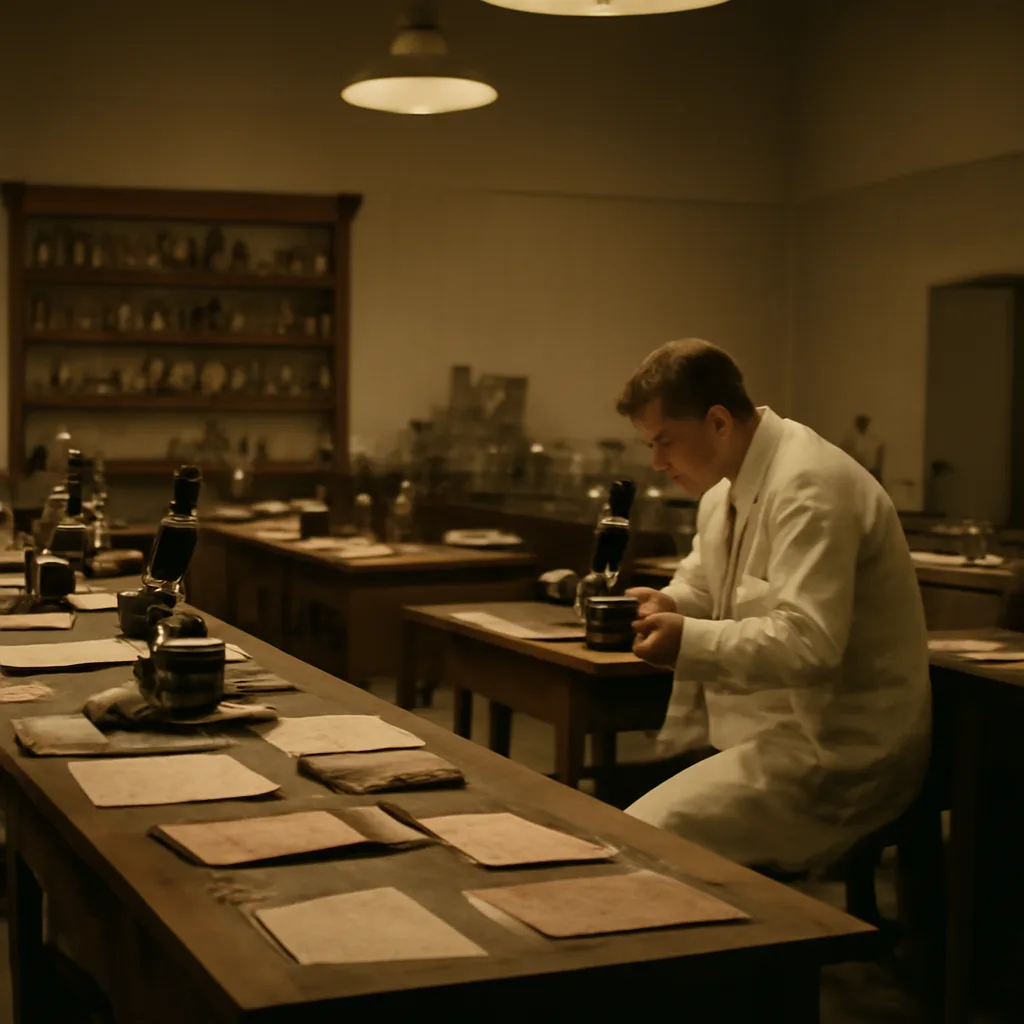
On February 19, 1959, researchers documented the first studied instance of organ transplant rejection, marking an early, pivotal step in understanding host immune responses to transplanted tissue.
Background
By the 1950s, advances in surgical technique, anesthesia, and supportive care made organ grafting technically feasible. However, many early grafts failed within days to weeks. Clinicians and pathologists increasingly noted a consistent pattern—local inflammation, vascular injury, and tissue necrosis—occurring in grafts that later failed. These patterns prompted systematic investigation into the biological mechanisms behind graft loss.
The 1959 study
The case studied on February 19, 1959, was documented with careful clinical notes, serial observations, and pathological examination of the rejected tissue. Investigators correlated the timing and clinical course—such as fever, graft tenderness, and declining organ function—with microscopic findings including inflammatory cell infiltration, endothelial damage, and parenchymal destruction. These findings mirrored and reinforced contemporaneous experimental work in animals showing that immune cells could recognize and attack genetically different graft tissue.
Significance
This clinical-pathological correlation strengthened the emerging consensus that transplant rejection was mediated by the recipient’s immune system. That recognition redirected research toward immunology: identifying immune cell types involved, uncovering mechanisms of antigen recognition, and testing ways to suppress or modulate the immune response. Over the following decades, these lines of inquiry led to the development of immunosuppressive drugs (notably azathioprine and later cyclosporine), tissue-typing methods, and protocols that transformed transplantation from experimental attempts into a routine therapeutic option for many patients.
Limitations and context
The 1959 case did not by itself solve how to prevent rejection; it was one important step among many. At the time, many details about cellular and molecular immune mechanisms remained unknown, and techniques for precise tissue matching and long-term immunosuppression were under development. Historical accounts of transplantation emphasize incremental progress: careful clinical observation like that of 1959 complemented animal experiments and laboratory immunology to build the field’s understanding.
Legacy
Recognizing rejection as an immune phenomenon laid the groundwork for modern transplant immunology and patient care. Subsequent decades saw improved survival rates for transplanted organs as antigen-matching, immunosuppressive regimens, infection prophylaxis, and monitoring methods improved. The 1959 study is remembered not as a single breakthrough cure but as a pivotal piece of evidence that guided the field toward its immunological framework, shaping research and clinical practices that continue to evolve today.