
05/15/1918 • 8 views
First Mass‑Produced Electric Refrigerator Goes on Sale, 1918
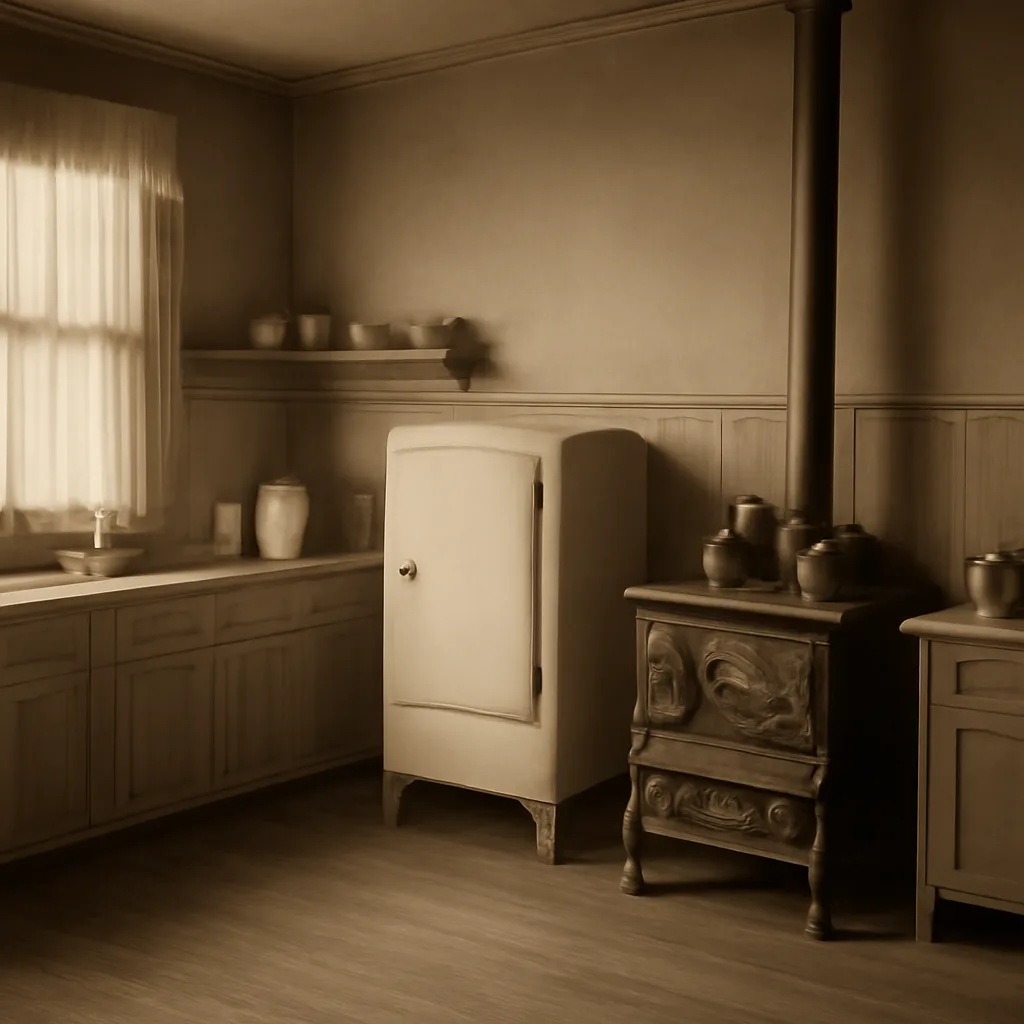
On May 15, 1918, an electric household refrigerator produced for mass markets was first sold, marking a major shift from iceboxes to mechanically cooled refrigeration in American homes.
Background
Before electric home refrigerators, most households stored perishables in iceboxes — insulated wooden cabinets cooled by large blocks of ice delivered by ice companies. Early mechanical refrigeration existed in industrial and laboratory settings from the mid‑19th century and electric refrigeration prototypes appeared in the late 19th and early 20th centuries, but their size, cost, unreliability, and need for skilled maintenance limited domestic adoption.
Technological and market developments
Key enabling advances included more reliable electric compressors, improvements in insulation materials, and safer refrigerants than early toxic or flammable agents. The spread of municipal electric power, especially in U.S. cities, created a consumer market able to support electrically powered appliances. Manufacturers who had built commercial refrigeration for food merchants and pharmacists adapted designs and scaled production for households, standardizing components and dealer networks to make purchases and service feasible.
Impact and adoption
The availability of factory‑built electric refrigerators for ordinary homes gradually changed food storage, meal planning, and food safety. Early household units remained expensive relative to many incomes and were initially adopted more rapidly by middle‑ and upper‑income urban families with reliable electric service. Over the following decades, prices fell, designs improved, and adoption expanded into broader segments of society, eventually making electric refrigeration a standard household appliance.
Limitations and context
The 1918 market introduction did not produce instantaneous nationwide replacement of iceboxes. Rural areas and regions without dependable electric service continued to rely on ice delivery for years. Moreover, early refrigerants and designs posed maintenance challenges and, in some cases, safety concerns; subsequent decades saw continual technical refinement and regulatory oversight.
Historical significance
The sale of mass‑produced electric refrigerators in 1918 marks a watershed in domestic technology: it symbolized the shift toward electrically powered household conveniences and set a path for later appliances that redefined daily life in the 20th century. While adoption was incremental, the 1918 move into consumer markets launched the commercial trajectory that made modern refrigeration ubiquitous.