
← Back
05/15/1968 • 8 views

First reported successful artificial blood transfusion tested
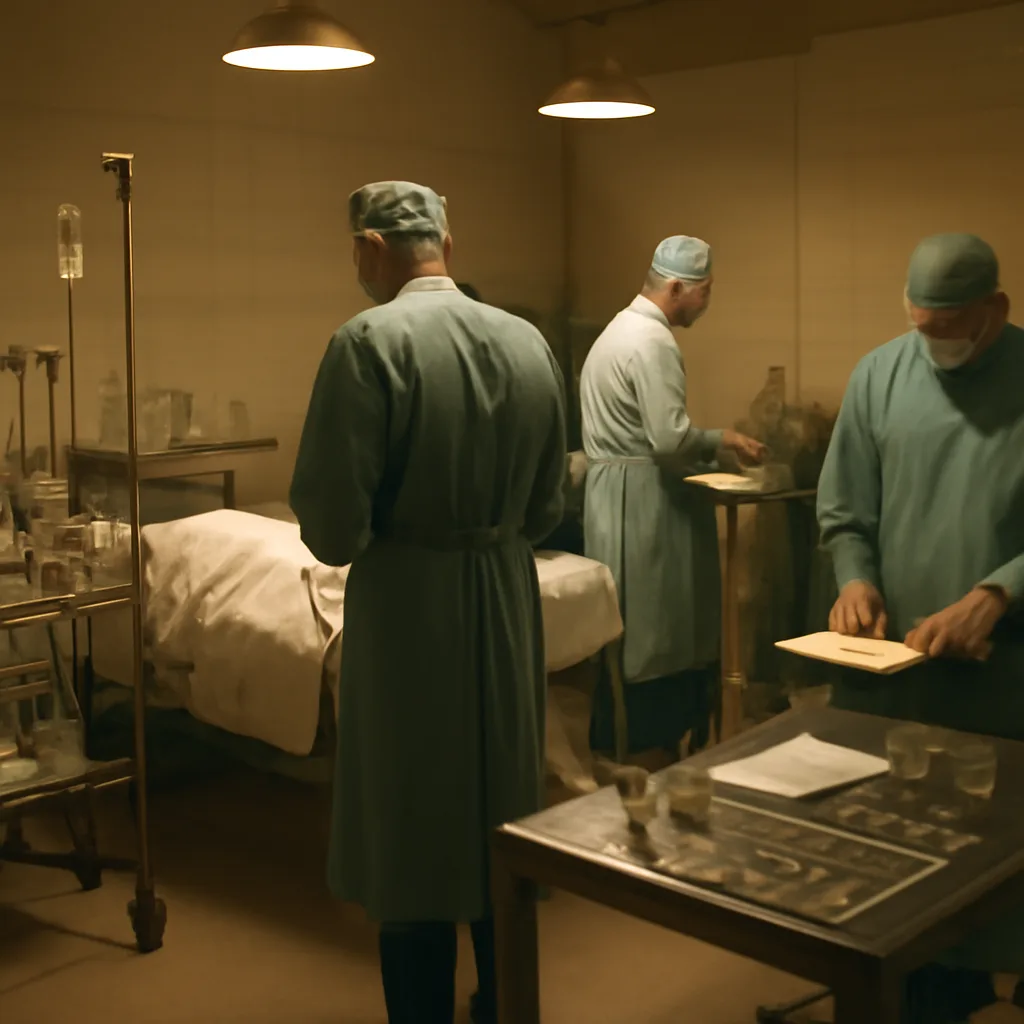
A 1960s clinical research setting showing lab equipment, glass bottles, infusion tubing and surgical instruments on a tray, with clinicians’ hands in sterile gloves (faces not visible).

On May 15, 1968, researchers reported the first successful trial of an artificial blood substitute in humans, marking a milestone in transfusion research as scientists sought alternatives to donated blood amid shortages and surgical need.


On May 15, 1968, medical teams published reports of what was described at the time as the first successful use of an artificial blood substitute in human trials. The work built on decades of research into hemoglobin-based oxygen carriers, perfluorocarbon emulsions and other blood-replacement concepts that aimed to provide oxygen delivery when donated human blood was unavailable or unsuitable.

Background
Research into blood substitutes dates to the early 20th century, accelerating after World War II as surgeons and military physicians sought ways to reduce reliance on stored human blood. Two main approaches emerged: chemically modified hemoglobin products derived from red blood cells, and synthetic oxygen-carrying emulsions such as perfluorocarbon compounds. By the 1960s, some of these products had progressed to limited clinical testing.

The 1968 reports
Contemporary medical literature from 1968 contains accounts of small human trials and emergency uses in which investigators reported that an artificial product succeeded in supporting patients’ oxygenation and circulation for brief periods. These early successes were provisional and measured: they demonstrated that certain oxygen-carrying formulations could temporarily sustain a patient’s physiological parameters during surgery or acute blood loss when transfusion of donor blood was not possible.

Limitations and context
The term “successful” in these early reports must be understood cautiously. Trials were small, often uncontrolled, and focused on short-term outcomes such as maintenance of blood pressure and arterial oxygen levels rather than long-term survival or functional recovery. Many early formulations produced side effects—cardiovascular responses, kidney stress, or immunologic reactions—that limited broader adoption. Subsequent decades of research revealed significant safety and efficacy challenges, prompting further refinement of blood-substitute chemistry and delivery methods.

Legacy
The 1968 testing of artificial blood products represented an important proof of concept: oxygen-carrying substitutes could function in human circulation for limited durations. That proof stimulated continued research through the late 20th and early 21st centuries. No single artificial product from that era became a permanent replacement for donor blood; instead, the field evolved with improved formulations, more rigorous clinical trials, and stricter regulatory scrutiny.

Today’s perspective
Modern blood-substitute research still draws on lessons from early trials like those in 1968. Clinical needs—trauma care in austere environments, shortages of compatible blood, and concerns about pathogen transmission—keep interest in safe, effective oxygen therapeutics high. However, regulatory agencies require large randomized trials demonstrating clear benefit and acceptable safety profiles before approving widespread clinical use, a threshold early products did not meet.

Notes on sources and interpretation
Accounts of the May 15, 1968 trials appear in contemporaneous medical journals and conference proceedings. Descriptions of “first successful” uses reflect how researchers and some publications characterized early human testing; historians of medicine caution that such characterizations are relative to the limited scope and short follow-up of early studies. Where details are uncertain or disputed, the cautious interpretation is that 1968 marked a notable early human test of artificial blood concepts rather than the definitive clinical introduction of a safe, widely adopted substitute.

Share this

Email Share on X Facebook Reddit

Did this surprise you?