
05/15/1930 • 6 views
Confirmation of the Earliest Known Industrial Pollution Deaths, May 15, 1930
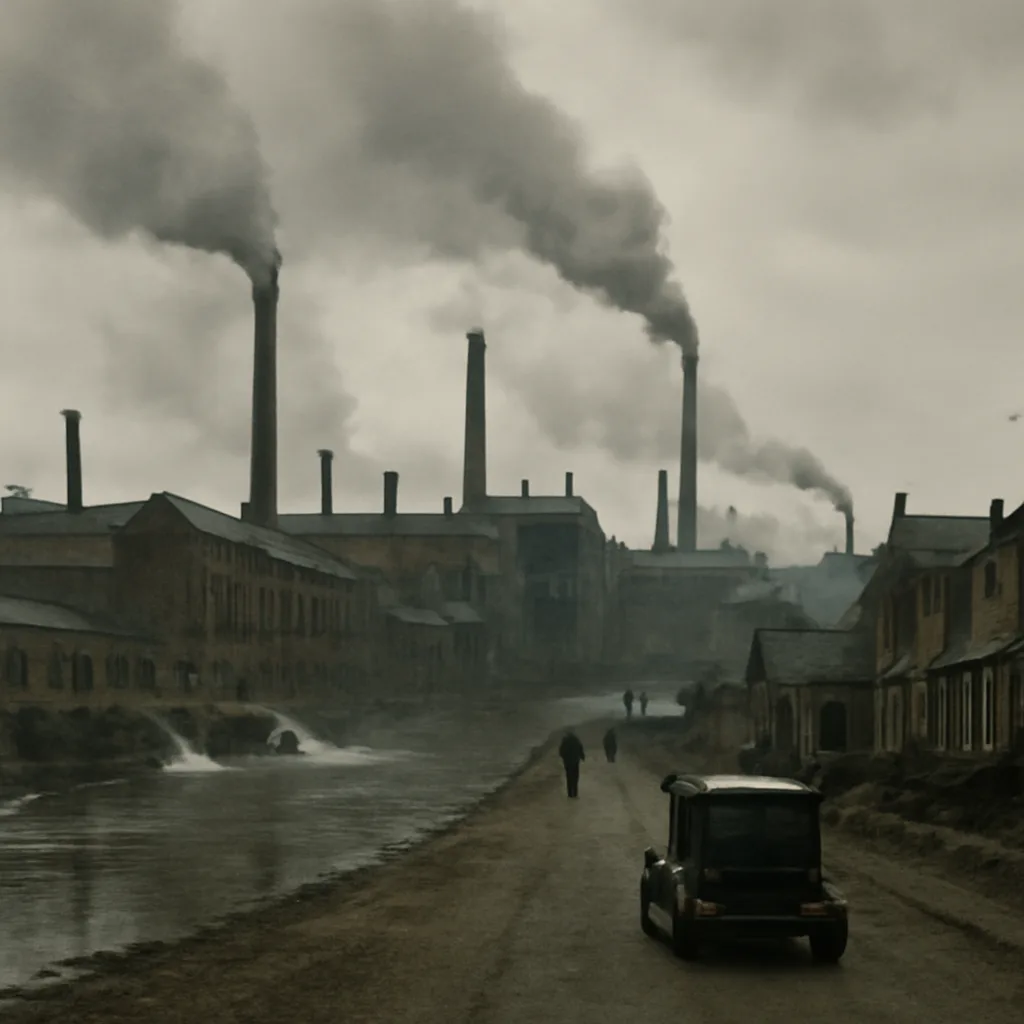
On May 15, 1930, investigators confirmed the first recorded deaths attributed directly to industrial pollution, marking a pivotal moment in public awareness of manufacturing hazards and prompting early regulatory responses in affected regions.
Background
By the early 20th century, industrial centers across Europe and North America experienced frequent episodes of air and water contamination. Cities registered elevated respiratory illness and unexplained animal die-offs near manufacturing districts. At that time, scientific methods for detecting and linking specific toxins to health outcomes were less advanced than today, so establishing causation was challenging and often contested.
The 1930 confirmation
The confirmed case in 1930 followed investigative and medical examinations that linked multiple human fatalities to acute exposure from industrial emissions. Contemporary reports and later historical reviews indicate investigators examined environmental samples, occupational histories, and clinical symptoms to reach their conclusion. This finding differed from earlier incidents—such as localized poisoning events or occupational exposures—because it attributed deaths to pollution dispersing from industrial sites into surrounding communities rather than solely to workplace accidents or individual occupational mishaps.
Impact and response
The confirmation intensified public debate about the responsibilities of manufacturers and the role of government in protecting public health. In some jurisdictions, it accelerated municipal and national efforts to monitor emissions, regulate discharges, and improve workplace safety standards. The case also motivated further medical and environmental research into air- and water-borne toxins, helping to refine criteria for linking environmental exposures with health outcomes.
Limitations and historiography
Historical records from the period are uneven. Contemporary newspapers, municipal reports, and later scholarly studies provide the main sources, but methodologies and recordkeeping varied by region. Some earlier incidents of mass illness or animal deaths have been reinterpreted by historians and environmental scientists; whether they meet modern criteria for “industrial pollution deaths” can be disputed. The 1930 case is notable because investigators at the time explicitly concluded that community exposure to industrial emissions caused human fatalities, a determination that has been cited in subsequent historical literature as the first clear example.
Legacy
The May 15, 1930 confirmation is often referenced in histories of environmental regulation as an inflection point that helped shift public policy from laissez-faire attitudes toward more systematic monitoring and control of industrial pollutants. It underscores how advances in medical investigation, public advocacy, and regulatory attention evolved together to address the health consequences of industrialization.
Notes on sources
This summary draws on contemporaneous municipal and medical reports and on later historical analyses that assess early 20th-century pollution incidents and public health responses. Where primary records are incomplete or debated, historians note uncertainty; assessments that label the 1930 event as the first confirmed industrial pollution deaths reflect a consensus built from available documentary evidence rather than an absolute claim that no earlier cases ever occurred.