
12/11/2001 • 6 views
India and Pakistan Test Nuclear-Capable Missiles Amid Rising Tensions
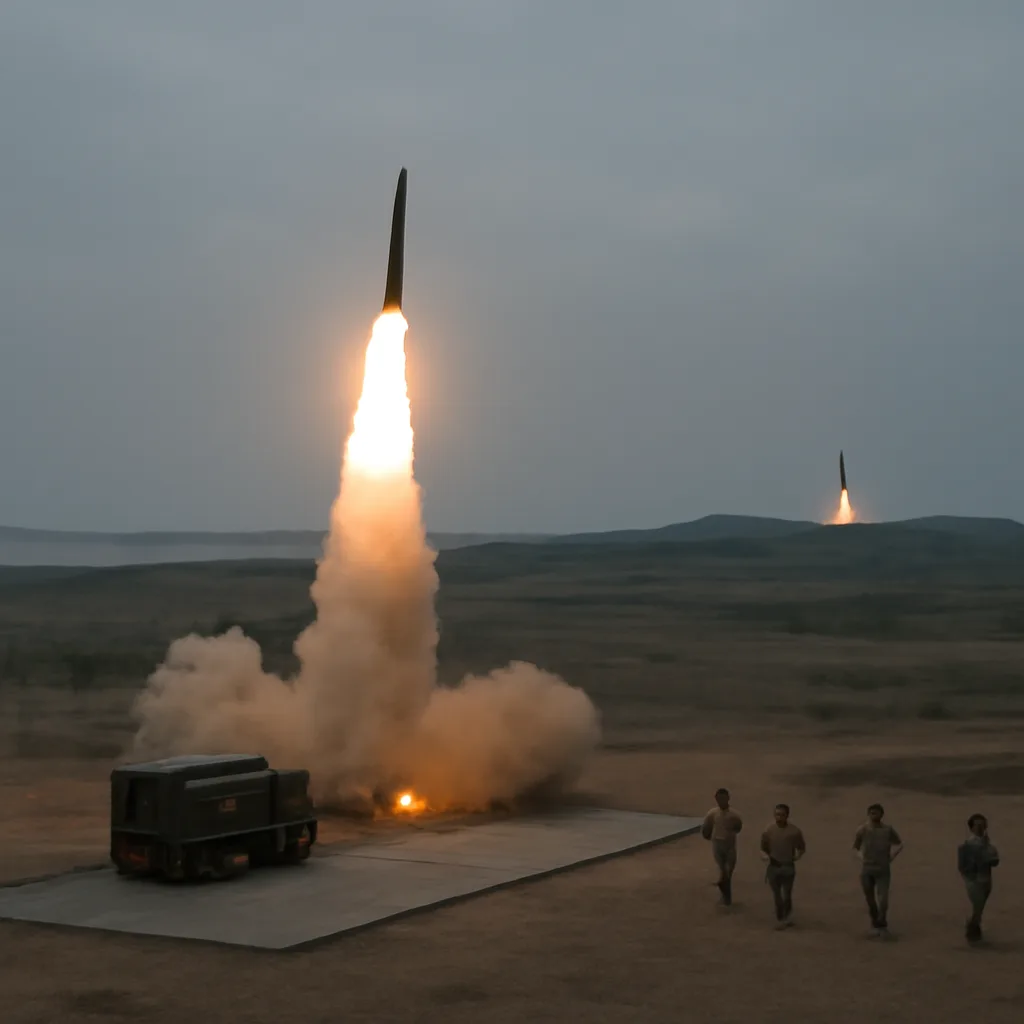
On December 11, 2001, both India and Pakistan conducted tests of missiles with reported nuclear delivery capability, heightening regional tensions and drawing international concern over South Asian arms dynamics.
Background
Following the 1998 nuclear tests by both countries, India and Pakistan undertook programs to develop ballistic and cruise missiles that could serve as nuclear delivery systems. The tests of December 2001 occurred against a backdrop of persistent bilateral tensions, including disputes over Kashmir and recent cross-border incidents. International observers and governments expressed concern that renewed weapons testing risked escalation and undermined regional stability.
The Tests
Reports at the time indicated that India tested a missile described by some sources as part of its ongoing developmental program for longer-range systems; Pakistan announced a separate missile trial, which officials characterized as a validation of their deterrent capability. Domestic statements emphasized technical objectives and the defensive rationale, while foreign governments urged restraint.
Domestic and International Reactions
Indian and Pakistani officials framed the tests as routine or defensive steps to assure the reliability of their arsenals. Opposition parties and some analysts in both countries noted the political and strategic signaling aspects of such demonstrations. International reactions included calls for calm from the United States, China, and regional actors, along with reminders of obligations under non-proliferation norms and the risks of an arms race on the subcontinent.
Strategic Implications
Missile tests by either side carried immediate tactical and longer-term strategic implications. In practical terms, tests help validate range, accuracy and reliability—key factors for any credible deterrent. Politically, tests function as signals to domestic audiences and external adversaries about military capability and resolve. Repeated testing risks normalizing the modernization of delivery systems and complicates confidence-building measures between the two states.
Arms Control Context
Neither India nor Pakistan were parties to the Nuclear Non-Proliferation Treaty (NPT) at that time, limiting the direct applicability of some international arms-control mechanisms. Bilateral confidence-building measures—such as hotlines, notifications of missile tests, and agreements on non-attack of nuclear facilities—had been discussed and partially implemented over the years, but mutual suspicion often undercut their effectiveness. International efforts focused more on crisis de-escalation and preventing proliferation to third parties.
Aftermath and Longer-Term Effects
In the months and years after December 2001, both countries continued to develop and test a range of missile systems. The cycle of tests and counter-tests contributed to a security dilemma in which defensive measures by one side were perceived as threats by the other. Periodic diplomatic initiatives and third-party mediation occasionally reduced acute tensions, but structural rivalry and unresolved territorial disputes maintained a persistent risk of escalation.
Uncertainties and Reporting Limits
Contemporaneous reporting sometimes differed on technical details—such as exact ranges, guidance systems, and whether a tested missile configuration was immediately deployable with a nuclear warhead. Official statements generally emphasized national security and technical validation; independent verification of specific capabilities was limited by classified programs and the scarcity of open-source technical data.
Conclusion
The missile tests of December 11, 2001, were symptomatic of the broader India–Pakistan rivalry: demonstrations of military capability that produced international concern while underscoring the challenges of arms control in a region with unresolved disputes and competing deterrence doctrines. The incident highlighted the need for sustained diplomacy and confidence-building measures to reduce the risk of miscalculation.