
← Back
04/09/1978 • 6 views

The 1978 ‘Copycat’ Panic: New York’s First Widely Noted Case of Imitative Crime Hysteria
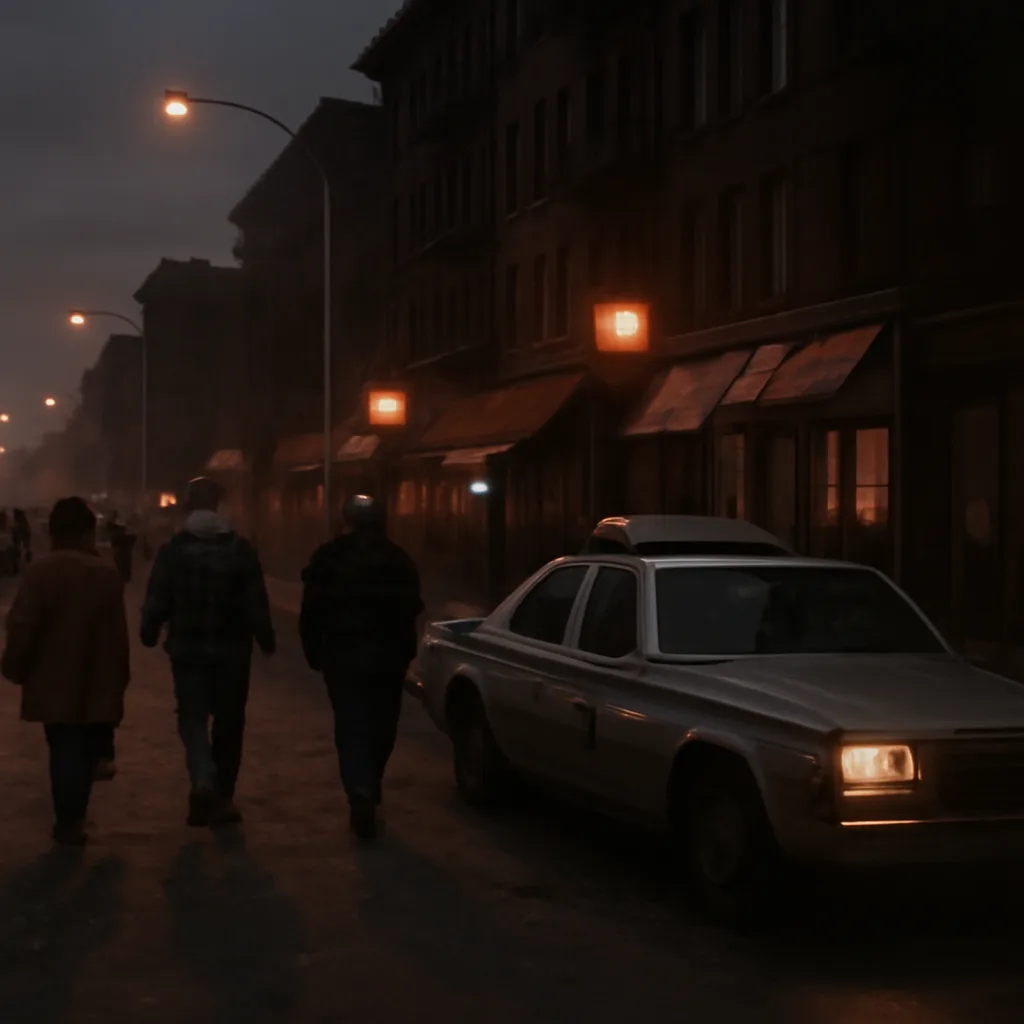
Late 1970s New York City street scene with police officers walking past yellowing storefronts and a patrol car, evening light, indicative of urban policing and public concern.

On April 9, 1978, a series of stabbings linked by media coverage and public fear in New York City produced one of the earliest widely noted modern episodes of copycat crime hysteria, as authorities and journalists debated whether press attention was fueling imitation.


On April 9, 1978, New York City experienced a spike in public alarm after a sequence of knife attacks and related arrests received intense local media coverage. While violent imitation—individuals responding to others’ crimes—predates modern mass media, this episode is often cited by contemporaries and later commentators as an early example of what would come to be described as “copycat crime hysteria,” in which publicity about criminal acts appears to provoke similar offenses and widespread social panic.

The events unfolded in a city already grappling with rising crime rates and strained police resources. Coverage in newspapers and on local television linked a small number of stabbings and attempted attacks that occurred in close temporal proximity. Reporters highlighted alleged similarities in method, timing and neighborhood locations, and city officials responded with public warnings and increased patrols. The incremental reporting loop—new incidents prompting headlines, which in turn drew attention and concern—helped create the impression of a coordinated trend rather than isolated incidents.

Law enforcement and journalists at the time debated whether the media’s emphasis on pattern and risk could be encouraging copycat behavior. Police spokespeople warned the public to be vigilant and described steps being taken to apprehend suspects; editors defended intensive coverage as serving the public interest. Academic studies and later reviews of the period note that the linkage of separate crimes into a single narrative can heighten fear, sometimes beyond what crime statistics alone would justify.

Historians and criminologists looking back identify several factors that made April 1978 notable. First, New York’s dense urban environment and interconnected neighborhoods made similarities between incidents more salient. Second, by the late 1970s local broadcast news and metropolitan newspapers had the reach to rapidly disseminate alarm across boroughs. Third, the political and social context—rising anxieties about urban crime, economic stress, and strained civic institutions—meant that small clusters of violence were more likely to be read as symptomatic of broader breakdown.

It is important to emphasize limits and uncertainties in retrospective accounts. The term “first known case of copycat crime hysteria” is disputable: imitation crimes and moral panics have long histories, and earlier well-documented episodes exist in other cities and eras. What is defensible about the April 9, 1978 episode is that it stands among the earliest well-recorded instances in the modern U.S. media era where contemporaneous reporting, police statements and civic reaction combined to produce a recognizable pattern of alleged imitation and public alarm in a major media market.

Scholars of media effects draw from this and similar cases to show how reporting choices—emphasis on extraordinary details, repeated images, and narrative linkage—can amplify perceived risk. Subsequent research recommends cautious language from officials and media, contextual crime data, and avoidance of sensational details that might inspire imitation. Those lessons influenced reporting guidelines and police communications in later decades.

In sum, the April 9, 1978 events in New York exemplify a turning point in public awareness of how media attention and civic fear can interact with criminal behavior. They did not inaugurate imitation crime in human history, but they mark an early, well-documented moment in which the dynamics of modern mass media, urban insecurity and official response combined to produce a distinct episode of copycat crime hysteria.

Share this

Email Share on X Facebook Reddit

Did this surprise you?