
04/09/2002 • 6 views
Cyclist Survives Lightning Strike During April Ride
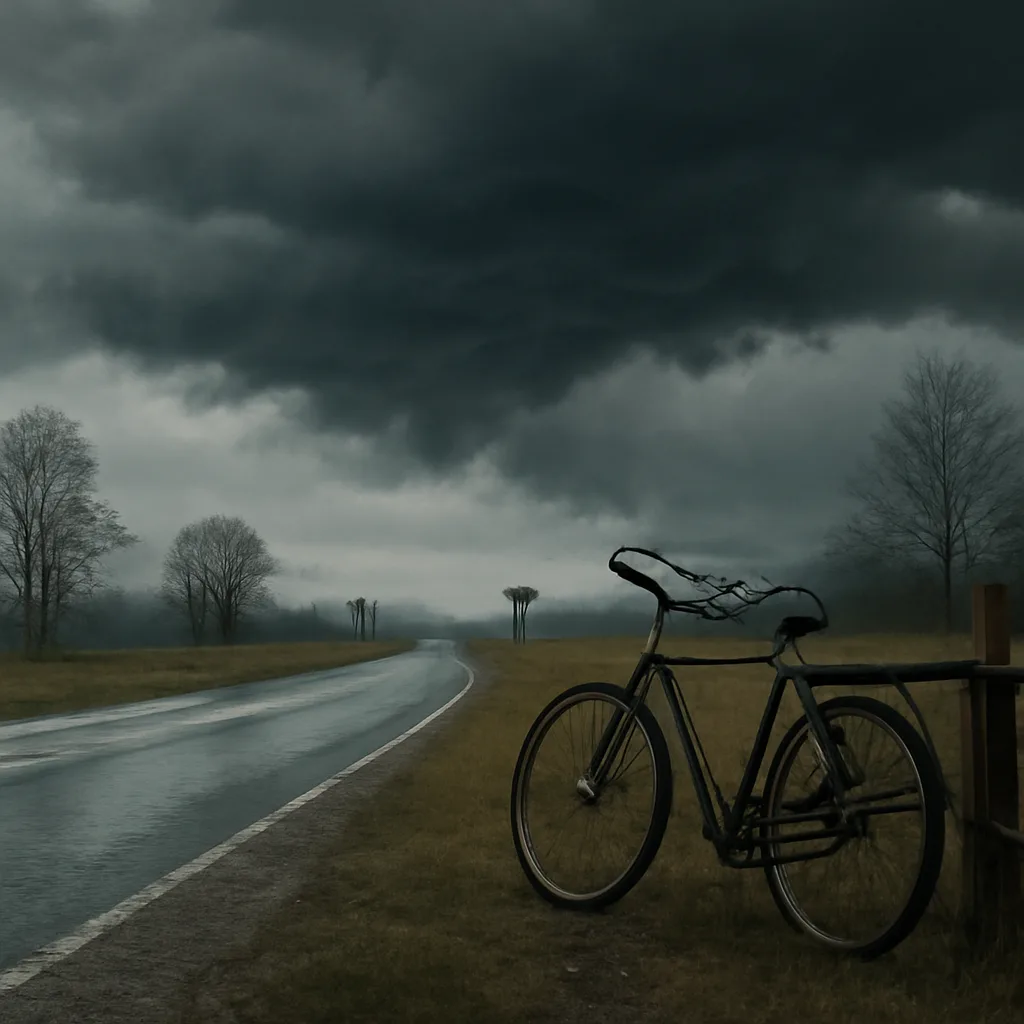
On April 9, 2002, a cyclist was struck by lightning while riding a bicycle and survived. The incident drew attention to the unpredictable dangers of lightning for people outdoors and the resilience of those who experience direct strikes.
Lightning delivers an immense, brief electrical discharge—often tens of millions of volts and many thousands of amperes—over a fraction of a second. The actual effects on a human depend on factors including whether the strike is direct, a side flash (where current jumps from a nearby object), or a ground current (where current travels through the ground and into the body). A cyclist struck while on an exposed bicycle may be affected through contact with the metal frame, but the exact wound pattern varies widely.
Survivors commonly report being knocked off their feet, temporary loss of consciousness, burns at entry and exit points, and confusion or memory loss afterward. Immediate medical concerns include cardiac arrest, respiratory failure, severe burns, and trauma from a fall. Long-term effects can include chronic pain, neurological symptoms such as headaches or cognitive difficulties, and psychological impacts including post-traumatic stress.
Emergency responders emphasize the importance of rapid medical evaluation after any suspected lightning strike. Even if a person appears conscious and alert, internal injuries or cardiac arrhythmias can be life-threatening. Standard first aid priorities are to ensure the scene is safe from continuing lightning risk and to begin cardiopulmonary resuscitation (CPR) if the victim is unresponsive and not breathing. Emergency services should be contacted immediately.
From a safety perspective, cyclists and other outdoor participants are advised to monitor weather forecasts and seek enclosed shelter well before storms arrive. A fully enclosed building with wiring and plumbing is the safest option; a hard-topped metal vehicle with the windows closed is a secondary choice. If caught outside with no shelter, the guidance is to avoid open fields, hilltops, isolated trees, metal objects, and water; minimize contact with the ground by adopting a low, crouched position with feet together only as a last resort. Importantly, bicycles and other metal equipment can increase risk by providing conductive paths for lightning.
Historical and medical literature includes documented cases of people struck while riding bicycles, motorbikes, or horses. These accounts collectively show wide variation in outcomes and underscore lightning’s unpredictability. Researchers and safety agencies continue to study lightning injuries to improve prevention messaging and medical treatment protocols.
The April 9, 2002 incident serves as a reminder of both the danger posed by thunderstorms and the fact that survival is possible, often contingent on immediate medical care and the specifics of how the strike occurred. Accurate reporting and adherence to established lightning-safety guidance remain the best ways to reduce risk for cyclists and others who spend time outdoors.