
06/27/1912 • 5 views
1902 Cambridge Hoax: the first documented staged scientific fraud exposed
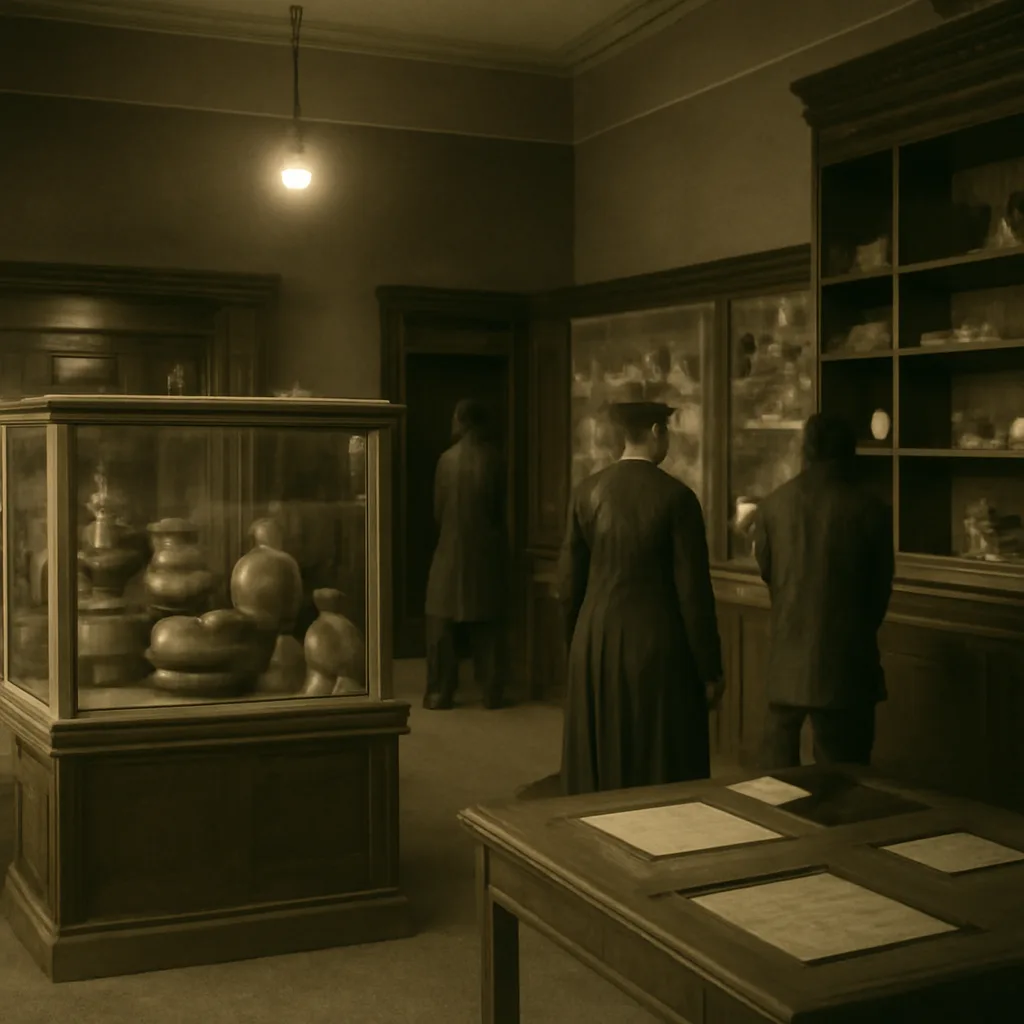
On June 27, 1912, the Cambridge hoax involving fabricated archaeological evidence—staged in 1902 by museum staff and students—was publicly exposed, revealing one of the earliest documented cases of deliberate scientific fakery in Britain.
Background
During the late 19th and early 20th centuries, British museums and universities were important centers for the study of antiquities and natural history. Collecting and classifying artifacts and specimens were integral to academic reputations and public exhibitions. In this competitive and status-conscious environment, the integrity of provenance and documentation was critical but not uniformly verified by modern standards.
The Hoax and Its Exposure
The hoax originated around 1902 when certain items—purported archaeological finds—were introduced into museum displays and academic discussion at Cambridge. These items were later revealed to have been deliberately staged or planted by individuals associated with the museum and some students. The motivations combined a mix of practical jokes, attempts to bolster the museum’s holdings, and a desire for notoriety within scholarly circles.
On June 27, 1912, newspapers and academic correspondences reported that examinations had shown these items to be forgeries or had been placed in contexts that misrepresented their provenance. The exposure involved analyses of material, inconsistencies in how the objects had entered collections, and admissions or testimony from those involved. The revelation punctured confidence in the affected exhibits and prompted scrutiny of collecting and documentation practices.
Aftermath and Significance
The incident had several consequences. Institutionally, it led to closer attention to provenance, record-keeping, and verification practices within museums and academic departments. Publicly, it contributed to a broader awareness that not all celebrated discoveries were authentic and that opportunistic fabrication could occur within learned communities.
Historically, the Cambridge case is often cited as one of the earliest well-documented instances of staged scientific fraud in Britain. It predates later, more widely known scientific hoaxes and deliberate falsifications of data in the 20th century, and thus helps trace how the scientific and museum communities gradually developed more rigorous standards for authentication.
Limitations and Sources
Details about the specific objects, the full roster of individuals involved, and every aspect of motive and method are unevenly recorded in surviving accounts. Contemporary newspaper reports and institutional records from the period form the basis for the timeline and core facts, but some specifics remain sparse or disputed in secondary retellings. The June 27, 1912 date refers to when exposure became public, though the initial staging occurred approximately a decade earlier.
Legacy
While not as famous as later scientific frauds that involved falsified experimental data, the staged Cambridge artifacts episode remains significant for historians of science and museums. It illustrates early vulnerabilities in collecting practices, underscores the importance of provenance, and stands as an early documented warning that scientific and curatorial authority can be misused. The episode contributed, incrementally, to evolving standards that modern institutions use to authenticate and document finds.