
← Back
10/27/2005 • 5 views

Nationwide unrest erupts in France after police shooting
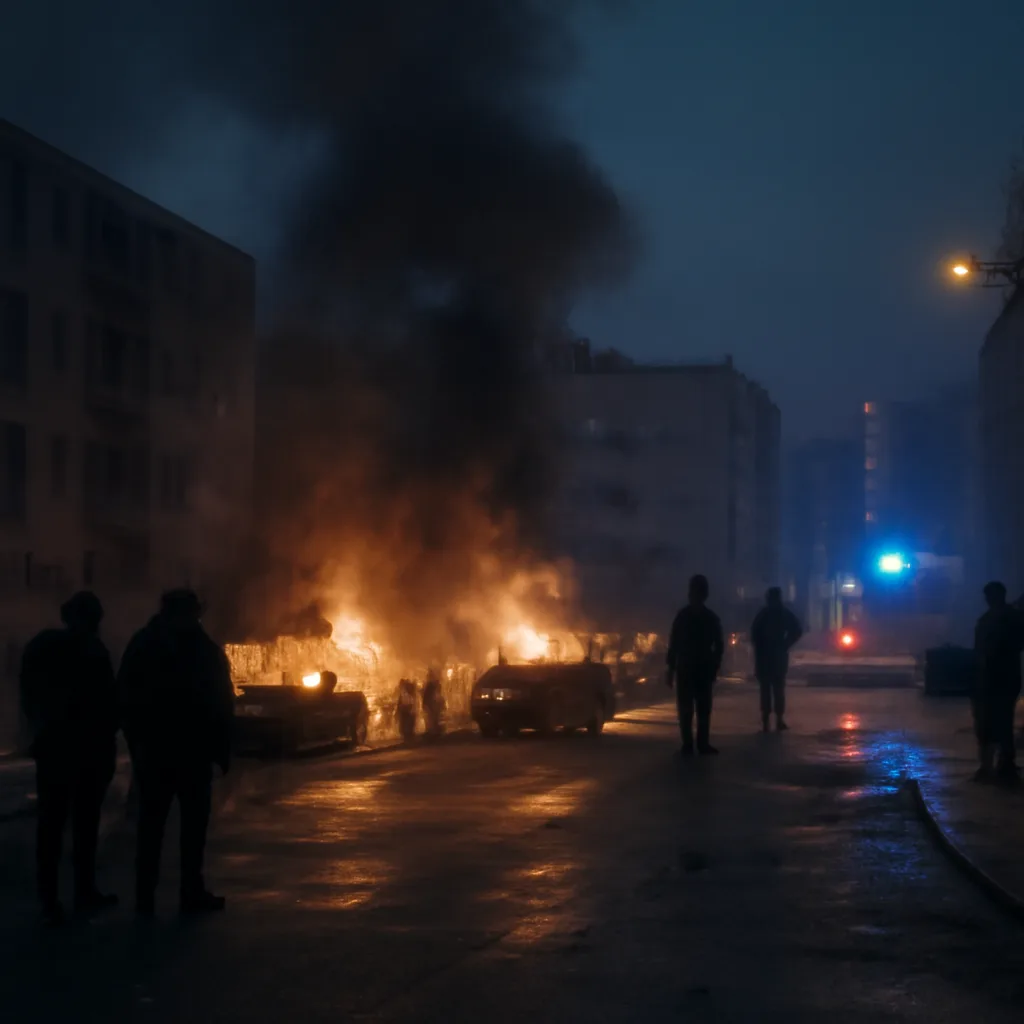
Nighttime scene of a French suburban street with smoke from burning vehicles and police vehicles present; buildings and parked cars damaged, firefighters working in the distance.

A police shooting on October 27, 2005, ignited widespread riots across France as protests over policing and social exclusion spread from Paris suburbs to cities nationwide, resulting in extensive property damage and a heavy security response.


On October 27, 2005, a police shooting in Clichy-sous-Bois, a northeastern suburb of Paris, triggered unrest that rapidly spread across France. What began as local protests over the circumstances of the shooting and longstanding grievances in marginalized neighborhoods escalated into nights of widespread rioting, arson, and clashes with security forces in dozens of cities.

Background

Tensions in many French banlieues—suburban housing estates with large immigrant and low-income populations—had been building for years over perceived discrimination, unemployment, poor housing, and aggressive policing tactics. The immediate catalyst was the fatal shooting by police officers of a young man in late October; details of the incident were disputed and investigative processes and police conduct became focal points for public anger.

Spread and scale

Within days, the unrest moved beyond Clichy-sous-Bois to other Paris suburbs and provincial cities, including Lyon, Marseille, and Toulouse. Youths and other participants targeted vehicles, public buildings, schools, and police stations with fires and vandalism. Authorities reported thousands of incidents of arson and widespread destruction of property, including dozens of burned cars nightly at the peak of the disturbances.

Government response

The French government deployed significant police and gendarmerie reinforcements, imposed curfews in some municipalities, and emphasized law-and-order measures to restore public order. Political leaders condemned the violence while also acknowledging the need to address social problems in marginalized neighborhoods. Emergency responses focused on extinguishing fires, protecting critical infrastructure, and making arrests in connection with public disorder.

Social and political impact

The riots prompted a national debate about policing practices, integration, economic marginalization, and France’s approach to urban policy. Commentators and officials disagreed over causes and remedies: some emphasized criminality and the need for tougher policing, while others pointed to structural inequalities and discrimination that fostered alienation among young people in the suburbs.

Legal and investigative follow-up

Investigations into the shooting and related allegations of police misconduct were pursued by judicial authorities. These inquiries, together with parliamentary and municipal reviews of urban policy and policing, generated ongoing discussion but did not produce quick, universally accepted solutions. The exact circumstances of the initial shooting and the sequence of events remained contested in public discourse.

Aftermath

In the weeks following the peak of the riots, the intensity of the unrest declined as security measures took effect and many communities sought to restore normalcy. Long-term consequences included renewed attention to urban policy, some policy initiatives aimed at social inclusion and policing reforms, and a lasting imprint on public debates about integration and inequality in France. The events of late October 2005 remain a reference point in discussions about state-society relations, policing, and urban exclusion.

Accuracy note

This summary is based on widely reported events surrounding the October 2005 disturbances in France. Specific details about the initial shooting and some incidents during the riots were disputed and subject to ongoing legal and journalistic investigation at the time.

Share this

Email Share on X Facebook Reddit

Did this surprise you?