
07/16/1973 • 5 views
White House tapes revealed in landmark Watergate hearing
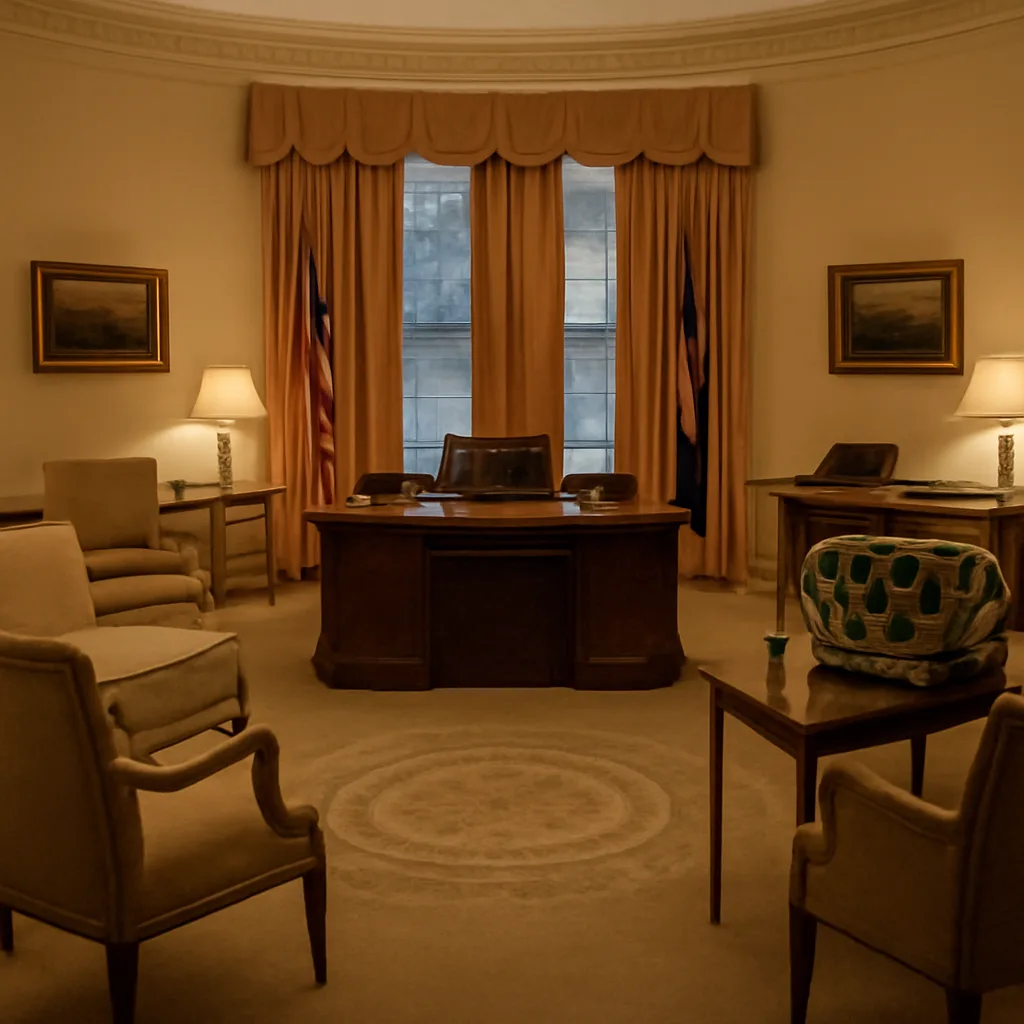
In a dramatic turn during Senate testimony, the existence of White House audio recordings was disclosed on July 16, 1973, intensifying the Watergate investigation and raising constitutional questions about executive privilege and presidential accountability.
Background: The Watergate matter began with the June 1972 break-in at Democratic National Committee headquarters in the Watergate office complex and the subsequent efforts by Nixon allies to obstruct the investigation. By mid-1973, the Senate Select Committee on Presidential Campaign Activities was conducting televised hearings, subpoenaing administration officials and seeking documentary evidence related to campaign activities, intelligence operations, and possible abuses of power.
Butterfield’s disclosure: During closed-door preparation for public testimony, Butterfield was asked about the existence of any recording systems. In his public testimony on July 16, he confirmed that conversations in the Oval Office, the Cabinet Room and certain other offices were being recorded automatically. He described a system of microphones and a central tape recorder that captured meetings and telephone calls. The specificity of his description—locations, mechanisms and operational details—led investigators and the public to regard the claim as credible and potentially consequential.
Immediate consequences: The committee and Nixon’s legal team quickly focused on the potential evidentiary value of such recordings. If tapes existed that covered key meetings discussing the Watergate break-in or subsequent efforts to impede the investigation, they could provide direct, contemporaneous evidence of who knew what and when. The White House initially acknowledged the existence of a recording system but resisted turning over tapes, citing executive privilege and confidentiality of presidential communications.
Legal and political fallout: Butterfield’s revelation set off a legal and constitutional struggle over access to presidential records. The Senate committee issued subpoenas seeking tapes and transcripts. The White House disputed the scope of the subpoenas and attempted to limit disclosure, arguing that recordings of presidential conversations were protected by executive privilege. This clash would result in protracted litigation, public debate and a series of negotiations and court rulings about separation of powers, the rule of law, and the limits of executive secrecy.
Broader impact: Public reaction to the disclosure was intense. The possibility that detailed, contemporaneous recordings existed heightened scrutiny of the Nixon presidency and increased demands for transparency. Media coverage amplified the political stakes and kept the issue at the center of public attention. For investigators and prosecutors, the tapes represented an opportunity to resolve contested accounts and to corroborate or refute testimony from administration officials.
Historical significance: The tapes ultimately proved pivotal in the unfolding of the Watergate scandal. Subsequent legal battles culminated in a landmark U.S. Supreme Court decision in United States v. Nixon (1974), which rejected an absolute claim of executive privilege and ordered the president to produce subpoenaed materials. The release of certain tapes provided crucial evidence that contributed to the House Judiciary Committee’s adoption of articles of impeachment and to Nixon’s resignation in August 1974. Butterfield’s July 16, 1973 testimony is therefore widely seen by historians as a turning point that transformed investigative possibilities and constitutional questions surrounding the presidency.
Limitations and caution: While Butterfield’s disclosure established the existence of a recording system, the exact contents and relevance of any individual tapes were matters for subsequent legal process and review. Not every recording proved directly linked to criminal activity; the significance of specific tapes depended on their dates, participants and subject matter. Nevertheless, the revelation fundamentally altered the dynamics of the Watergate investigation and reshaped public and legal expectations about executive transparency.
The July 16 disclosure remains a defining moment in American political history: it introduced material evidence—recorded presidential communications—into a major criminal and constitutional investigation, setting precedents for later debates about executive privilege, oversight, and the balance between secrecy and accountability.