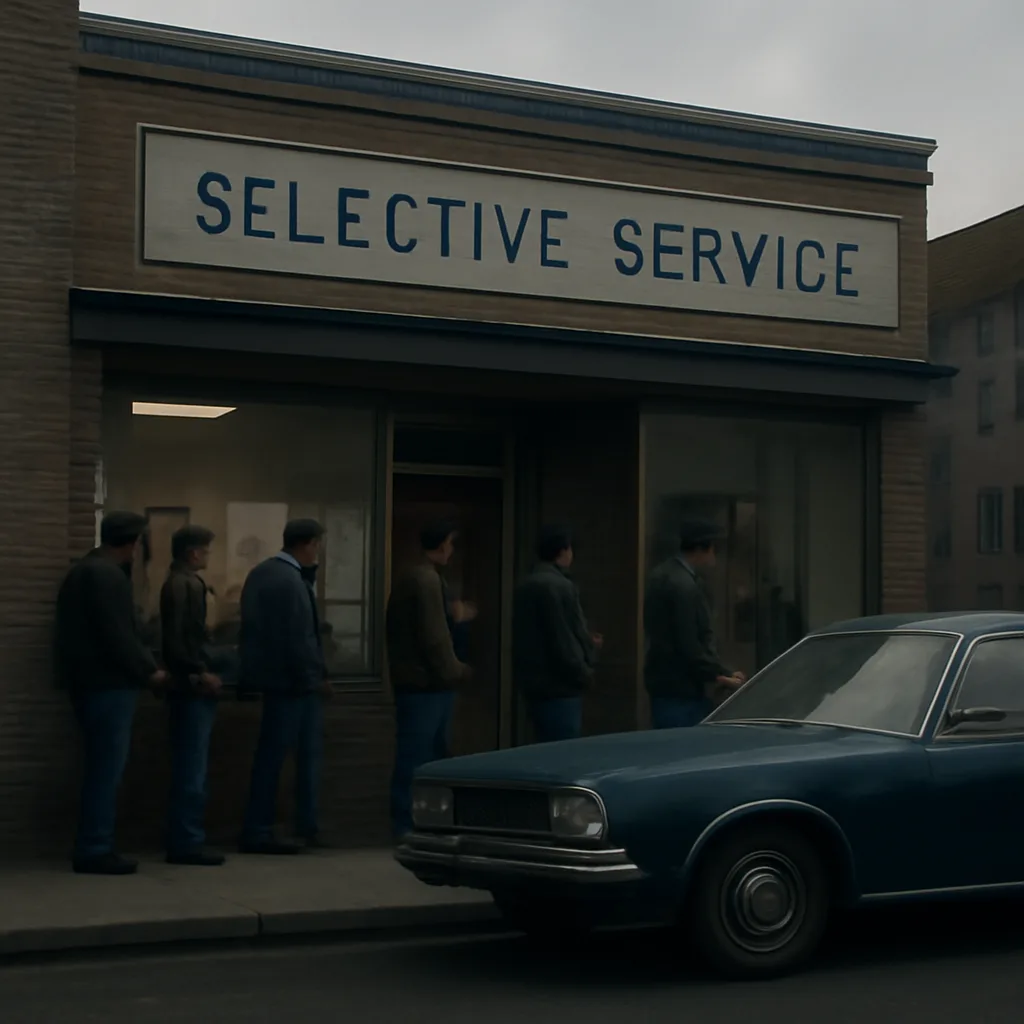
Supreme Court Upholds Military Draft Laws in 1971 Ruling
On November 26, 1971, the U.S. Supreme Court issued a decision upholding the constitutionality of federal Selective Service laws, sustaining the government’s authority to require registration and conscription under existing statutes.
On November 26, 1971, the United States Supreme Court issued a ruling that upheld the constitutionality of the Selective Service laws then governing registration and conscription of men into the armed forces. The decision came amid sustained legal and political challenges to the draft during the Vietnam War era, when the Selective Service system and its procedures were subject to intense public scrutiny and litigation.
Background
By the late 1960s and early 1970s, the draft was a central legal and political issue. Conscientious objection claims, claims of unequal application, and challenges to specific procedures for classification and induction produced numerous cases across federal courts. Petitioners argued variously that particular implementations of the Selective Service Act violated constitutional protections — including due process, equal protection, and First Amendment grounds — or that the statute as applied exceeded congressional power.
The Court’s Ruling
In the 1971 decision, the Supreme Court affirmed that Congress had the authority to enact and maintain a system of compulsory military service under the Constitution. The Court’s opinions examined statutory interpretation and constitutional limits, addressing procedural protections and the scope of congressional power to raise and support armies. While the ruling left room for trial-court review of specific administrative practices and individual claims, it rejected broad constitutional attacks that would have invalidated the Selective Service framework in its entirety.
Legal and Social Context
The ruling did not occur in isolation. It followed years of litigation and was delivered against a backdrop of widespread protest and political debate over the Vietnam War and the fairness of the draft. Issues such as student deferments, occupational exemptions, and the treatment of conscientious objectors had driven many challenges. The decision provided legal continuity for the government’s ability to conduct conscription under then-existing statutory terms, even as petitioners continued to press narrower challenges to administrative procedures and selective enforcement.
Aftermath and Significance
Legally, the decision reinforced congressional authority over conscription and limited the scope of successful facial constitutional challenges to the draft statute. Practically, it meant the Selective Service system could continue operating under existing law while leaving open judicial review of individual classifications and administrative process. Politically and socially, the ruling did not settle public debate over the draft; opposition to conscription and calls for an all-volunteer force persisted and contributed to policy changes later in the 1970s.
Subsequent Developments
In the years after 1971, debates about the draft continued. The draft for the Vietnam-era conflict ended when the United States transitioned to an all-volunteer force in 1973. The Selective Service registration requirement remained on the books, and legal and policy discussions about conscription, registration, and equal treatment continued to surface in both courts and Congress.
Notes on Sources and Certainty
This summary describes the general contours of Supreme Court treatment of Selective Service challenges around the stated date. Specific case names, vote counts, and opinion authors are not asserted here; those details can vary by individual opinion in the Supreme Court’s docket from that period and should be cited directly from court reports for precise attribution.