
← Back
12/15/1966 • 5 views

France Carries Out First Underground Nuclear Test in Sahara, December 1966
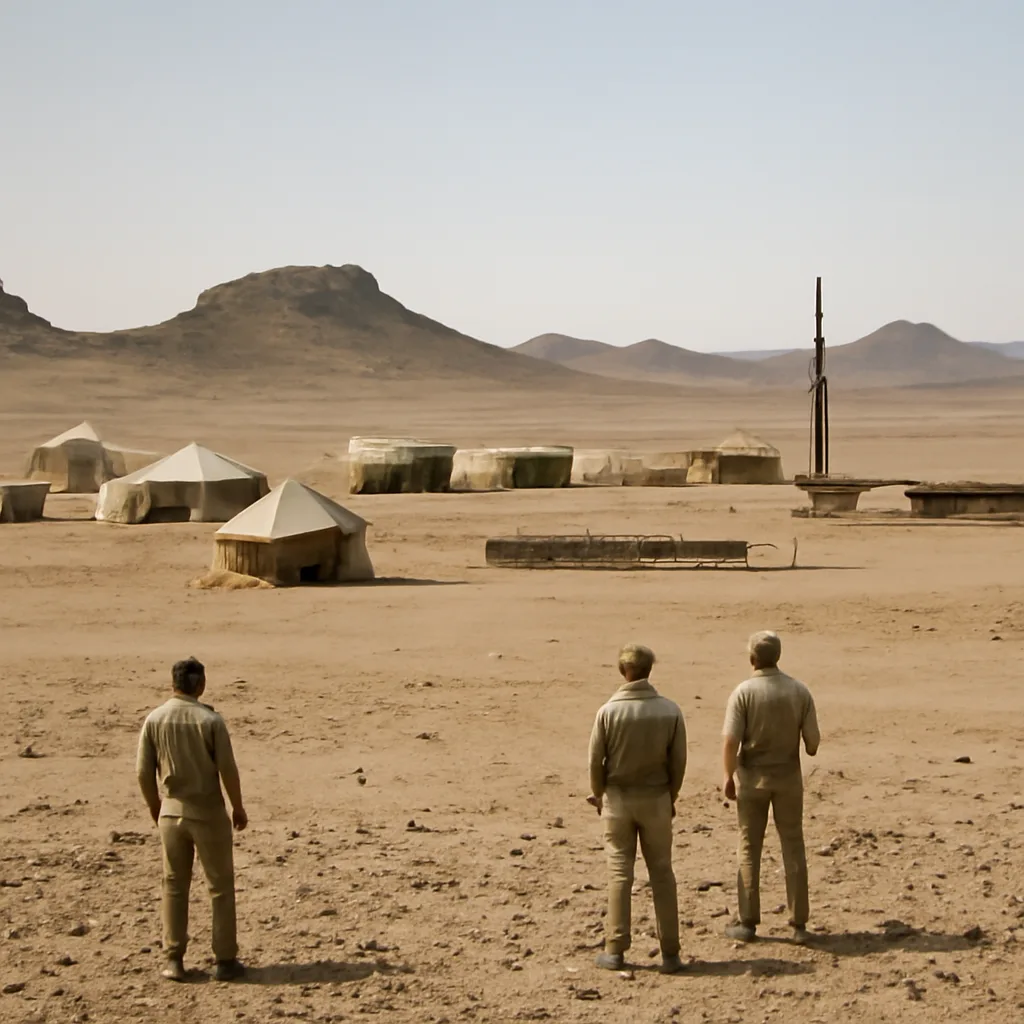
Distant view of the Hoggar (Ahaggar) highlands in the Algerian Sahara with a barren rocky plain, a sunlit sky, and sparse equipment silhouettes indicating a mid-20th-century military test site.

On 15 December 1966 France conducted an underground nuclear test at the In Ekker site in the Algerian Sahara, part of its series of tests transitioning from atmospheric detonations to underground trials amid international concern over nuclear proliferation and environmental risk.


On 15 December 1966 France conducted an underground nuclear test at the In Ekker test complex in the Hoggar (Ahaggar) region of the Algerian Sahara. The test was part of France’s ongoing nuclear weapons development program, which had begun with atmospheric tests in the Algerian Sahara in the early 1960s and later moved to underground detonations as international pressure and the Partial Test Ban Treaty of 1963 shifted norms against atmospheric testing.

Background
France’s nuclear weapons program dates to the late 1950s, culminating in its first atmospheric test in 1960. Early tests were carried out in the Algerian Sahara—then under French control—at the Reggane and In Ekker sites. After Algeria gained independence in 1962, France secured continued access to the In Ekker military and test facilities under agreements with the new Algerian state for a limited period. By the mid-1960s, global concern over radioactive fallout and diplomatic pressure led many nuclear powers to curtail atmospheric tests. France increasingly turned to underground testing to advance device design while reducing visible fallout.

The 15 December 1966 Test
Details released by French authorities at the time described the 15 December detonation as an underground experiment intended to validate aspects of warhead design and yield containment. The In Ekker complex included shafts and tunnels drilled into granite and volcanic rock intended to sequester explosive effects and radioactive products. Underground testing represented a technical shift: it required precise drilling, emplacement of diagnostic instrumentation, and geological assessment to minimize venting and seismic detectability.

International and Regional Context
France’s continued nuclear testing in Algeria occurred amid shifting political realities. Algeria had become independent in 1962; negotiated access and base agreements allowed France to use certain military and testing facilities for a limited time. Internationally, the Partial Test Ban Treaty (1963) had outlawed nuclear tests in the atmosphere, outer space, and under water for signatory states, but not underground tests. France did not sign the treaty until later and maintained its own testing schedule to certify and improve its nuclear arsenal.

Environmental and Health Considerations
Underground tests were intended to reduce atmospheric radioactive release compared with atmospheric detonations, but they were not without risk. Underground detonations could cause subsurface contamination, venting of radioactive gases if containment failed, and long-term impacts on local geology and groundwater. Contemporary and later assessments have raised concerns about legacy contamination at former test sites, the adequacy of containment measures used, and the health effects on personnel and nearby populations. Documentation and comprehensive environmental studies for many Cold War-era test sites remain incomplete or contested.

Legacy
France’s series of tests in Algeria and later at the Mururoa and Fangataufa atolls in the Pacific have remained subjects of historical scrutiny, political debate, and calls for remediation and transparency. France continued nuclear testing into the 1970s and 1980s, moving fully to Pacific sites before declaring a moratorium and eventually signing the Comprehensive Nuclear-Test-Ban Treaty (France ratified the CTBT’s norms through policy changes, though the treaty itself has not entered into force). The 1966 underground test at In Ekker is part of the broader Cold War record of nuclear development and its environmental, political, and human consequences.

Uncertainties and Sources
Publicly available details about specific yields, precise geological data, and full environmental assessments for individual underground tests at In Ekker are limited or remain classified in part. Historical accounts rely on declassified government reports, contemporary press coverage, and later academic and investigative work. Where precise technical or health-impact data are disputed or incomplete, this summary notes those gaps rather than asserting unverified specifics.

Share this

Email Share on X Facebook Reddit

Did this surprise you?