
02/20/1998 • 6 views
Vatican to Open Inquisition Archives to Scholars
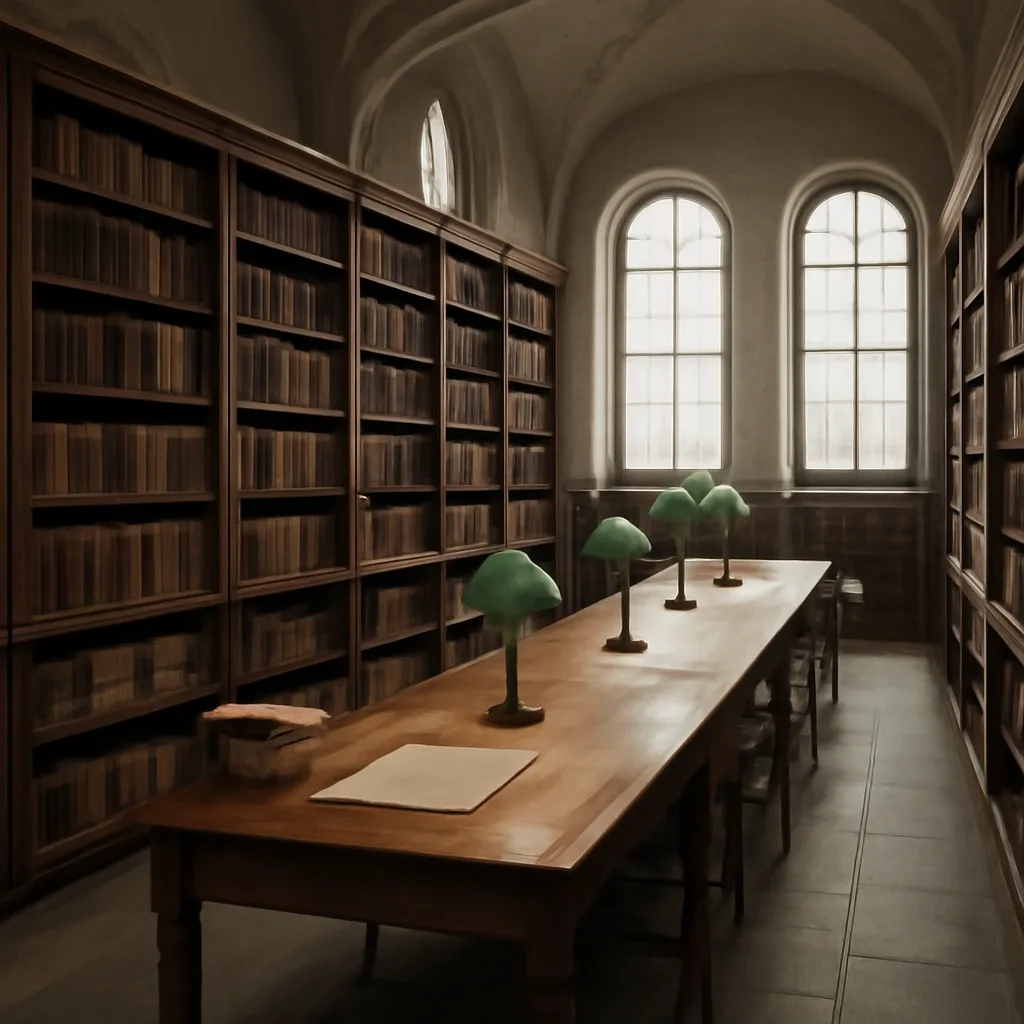
On 20 February 1998 the Vatican announced that it would open the historical archives of the Holy Office (the Inquisition) to qualified researchers, a move intended to make primary records of trials and procedures available for scholarly study.
Scope and contents
The opened material primarily concerned the period of the Roman Inquisition and the Holy Office up to the early 20th century; the Vatican specified that access would be granted to historically significant records but that modern, sensitive files would remain restricted. Collections include correspondence, trial records, procedural manuals, and other administrative papers illuminating how the institution functioned. The exact chronological cutoff and the treatment of materials already subject to privacy protections were defined by Vatican archival rules issued in conjunction with the decision.
Motivations and context
The move followed long-standing calls from historians for fuller access to Vatican holdings on religious, intellectual, and cultural history. Advocates argued that opening the archives would enable more accurate, evidence-based scholarship on the Inquisition’s procedures, its role in early modern Europe, and its interactions with state authorities and intellectuals. Church officials framed the step as consistent with the Vatican’s increasing willingness since the late 20th century to facilitate historical research and to allow archival scrutiny of its past actions.
Scholarly and public reactions
Historians generally welcomed the increased access while noting practical constraints: cataloguing, preservation, and access rules would affect how quickly materials could be studied. Some scholars cautioned that significant research would still be required to interpret the complex, often fragmentary records and to place individual cases into broader historical context. Catholic commentators saw the opening as an opportunity for transparent scholarship; others asserted that the public's understanding of the Inquisition should be revised in light of the nuances revealed by archival research.
Limitations and ongoing restrictions
The Vatican maintained that certain files—notably those touching on recent privacy concerns, pastoral matters, or state secrets—would remain closed for a set period, consistent with archival practice elsewhere. The precise timelines and categories for restricted material were governed by Vatican rules for access, which balance scholarly inquiry with confidentiality and preservation responsibilities. As a result, while many earlier records became available, comprehensive, unfettered access to all holdings was not immediate.
Impact on research
Opening the archives enabled subsequent generations of historians to undertake detailed, source-based studies of inquisitorial processes, regional variations, and the institutional development of the Holy Office. Publications and doctoral work drawing on the newly available documents expanded understanding of legal procedures, cultural impacts, and the day-to-day operations of ecclesiastical justice. The archival release also prompted re-examinations of specific high-profile cases and fostered comparative research with secular courts and other religious tribunals.
Historical significance
The 1998 announcement marked a notable institutional shift in the Vatican’s approach to its historical records. By facilitating scholarly access to the Inquisition’s archives, the Holy See allowed a more document-driven appraisal of an institution long embroiled in debate and myth. While archival research would not eliminate all controversies about interpretation or moral judgments of the past, it provided historians with the primary materials necessary to produce more nuanced, evidence-based accounts of the Inquisition’s role in European religious and intellectual history.