
09/21/2011 • 5 views
Greek Debt Crisis Triggers Large-Scale Riots in Athens
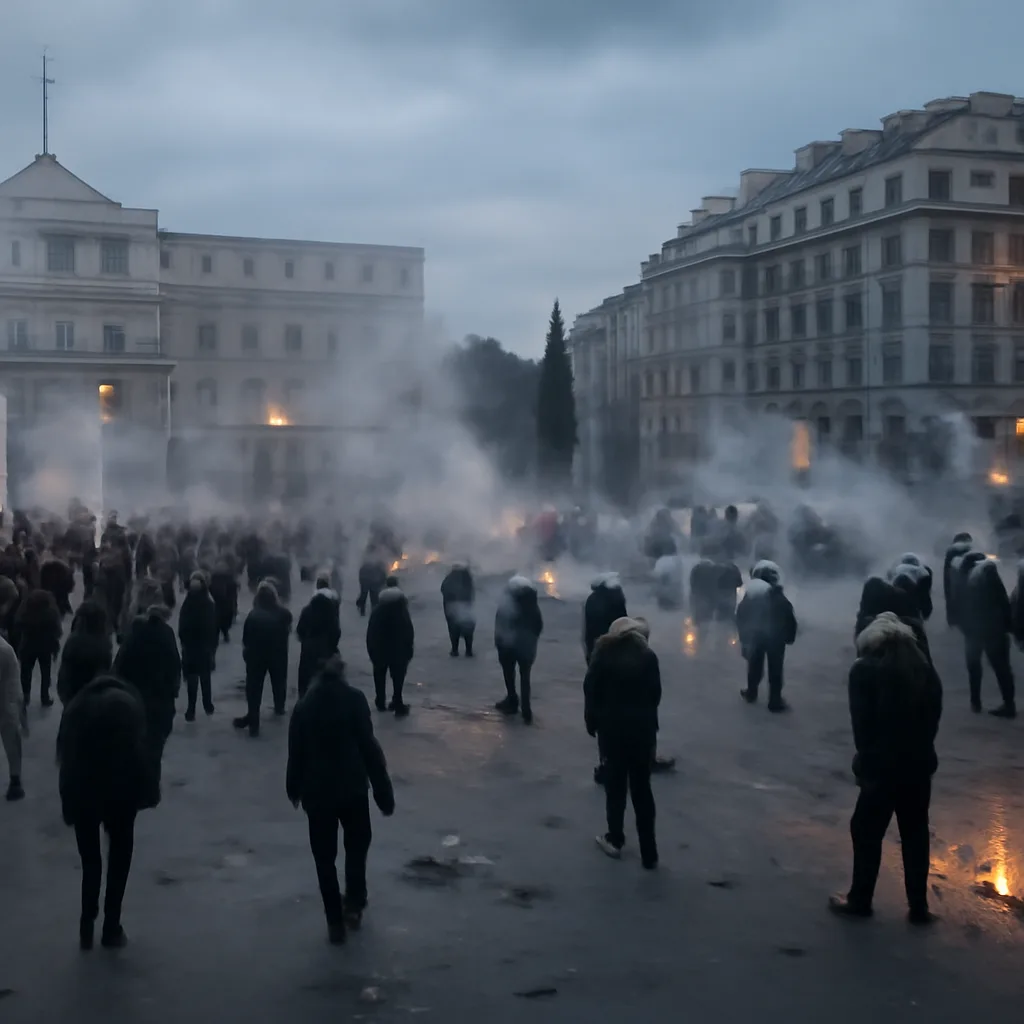
On September 21, 2011, widespread protests in Athens over austerity measures tied to Greece's debt crisis escalated into large riots, with clashes between demonstrators and police across central districts and public buildings targeted by arson and vandalism.
The demonstrations drew tens of thousands of people, including organized labor groups, anti-austerity activists and unaffiliated citizens. While many protesters marched peacefully, a significant minority engaged in violent actions in central Athens. Demonstrators clashed with riot police in areas such as Syntagma Square and the adjacent streets, where police used tear gas and stun grenades. Buildings and banks were vandalized; there were multiple reports of shopfronts smashed and fires set in vehicles and dumpsters. The conservative New Democracy and coalition government of the time had faced mounting political pressure amid repeated bailouts and reform programs, and these protests underscored the social strain produced by prolonged economic hardship.
Police detained numerous individuals during the unrest; several people, including officers and protesters, were reported injured. The scale and intensity of the clashes prompted national and international media coverage and renewed debate in Greece and across the eurozone about the social costs of austerity, the adequacy of economic rescue programs, and the political stability of heavily indebted EU members.
The September 2011 riots were part of a broader pattern of protests and strikes that punctuated Greece’s crisis years. Earlier and later demonstrations—some peaceful, some violent—reflected persistent public opposition to austerity measures imposed as conditions for financial assistance. Politically, the period saw increased polarization, the rise of new parties and movements, and significant electoral shifts in subsequent years as voters reacted to economic hardship and perceived governance failures.
Contemporary reporting from Greek and international outlets covered the events with on-the-ground accounts, police statements and footage of clashes; subsequent analyses by scholars and policy observers have placed the unrest within longer-term debates about crisis governance, social resilience and the European response to sovereign debt problems. Exact casualty and arrest figures reported in the immediate aftermath varied between sources, and assessments of the riots’ long-term political impact are part of ongoing scholarly and journalistic discussion.
This account focuses on documented public events and broadly reported impacts; where precise figures or disputed claims exist (for example, exact numbers of arrests or injuries), reporting at the time showed variation among different outlets and official statements.