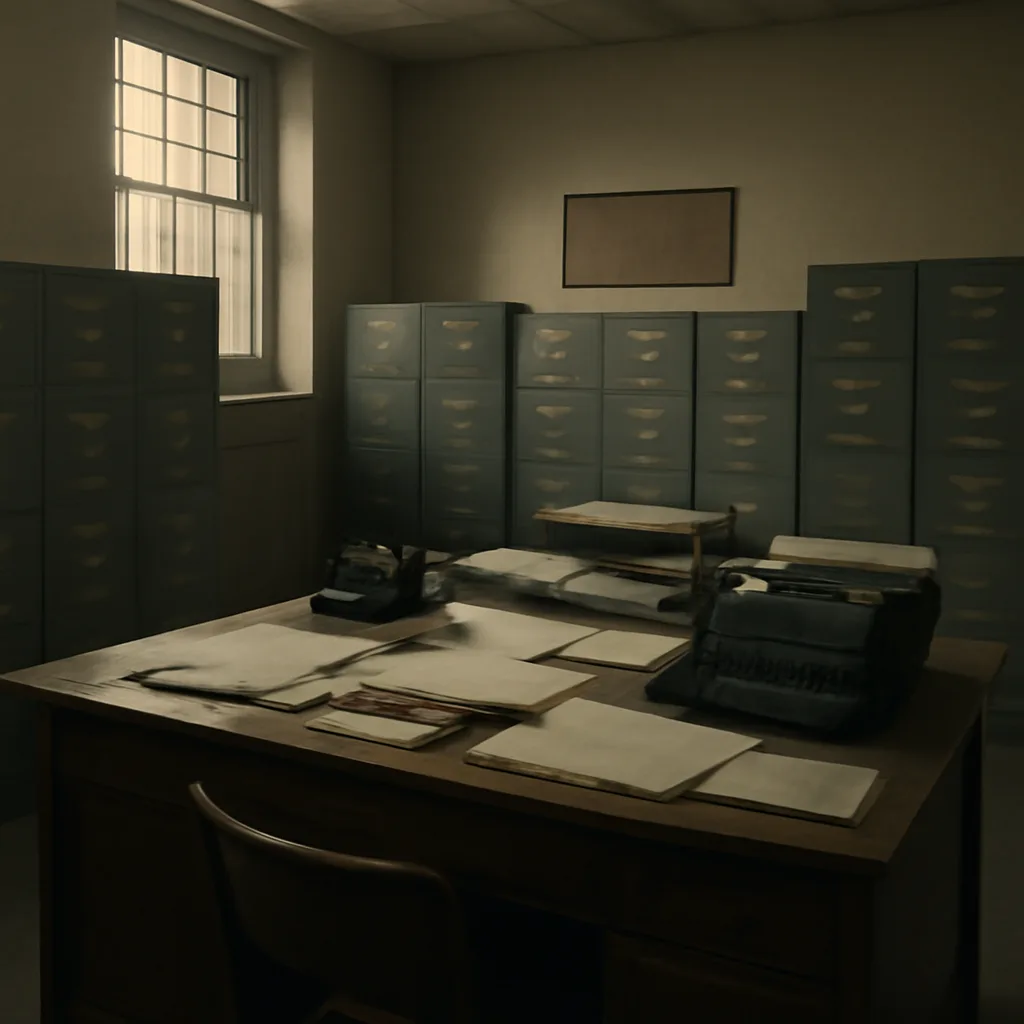
On February 4, 1971, documents stolen from an FBI office and later publicized led to confirmation that the Bureau had conducted COINTELPRO operations—covert programs aimed at surveilling, infiltrating, and disrupting domestic political organizations during the 1950s–70s.
On February 4, 1971, activists calling themselves the Citizens' Commission to Investigate the FBI burglarized an FBI field office in Media, Pennsylvania, and removed files that they then shared with the press and several newspapers. The released documents revealed a range of clandestine programs the Bureau had carried out against domestic political organizations and individuals. Over subsequent weeks and months, reporting based on the stolen files, congressional inquiries, and internal reviews made clear that the Federal Bureau of Investigation had run a series of counterintelligence programs—collectively known as COINTELPRO—targeting civil rights groups, political organizations, activists, and other domestic entities.
COINTELPRO, short for "counterintelligence program," encompassed a variety of methods: electronic surveillance, mail opening, infiltration by informants and undercover agents, psychological operations, forgeries, and efforts to disrupt and discredit individuals and organizations. While the FBI had long asserted its authority to investigate threats to national security and to enforce federal law, the documents showed operations that exceeded legal and ethical boundaries, including campaigns against the Black Panther Party, the Southern Christian Leadership Conference, the American Indian Movement, socialist and communist organizations, and prominent individuals associated with civil rights and antiwar movements.
The disclosures prompted significant public and political backlash. In 1975, the U.S. Senate's Church Committee (the Senate Select Committee to Study Governmental Operations with Respect to Intelligence Activities) conducted in-depth hearings examining domestic intelligence abuses by the FBI, CIA, and other agencies. The Committee's findings documented extensive abuses of power, lack of adequate oversight, and violations of constitutional rights. The Church Committee and related investigations led to policy changes, new oversight mechanisms, and public commitments to limit domestic intelligence activities.
Legal and policy reforms followed: Attorney General guidelines were revised to impose stricter controls on domestic investigations; congressional oversight of intelligence activities was strengthened; and internal FBI procedures were modified to reduce the risk of similar abuses. In addition, the controversy surrounding COINTELPRO contributed to debates about balancing civil liberties and security that continue to shape policing and intelligence practices.
Historians and legal scholars note several contested points. The full scope of COINTELPRO remains the subject of scholarship and declassification efforts: while many program files were released or described in hearings, some records were destroyed or remain incomplete, complicating efforts to produce a definitive account. Assessments differ on whether abuses stemmed primarily from individual agents acting without constraints, systemic institutional priorities within the FBI, or broader political pressures during a turbulent era.
The February 4, 1971, break-in and the subsequent publicization of the files mark a pivotal moment in U.S. history for transparency about domestic intelligence operations. The episode exposed tensions between security practices and civil liberties, spurred reforms in oversight and guidelines, and left a lasting legacy in discussions about government surveillance, political dissent, and the rule of law.