
04/20/1889 • 5 views
Adolf Hitler is born in Braunau am Inn
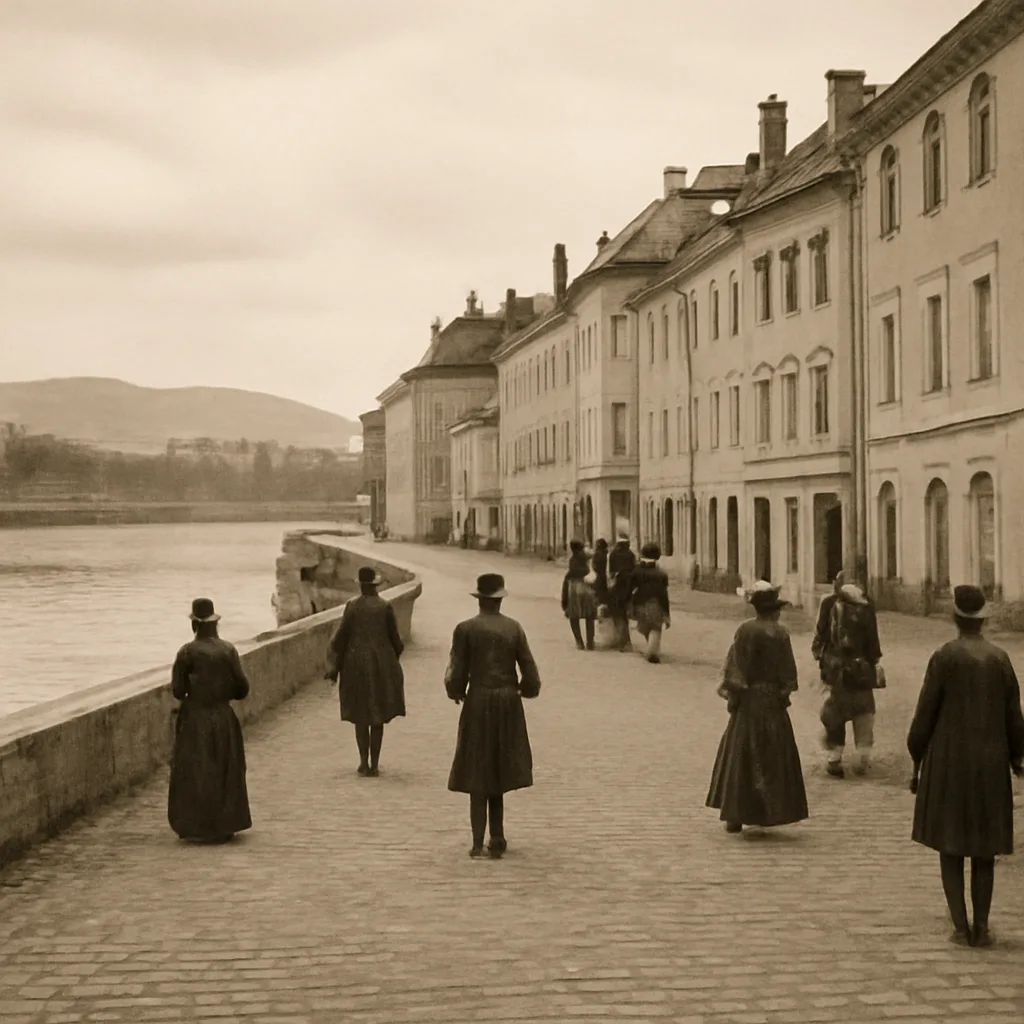
On April 20, 1889, Alois Hitler and Klara Pölzl's fourth child, Adolf, was born in the Austrian town of Braunau am Inn; he would later become leader of the National Socialist movement and central figure in World War II and the Holocaust.
Hitler’s childhood and youth were marked by the death of several siblings and by a fraught relationship with his father. Alois, described in contemporary records as strict and authoritarian, died in 1903. Klara’s death from breast cancer in 1907 left Adolf, then a teenager, increasingly adrift. After failing to gain admission to the Vienna Academy of Fine Arts, he spent years in Vienna and later Munich, living a marginal existence while absorbing political, social, and cultural currents of the time.
The significance of Braunau am Inn as his birthplace has been a recurring feature in historical and public memory. During the interwar period and after Hitler’s rise to power in Germany, places associated with his life became politically charged. Braunau’s house of birth and other local landmarks were repeatedly discussed, repurposed, or contested throughout the 20th and 21st centuries, reflecting broader debates in Austria and Europe about memory, responsibility, and the legacy of National Socialism.
Historians emphasize that Hitler’s later actions and ideology cannot be reduced to birthplace or family circumstances alone. Scholars point to a combination of factors—personal experiences, political developments after World War I, racial and anti-Semitic ideologies circulating widely at the time, and Hitler’s own choices and leadership—that produced the movement he led. Primary-source records (school files, contemporary civil registers, and later testimonies) underpin much of what is known about his early life, but interpretations and emphases vary among historians.
Because Adolf Hitler became central to the catastrophic events of the mid-20th century, his birthsite has been treated carefully. Austrian and local authorities have at times sought to prevent the house in Braunau from becoming a shrine, and memorial decisions have involved legal and ethical considerations. Public memory work in Braunau and elsewhere continues to balance historical documentation, commemoration of victims, and efforts to discourage extremist appropriation of such sites.
This account focuses on verifiable biographical facts about Hitler’s birth and family background while noting that his later political role and responsibility are matters of extensive historical record and analysis. For fuller context, consult primary documents—Austrian civil records and contemporary archival material—and the broad secondary literature by scholars of modern European history and the history of National Socialism.