
02/04/1982 • 7 views
Tylenol Murders of 1982: First Documented Case of Retail Product Tampering and Mass Poisoning
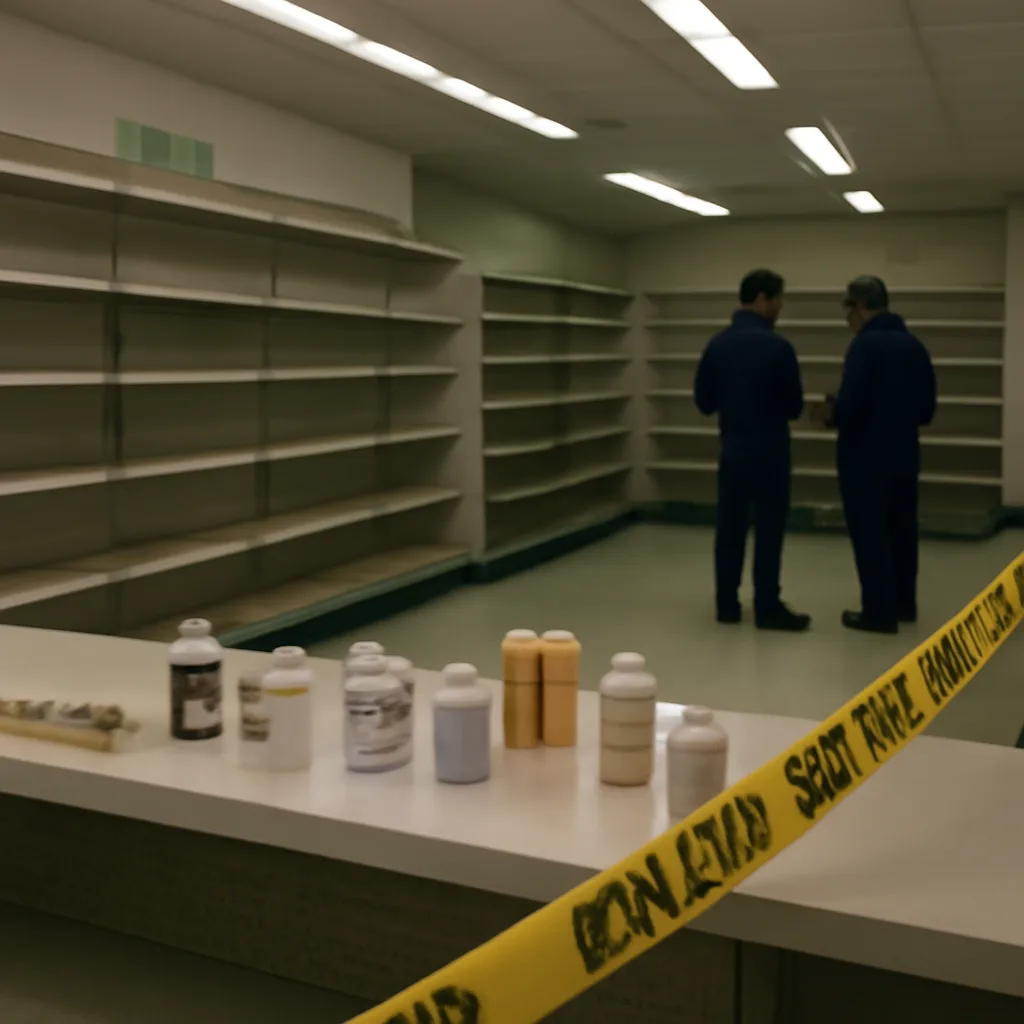
In early February 1982, seven people in the Chicago area died after taking cyanide-laced Extra-Strength Tylenol capsules, marking a landmark case of deliberate retail product tampering and mass poisoning in the United States.
The case was notable for its method: over-the-counter medication purchased from retail stores had been deliberately opened and resealed after someone added lethal doses of cyanide into capsules. Because the tampering occurred outside the manufacturing process—by an unknown perpetrator placing poisoned capsules into retail packages—this episode exposed a new vulnerability in the consumer supply chain and caused immediate public fear and outrage.
Investigators faced several challenges. There were multiple sites where tampered bottles were recovered, and the perpetrator’s actions appeared random with respect to victims’ identities. This made motive and intent difficult to establish. Law enforcement carried out extensive interviews, trace-back efforts, and forensic analyses of packaging and capsule contents. The investigation produced many leads but did not result in a conclusive prosecution: despite suspects being questioned and substantial media attention, no one was convicted for the poisonings, and the case remains officially unsolved.
The public health and commercial responses were swift and consequential. Johnson & Johnson, the maker of Tylenol, recommended consumers stop using their product and instituted a nationwide recall of Tylenol products—an unprecedented action at the time. Retailers pulled products from shelves, and consumers avoided over-the-counter pain relievers out of fear. The incident prompted changes in packaging across the pharmaceutical and consumer goods industries: tamper-evident seals, bonded cartons, and more robust safety measures became standard to help prevent similar attacks and to reassure the public.
Regulatory action followed. The U.S. Food and Drug Administration and lawmakers moved to strengthen federal anti-tampering statutes and to require tamper-resistant packaging for certain consumer products. The combination of corporate, regulatory, and retail changes that emerged after the 1982 poisonings significantly altered how over-the-counter medications were packaged and sold.
Beyond technical and legal outcomes, the events had lasting cultural and psychological effects. The Tylenol poisonings demonstrated how a single act of product contamination could undermine public trust nationwide, influencing consumer behavior and media coverage of product safety. The case remains a reference point in discussions about supply-chain vulnerability, crisis communication, and consumer protection.
While the 1982 Tylenol poisonings are often cited as the first widely documented case in the United States of mass poisoning via tampered retail products, poisoning as a tactic has a much longer and global history. What sets the Tylenol case apart is its intersection with modern mass retail distribution, mass-produced pharmaceuticals, and national media coverage—factors that combined to make it a landmark incident in late 20th-century public-health and legal history. The core questions about the perpetrator’s identity and motive, however, remain unresolved.