Investigation into Pan Am Flight 103 Widens Amid Terror Concerns
Authorities expand the inquiry into the destruction of Pan Am Flight 103 over Lockerbie, Scotland, as investigators pursue leads suggesting a bomb brought down the Boeing 747 on September 21, 1988; inquiries focus on forensic evidence, international links and airline security lapses.
On September 21, 1988, Pan Am Flight 103, en route from London to New York, exploded over Lockerbie, Scotland, killing all 259 people on board and 11 on the ground. In the days following the disaster, investigators from British and U.S. agencies widened their probe amid growing concern that the airliner was brought down by an explosive device. Authorities described their initial work as involving crash-site recovery, forensic analysis of aircraft wreckage and luggage fragments, and tracing of passenger and cargo manifests to identify a possible origin for any bomb.
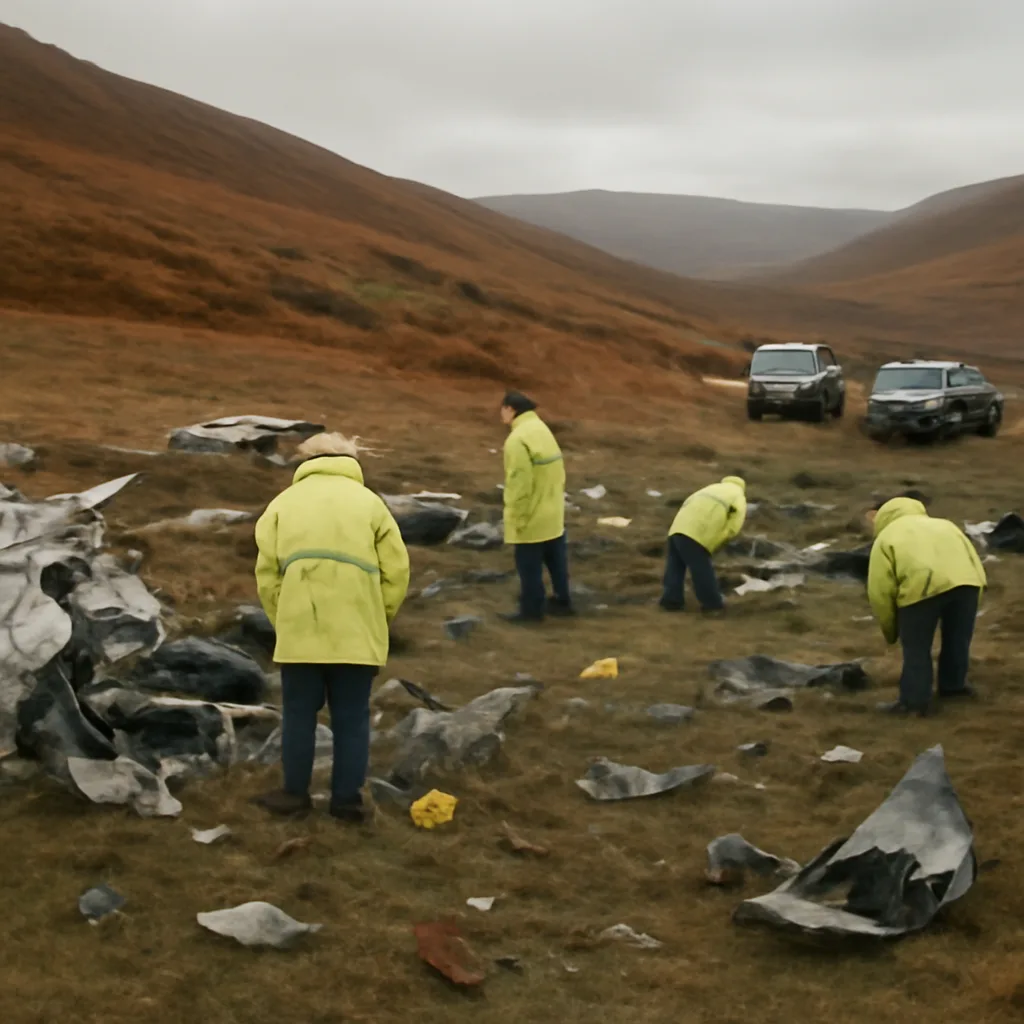
Forensic teams worked at the rural Lockerbie crash area to recover small but potentially crucial fragments. Investigators prioritized locating pieces of the fuselage and tail section to reconstruct the sequence of the in-flight breakup. Examining debris patterns and damage to the aircraft exterior can indicate a blast origin versus structural failure or other causes. Because wreckage and scattered personal effects landed across a wide area, search efforts were extensive and coordinated with local officials to preserve evidence.
Authorities also turned to fragment analysis. Forensic laboratories aimed to identify residue or components consistent with an improvised explosive device, such as detonator parts, explosive residues or unusual foreign materials. Investigators cross-referenced recovered fragments with airline baggage records and handled passenger checks to determine whether any luggage that had been loaded onto the aircraft was unaccompanied or improperly screened.
The international dimension of civil aviation security prompted cooperation among several governments and agencies. U.S. and U.K. investigators, supported by Pan American World Airways and aviation safety experts, sought leads in multiple countries to trace the origins of suspect baggage and possible conspirators. Given the era’s geopolitical tensions and previous incidents of aircraft sabotage, officials said they were considering terrorism as a plausible motive while maintaining that all technical possibilities would be examined.
Airline and airport security procedures came under immediate scrutiny. Investigators reviewed baggage handling policies, cargo screening procedures and passenger check-in practices at Heathrow and other origin points. Attention focused on whether the aircraft had any unchecked or transferred luggage and on processes for screening items departing to transatlantic flights. Any lapses in screening or chain-of-custody for luggage would be significant in reconstructing how an explosive device, if present, could have reached the aircraft.
Public statements by law enforcement emphasized the early and evolving nature of the inquiry. Officials cautioned against premature conclusions while acknowledging the possibility of foul play. Families of victims and the wider public sought answers, and authorities faced pressure to disclose progress while protecting sensitive investigative leads.
As the probe expanded, it underscored broader concerns about aviation security and the vulnerabilities of international air travel. The Lockerbie crash prompted not only a criminal and forensic investigation but also reviews of aviation policies and international cooperation mechanisms aimed at preventing similar tragedies. Over time, the investigation’s findings would shape legal, diplomatic and security responses, though those longer-term outcomes would emerge only after extensive inquiry and cross-border coordination.