
10/23/2002 • 4 views
Moscow Theater Hostage Crisis Begins as Chechen Gunmen Seize Audience
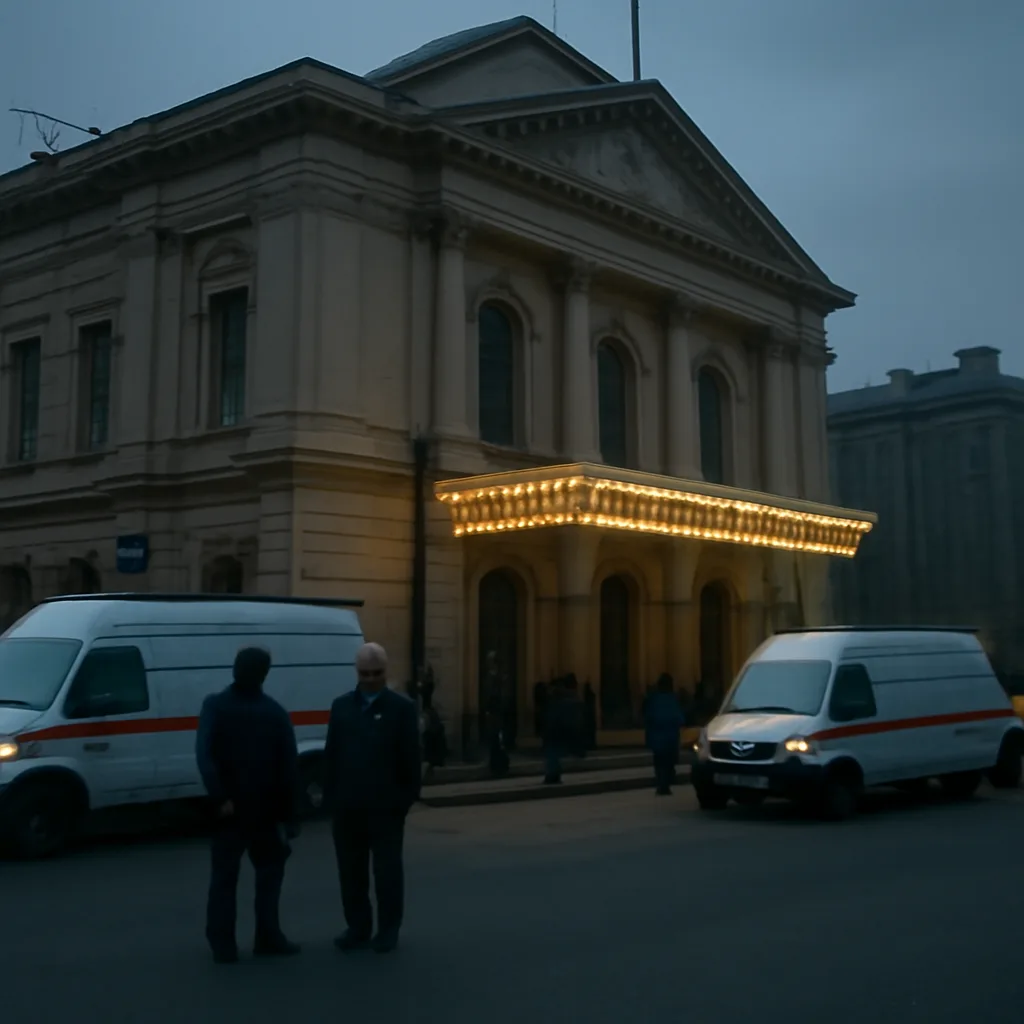
On October 23, 2002, armed Chechen militants stormed Moscow’s Dubrovka Theater during a performance, taking around 800 people hostage and triggering a tense multi-day standoff that would end in a controversial Russian rescue operation.
The captors rigged parts of the theater with explosives and demanded negotiations with Russian authorities. Over the following days, crisis negotiators and security services engaged in limited talks while attempting to gather intelligence about the hostage-takers’ numbers, positions and armaments. The theater’s design—a three-tiered auditorium with restricted entrances and a large chandeliered hall—complicated outside access and hostage evacuation.
On October 26, after approximately 57 hours, Russian special forces executed a rescue operation. Prior to the assault, security services deployed an aerosolized incapacitating agent into the theater, later acknowledged by authorities to be a fentanyl-based anesthetic mixture. Russian troops then entered the building, killed several militants and evacuated the hostages. The operation ended the siege but resulted in significant casualties: about 130 hostages died, most of them from the effects of the incapacitating gas and delays in medical treatment; dozens of militants were also killed. Precise casualty figures vary among sources, and the composition and effects of the gas used have been subject to investigation and international scrutiny.
The Kremlin defended the operation as necessary to save lives and to prevent the detonations of explosives planted in the theater. Critics, including some medical experts and human-rights organizations, argued that the use of an unknown gas without adequate immediate medical countermeasures contributed to many of the hostage fatalities and criticized the speed and transparency of the emergency response. Russian officials released limited information about the gas formula for several years; later disclosures and analyses implicated derivatives of powerful opioid compounds used as incapacitating agents.
The crisis had immediate and long-term effects. It intensified domestic and international debate about counterterrorism methods, emergency medical preparedness, and the balance between rapid tactical action and hostage safety. In Russia, the siege strengthened political support for tougher security measures and influenced policy toward Chechnya and counterterrorism operations. For survivors and relatives of victims, the event left enduring trauma and legal battles over accountability and access to information.
Historical assessments emphasize both the complexity of the tactical situation—large numbers of hostages contained in a confined, booby-trapped space—and the contested decisions made by Russian authorities. Investigations and reporting in subsequent years aimed to clarify operational details and medical causes of death, but some questions about command decisions and the full composition of the incapacitating agent remain debated among experts. The Dubrovka Theater siege is widely remembered as one of the deadliest terrorist incidents in modern Russian history and a pivotal episode in the post-Soviet era’s struggle with insurgency and state security responses.