
← Back
10/23/1973 • 5 views

Senate Watergate Hearings Reveal Links Between White House and Break-In
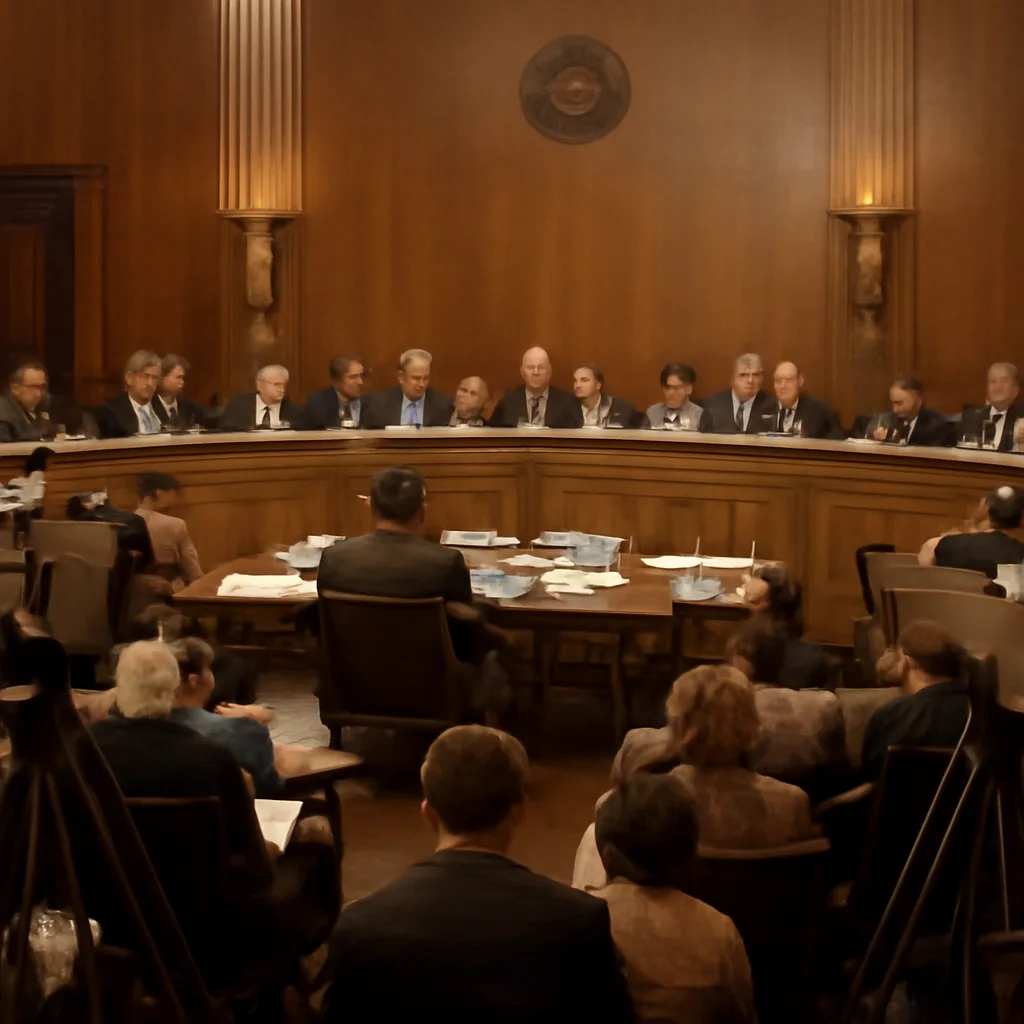
Televised Senate hearing room in 1973 with senators at a long semicircular dais, microphones and stacks of documents on a table, and reporters’ notebooks and cameras in the foreground; no identifiable faces.

Televised Senate hearings in October 1973 brought to light evidence connecting President Nixon’s re-election campaign and White House aides to the June 1972 break-in at the Democratic National Committee headquarters, intensifying calls for investigation and accountability.


In October 1973 the Senate Select Committee on Presidential Campaign Activities—commonly called the Watergate Committee—held nationally televised hearings that significantly broadened public understanding of the 1972 break-in at Democratic National Committee headquarters and the subsequent efforts to conceal the perpetrators. Chaired by Senator Sam Ervin (D-N.C.), the committee subpoenaed administration officials, campaign operatives and law enforcement figures to examine whether the Nixon administration and its reelection campaign had engaged in illegal activities and attempted to obstruct investigations.

The hearings consolidated evidence from the earlier criminal trial of the Watergate burglars and from investigative reporting. Testimony and documentary material linked members of the Committee to Re-elect the President (known as the Committee to Re-elect the President, or CRP) and to operatives who had participated in or financed clandestine intelligence-gathering and other political dirty tricks. The hearings also probed the role of the White House in efforts to impede the FBI and Department of Justice inquiries.

A key procedural development was the committee’s use of televised sessions, which brought witness testimony and documentary exhibits into American living rooms. This format allowed the public to follow the unfolding revelations in real time and increased scrutiny of government officials. The committee’s investigators and counsel presented excerpts of recorded conversations, financial records and witness statements that suggested a pattern of coordination and concealment extending beyond the initial break-in.

While the October hearings did not themselves determine final legal responsibility for the president, they produced political and legal momentum. The public airing of evidence and the sustained media coverage fueled congressional debate, intensified media investigations and contributed to subsequent legal steps, including the release and examination of White House tape recordings in 1974. The hearings also sharpened partisan divisions in Washington: Republicans generally criticized the committee’s scope and methods, while Democrats and many independents argued the inquiries were necessary to uphold the rule of law.

Historians and contemporary observers consider the 1973 Senate hearings a turning point in the Watergate saga: they transformed disparate reports and courtroom findings into a coherent narrative that implicated high-level figures, prompted further legal actions and altered public perceptions of presidential accountability. The hearings demonstrated the power of congressional oversight and the media in exposing potential executive misconduct, setting the stage for the legal battles and constitutional questions that culminated in President Nixon’s resignation in August 1974.

Because the hearings combined testimony, documentary evidence and later judicial rulings, assessments of their immediate legal impact vary: they were primarily an investigatory and public-accountability mechanism rather than a court of law. Nevertheless, by bringing evidence into the public domain and compelling additional investigation, the October 1973 hearings were central to the sequence of events that led to deeper probes of the executive branch and to enduring debates about executive privilege, obstruction and the balance of powers.

Share this

Email Share on X Facebook Reddit

Did this surprise you?