
← Back
06/20/1967 • 4 views

Draft Protests Over Vietnam Turn Violent in Several U.S. Cities
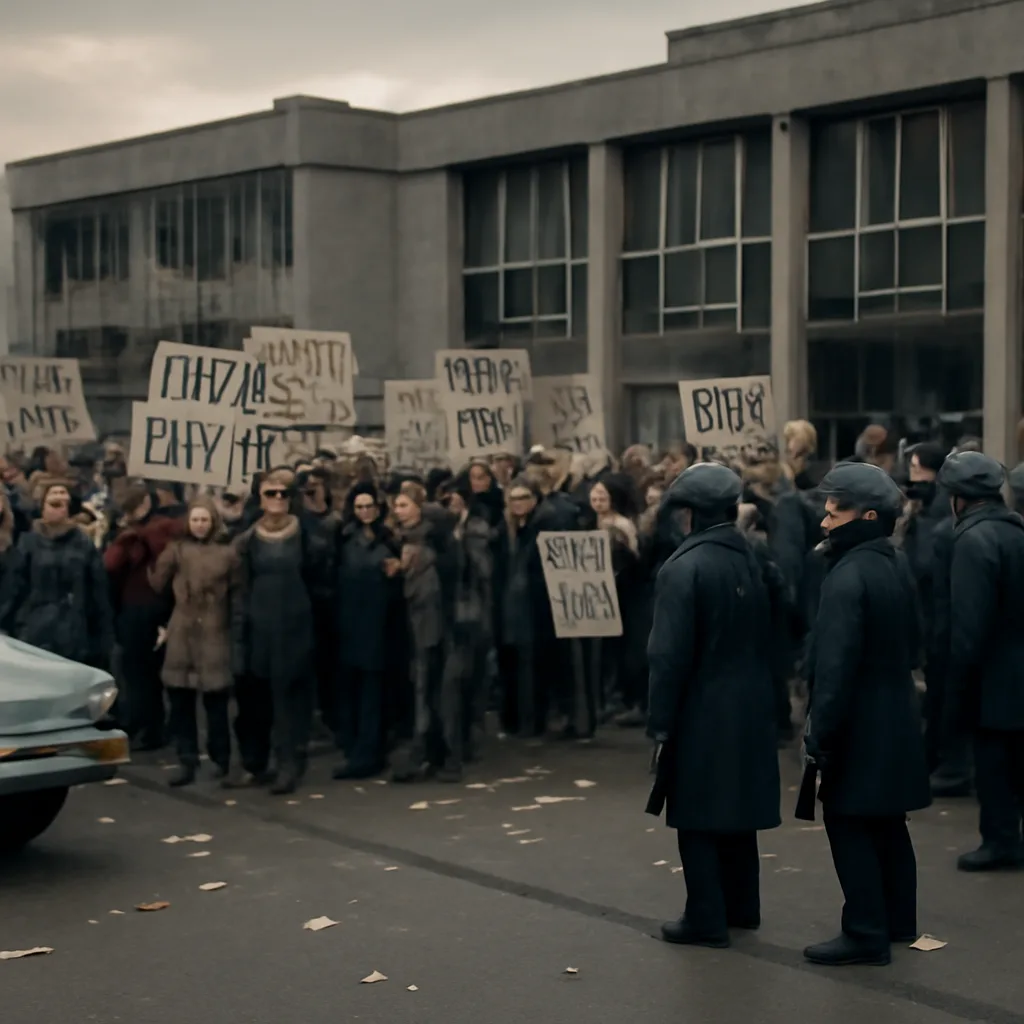
Crowd of anti-draft protesters outside a municipal building in 1967, police in helmets and riot gear forming a line; signs and banners opposed to the draft visible but no identifiable faces.

On June 20, 1967, demonstrations against the military draft and the Vietnam War in multiple U.S. cities escalated into violence, reflecting deepening domestic unrest as the conflict and conscription policies provoked widespread opposition.


On June 20, 1967, antiwar demonstrations tied to opposition to the military draft and U.S. involvement in Vietnam erupted into violent confrontations in several American cities. The protests were part of a broader and growing movement that had intensified over the previous year as casualty reports, televised coverage, and expanding troop deployments fueled public discontent. Opposition to conscription — perceived by many as forcing young men into an increasingly controversial war — became a focal point for activists, students, veterans, and community organizers across the political spectrum.

Events that month included large marches, sit-ins, and attempts to disrupt draft board operations and other government functions. In some locations, clashes occurred between demonstrators and police, resulting in injuries, arrests, and property damage. The scale and character of unrest varied from city to city: some gatherings were largely peaceful until law enforcement interventions escalated tensions, while others saw organized groups engaging in confrontational tactics intended to draw attention to draft resistance. Local newspapers and national broadcasters reported on both peaceful civil disobedience and more disorderly incidents, contributing to a perception of a nation increasingly divided over the war.

The draft itself — administered through selective service boards that registered and classified eligible men — had long been a contentious institution. Critics pointed to inequities in deferments and classifications, arguing that socioeconomic status, race, and educational opportunities affected who was most likely to be conscripted. High-profile cases of draft resistance, draft-card burning, and legal challenges drew public attention and galvanized activists who saw resistance as both a moral stance and a political tactic.

Law enforcement responses to draft-related protests varied. Some city officials sought to contain demonstrations through police presence, arrests for unlawful assembly, and enforcement of local ordinances. In other instances, attempts to occupy or block draft board offices prompted stronger crackdowns. The use of riot gear, baton charges, and mass arrests in certain confrontations drew criticism from civil liberties groups and amplified calls for investigations into police conduct.

The violence and disruptions of June 1967 must be seen in the context of mounting antiwar activism that included campus strikes, teach-ins, and nationwide demonstrations. Influential organizations — from student groups to religious and labor activists — increasingly coordinated actions aimed at ending U.S. involvement in Vietnam and dismantling the draft. These developments influenced political discourse, placing pressure on elected officials at local and national levels to address both the conduct of the war and the fairness of the draft system.

While the immediate aftermath of the June 20 incidents included arrests and local inquiries, the larger effect was to reinforce public debate about conscription and the war. Over the following years, sustained protest activity, changing public opinion, and political developments contributed to policy shifts, including reforms to the draft system and, ultimately, the move toward an all-volunteer force after the Vietnam era. Historians note that protests in 1967 were one of several factors that shaped the trajectory of American military and domestic policy, but assessments differ on the relative weight of protest activity versus battlefield developments and political leadership decisions.

Contemporary reporting from June 1967 provides city-by-city accounts with differing emphases; some sources highlight largely peaceful civil disobedience disrupted by heavy-handed policing, while others emphasize instances where protest tactics themselves provoked clashes. Where details of specific incidents are disputed or vary across contemporary sources, this summary avoids asserting a single contested narrative and focuses on the documented trend: draft-related protests in mid-1967 escalated into violent confrontations in several U.S. cities, signaling deep domestic divisions over the Vietnam War and conscription.

Share this

Email Share on X Facebook Reddit

Did this surprise you?