
← Back
06/20/1961 • 4 views

Nation’s First Modern Emergency Broadcast Test Alarms Citizens
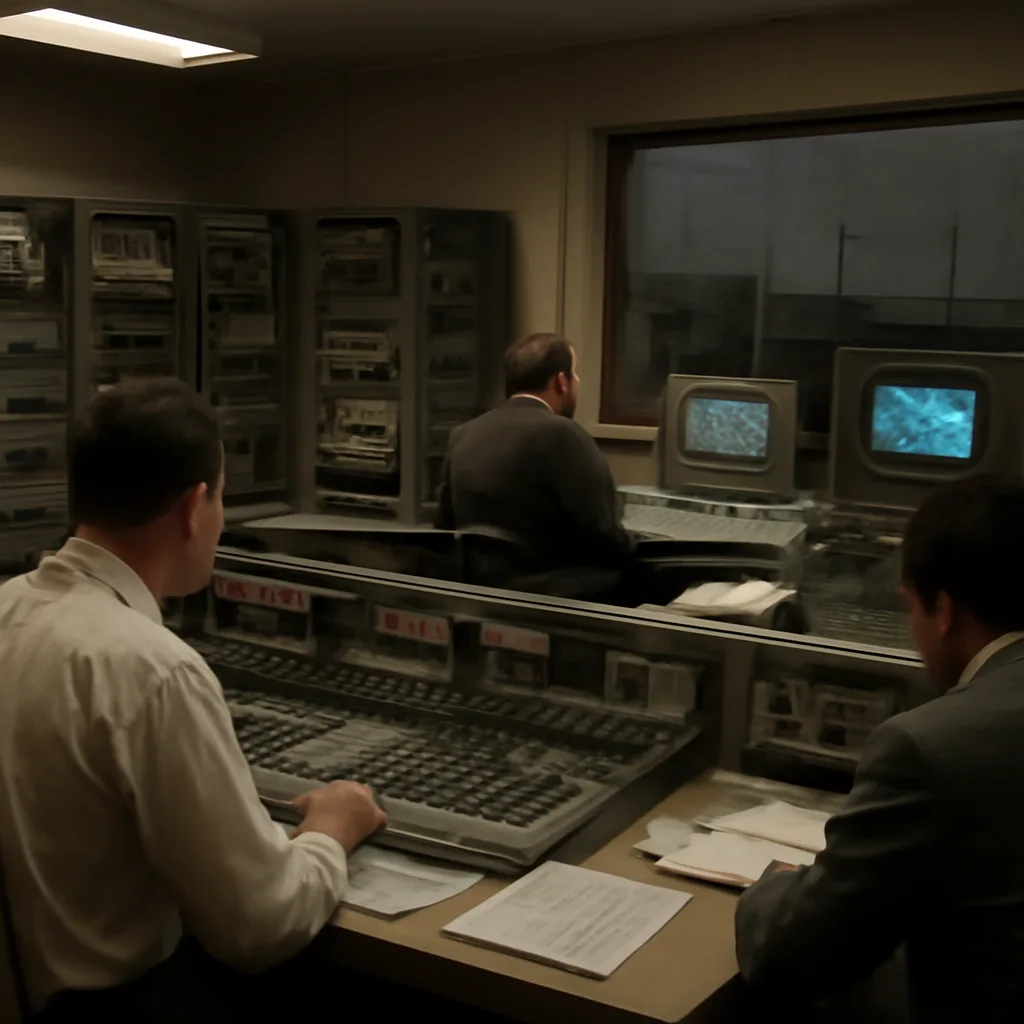
A 1960s-era radio-television control room with console equipment and technicians, representing broadcasters coordinating a nationwide emergency broadcast test.

On June 20, 1961, the United States conducted the first nationwide test of a modern emergency broadcast system, sending an alert over radio and television to assess public warning capabilities during the Cold War.


On June 20, 1961, the United States carried out one of the earliest large-scale tests of a coordinated emergency broadcast system designed to warn the public in crises. The test came at a moment of heightened Cold War tension and followed several years of planning to modernize and unify civil defense communications across radio and television networks.

Background

After World War II and into the 1950s, U.S. civil defense authorities and broadcasters experimented with a variety of sirens, radio messages, and local alert procedures to notify communities of threats such as air attacks, severe weather, or other emergencies. The Federal Communications Commission (FCC), the White House, and civil defense agencies sought a standardized means to interrupt programming nationwide and relay official messages quickly and reliably. Technological advances in broadcast linkage and growing concern about nuclear attack prompted development of a more formalized system.

The 1961 test

On June 20, 1961, authorities staged a coordinated test that transmitted an alert signal across participating radio and television stations. The exercise aimed to evaluate technical procedures for activating the system, the ability of broadcasters to relay official messages promptly, and public responsiveness to a national alert. Participants included federal civil defense officials and numerous broadcast outlets that had agreed to the test protocols.

Public reaction and interpretation

Receivers across the country heard or saw the test signal; in some places the interruption was abrupt enough to draw attention and conversation. Contemporary accounts indicate that reactions varied: some members of the public regarded the interruption as a necessary precaution in uncertain times, while others treated it as an alarming reminder of the nuclear threat. The test also highlighted unevenness in preparedness—stations and localities differed in how quickly they could transmit and receive messages, and some technical or procedural glitches occurred that provided lessons for future refinements.

Legacy and significance

The June 1961 exercise informed subsequent development of national and local alert systems. Findings from the test encouraged improvements in coordination between government agencies and broadcasters, standardization of activation procedures, and investment in backup links and equipment. The effort contributed to later, more formalized emergency alert frameworks that would evolve over ensuing decades, including systems designed to address not only wartime scenarios but also natural disasters and other civil emergencies.

Historical context and caveats

This test took place during a period when civil defense planning focused heavily on the possibility of nuclear conflict; that context shaped both the urgency behind creating a national alert mechanism and public perceptions of such tests. Details about the specific operational procedures and the full scope of participation can vary among historical records; some local tests and earlier experiments preceded 1961, and later initiatives built on lessons from this and other exercises. Where exact technical logs or comprehensive nationwide participation lists are not preserved in public records, accounts tend to emphasize the test’s role in accelerating standardization rather than portraying it as a flawless first deployment.

Overall, the June 20, 1961 test represented an important step in formalizing a modern approach to public warning—one that acknowledged the need for rapid, coordinated communication across multiple broadcast platforms and helped shape emergency alert practices used in later decades.

Share this

Email Share on X Facebook Reddit

Did this surprise you?