
11/03/1964 • 5 views
Double Agent Exposed in 1964 Cold War Espionage Scandal
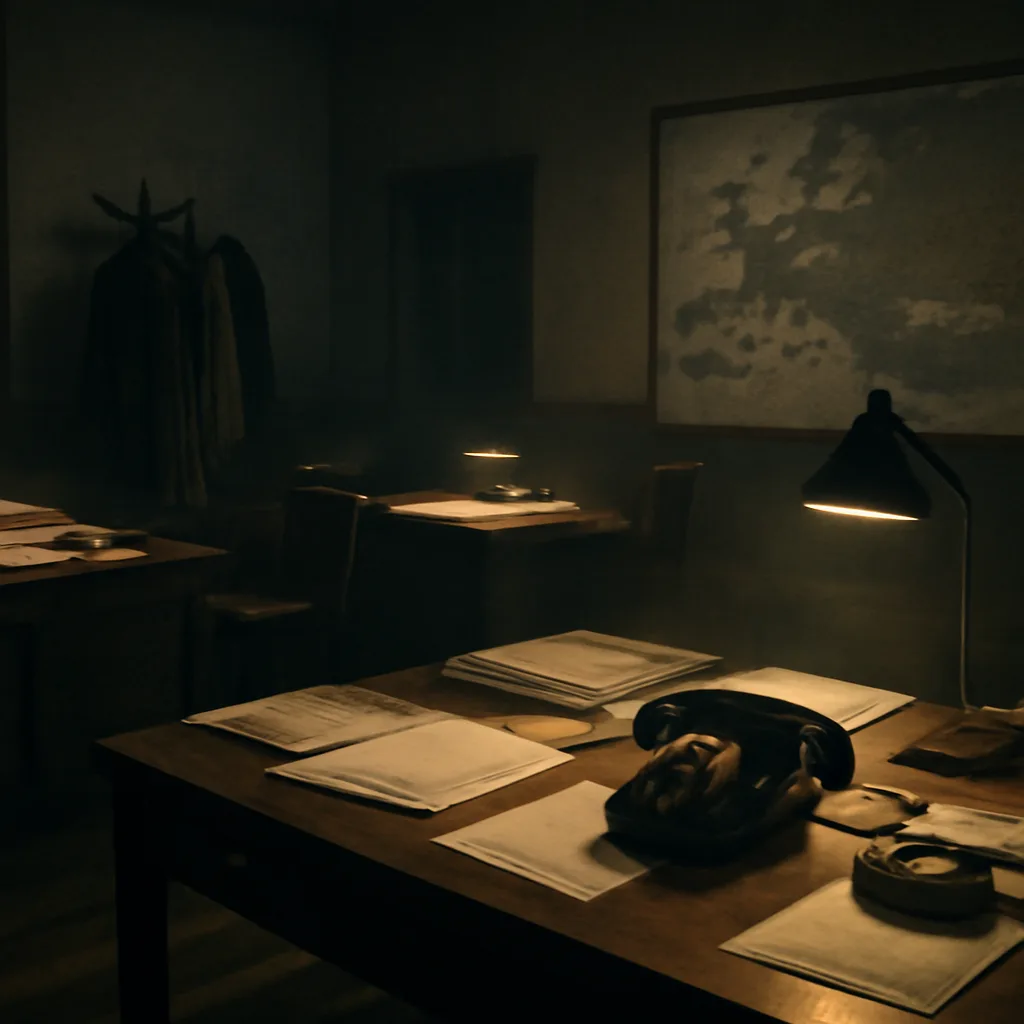
On November 3, 1964, revelations that a Western intelligence officer had been operating as a double agent ignited a Cold War scandal, prompting investigations into compromised operations and strained diplomatic ties between intelligence services.
Background
During the 1950s and 1960s, intelligence services on both sides of the Iron Curtain frequently ran clandestine human sources and conducted counterintelligence to identify moles. Double agents—operatives who provided information to one service while secretly serving another—were among the most damaging threats because they could compromise operations, reveal networks, and endanger lives.
The 1964 revelation
Contemporary accounts and later histories indicate that the exposed operative had been implicated in passing classified material to an adversary while ostensibly working for a Western agency. The precise details of what information was disclosed, which operations were affected, and how long the duplicity had continued have been the subject of official inquiries and historical scrutiny. Some material relating to the case remained classified for years; other elements were discussed in parliamentary or congressional hearings and press reports at the time.
Immediate consequences
The immediate institutional response typically involved suspension or dismissal of involved personnel, internal counterintelligence probes, and damage assessments to determine which assets and operations might have been compromised. Diplomatic fallout could include protests or demarches if the spying had direct consequences for allied governments or missions. Intelligence-sharing arrangements between partners were often temporarily curtailed or restructured pending the results of investigations.
Operational and policy implications
A high-profile double-agent case in 1964 reinforced longstanding concerns about vetting, handling of assets, and counterintelligence tradecraft. Security reviews frequently led to revised procedures: stricter compartmentalization of information, enhanced polygraph or background checks where used, and renewed emphasis on counterintelligence training. The scandal also fed public and political debates over oversight of clandestine services and the balance between secrecy and accountability.
Historical context and legacy
Such cases must be seen in the broader Cold War milieu: an era marked by ideological rivalry, defections, betrayals, and a persistent fear of infiltration. While individual scandal details vary by case, the pattern—initial shock, institutional investigation, reputational damage, and procedural reform—recurred across several Western and Eastern services during the period. Over time, declassified documents and scholarly work have clarified some particulars of specific cases while leaving others contested or unresolved.
Limitations and sources
Details about the 1964 exposure remain uneven in public records. Some primary documents have been declassified in later decades, but many operational records remain sealed or redacted. Where contemporary press coverage and later scholarly accounts conflict, historians note the difficulty of reconstructing espionage events conclusively. This summary relies on general patterns documented in declassified intelligence records and secondary historical analyses of Cold War counterintelligence practice rather than on unverifiable specifics about any individual’s actions.
Conclusion
The November 1964 exposure of a double agent exemplified the persistent vulnerabilities faced by intelligence services during the Cold War. The scandal prompted immediate investigations and longer-term changes in counterintelligence procedures, while also contributing to the era’s atmosphere of suspicion and the enduring historical interest in how clandestine betrayals shaped international relations.