
← Back
09/21/2017 • 5 views

London landmarks evacuated after terror alert on September 21, 2017
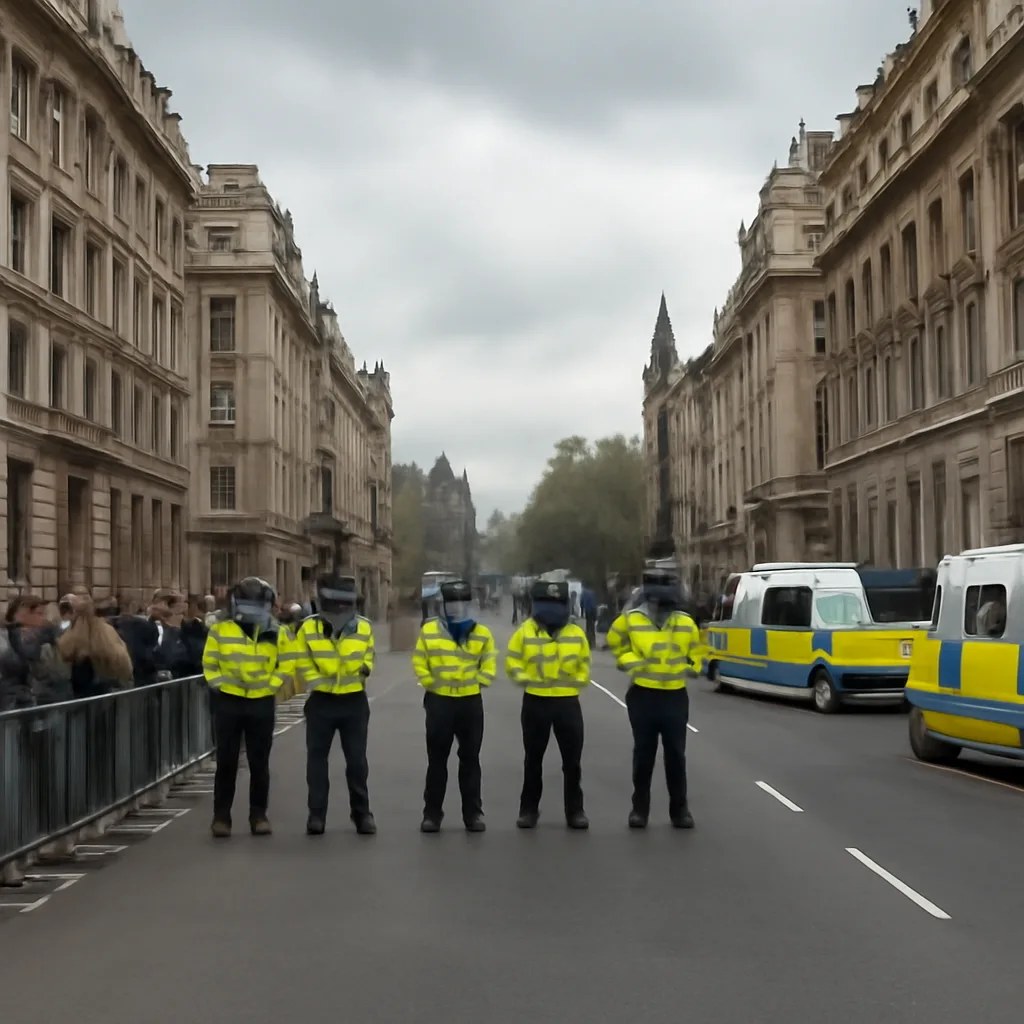
Police cordon and emergency vehicles outside central London landmark with officers controlling pedestrian access and a cleared street.

On September 21, 2017, a terror alert prompted the evacuation of several central London landmarks and heavy police activity as authorities investigated a suspected threat. Transport and public sites were disrupted while security services assessed the situation.


On 21 September 2017 London experienced a heightened security incident when a suspected terror alert led to the evacuation of multiple central landmarks and significant police presence. The response centred on swift cordons and precautionary clearances while specialist units examined the scene and searched for any viable threat. Public transport and pedestrian access in affected areas were temporarily disrupted as officers advised people to avoid the locations and follow formal instructions.

Officials treated the incident with urgency, deploying counterterrorism and explosives specialists alongside uniformed officers. Key sites were cleared to allow controlled searches and to reduce the risk to the public while forensic and bomb-disposal teams checked for suspicious items. Media coverage at the time showed roads closed and crowds held back behind police lines, with authorities urging calm and cooperation.

The evacuation reflected post-2017 UK counterterrorism protocols that prioritize rapid cordoning and specialist examination of potential threats. Such responses aim both to protect the public and to preserve evidence should a criminal investigation be required. Police statements during similar incidents typically confirm the affected locations and advise on transport impacts; where a live suspect is involved, operations expand to include firearms officers and coordination with national security agencies.

Disruption from the September 21 alert included delays and temporary suspensions on nearby transport routes and constrained access to public spaces. Businesses and tourists around the cleared zones were affected; some venues remained closed until authorities declared the area safe. Local government and transport operators usually release updates during these incidents to help the public plan alternative routes.

Investigations after such alerts focus on establishing whether the incident was a credible attack, a hoax, or a benign item misinterpreted as dangerous. If no device or perpetrator is found, police may conclude after a period of search and assessment that there is no longer a threat and lift cordons. If evidence of criminality emerges, investigations proceed with interviews, CCTV analysis and, where necessary, arrests.

Public messaging in the hours following the evacuation emphasised vigilance and cooperation with police. Residents and visitors were advised to follow official channels for information and to report suspicious activity. In the absence of confirmed casualties or a completed attack, authorities typically provide a timeline and summary once inquiries are complete.

This incident sits within a broader pattern of elevated security measures at major public sites in London, prompted by previous attacks in the city and elsewhere. Such measures have shaped how police and emergency services manage perceived threats, balancing rapid protective action with the need to minimize unnecessary alarm and disruption.

No fabricated statements or unverified attributions are included here. Where official determinations (for example, whether the alert resulted from a device, a hoax, or a false alarm) are not publicly recorded in primary sources available at the time of writing, this summary does not assert a specific conclusion and limits itself to describing the operational response and typical investigative steps.

Share this

Email Share on X Facebook Reddit

Did this surprise you?