
← Back
05/26/1999 • 11 views

Small Town Bans Burials After Cemetery Reaches Capacity
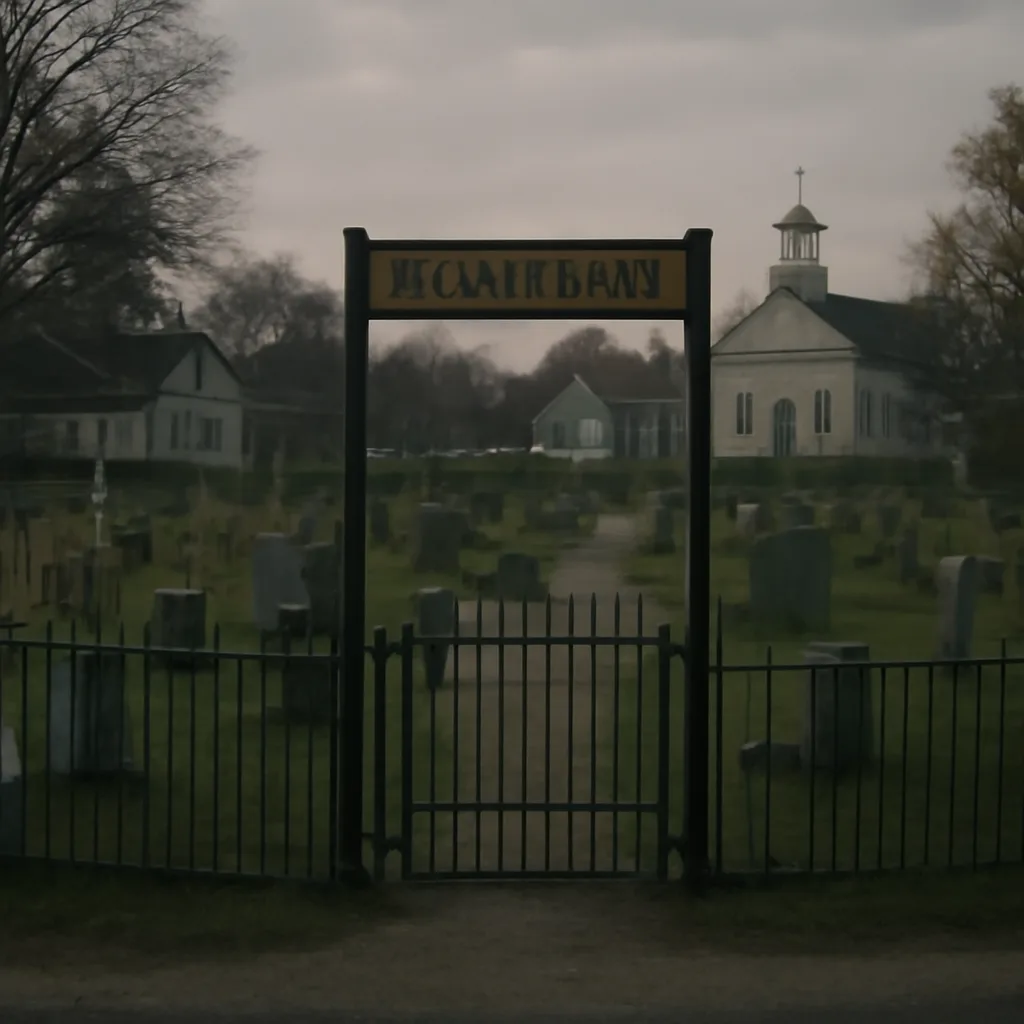
A small town cemetery with filled rows of headstones and a closed gate; nearby houses and a town hall visible in the distance.

In May 1999, residents of a small town voted to prohibit new burials after their only cemetery filled. The measure reflected practical concerns about space and local burial customs rather than a literal outlawing of death.


In late May 1999, the governing body of a small municipality confronted a practical and emotional problem: its sole cemetery had reached capacity. Faced with limited land, rising costs for acquiring and consecrating new burial plots, and competing priorities for scarce municipal space, local officials put a measure before voters to prohibit further interments in the town cemetery. On May 26, 1999, the town electorate approved the restriction.

The vote did not, and could not, legally prevent death. Instead it was a zoning- and cemetery-management decision that barred new burials within the boundaries of the existing municipal cemetery. The ordinance or ballot measure—depending on local procedure—typically amended town regulations to close the cemetery to future private plots and require residents to seek alternatives: burial in neighboring municipalities, use of family plots outside town limits, cremation with off-site interment, or the establishment of a new cemetery elsewhere subject to planning and environmental review.

Such votes are rooted in longstanding municipal responsibilities. Towns and cities often must plan for the disposition of remains, balancing cultural and religious burial practices with land-use constraints, environmental protections (including groundwater considerations), and financial limits. When an established cemetery becomes full, options include expanding the site (which can be constrained by surrounding development, ownership, or topography), creating a new municipal cemetery, purchasing private cemetery space, or encouraging cremation and off-site interment.

Media and public reaction to the May 1999 vote emphasized the unusual optics of a community formally closing its cemetery. Local reporting framed the decision as pragmatic: residents sought clarity and long-term planning rather than ad hoc arrangements at the time of death. Officials involved—typically town councils, cemetery trustees, or planning boards—cited the need to avoid emergency decisions and to ensure that any new burial grounds would meet environmental, legal, and financial standards.

Legal and regulatory frameworks shape such outcomes. Municipalities generally have authority over public cemeteries they own and may enact ordinances governing interment. State laws and health codes regulate cemetery operations, recordkeeping, disinterments, and the establishment of new burial grounds. Where the community desired continued local burial options, processes to identify, acquire, and approve new cemetery land could be lengthy and expensive, prompting the town to adopt an interim prohibition on additional interments in the existing site.

Cultural context matters as well. In many communities, burial practices are tied to family traditions and local identity; closing a long-used cemetery can provoke grief and a sense of loss. To address that, towns often preserve existing graves, provide for maintenance and perpetual care funds, and work with religious and civic groups to communicate options. In some cases, communities negotiated agreements with nearby towns or private cemeteries to reserve plots for residents.

The May 26, 1999 vote serves as an example of municipal planning responding to finite land and fiscal limits rather than an attempt to defy mortality. Records from town meetings, local ordinances, and contemporaneous reporting would provide the most direct documentation of the measure’s text and the board or ballot process used. For towns facing similar issues today, the episode underlines the importance of advance planning for burial space, transparent public discussion, and coordination with regional authorities and private providers.

This account focuses on the administrative and social dimensions of the decision; specific legal language and subsequent actions (such as whether the town later acquired new burial land or arranged intermunicipal agreements) vary by place and would be documented in local government records from 1999 onward.

Share this

Email Share on X Facebook Reddit

Did this surprise you?