
← Back
05/26/2014 • 11 views

Man Survives 18 Hours at Sea by Clinging to Floating Refrigerator
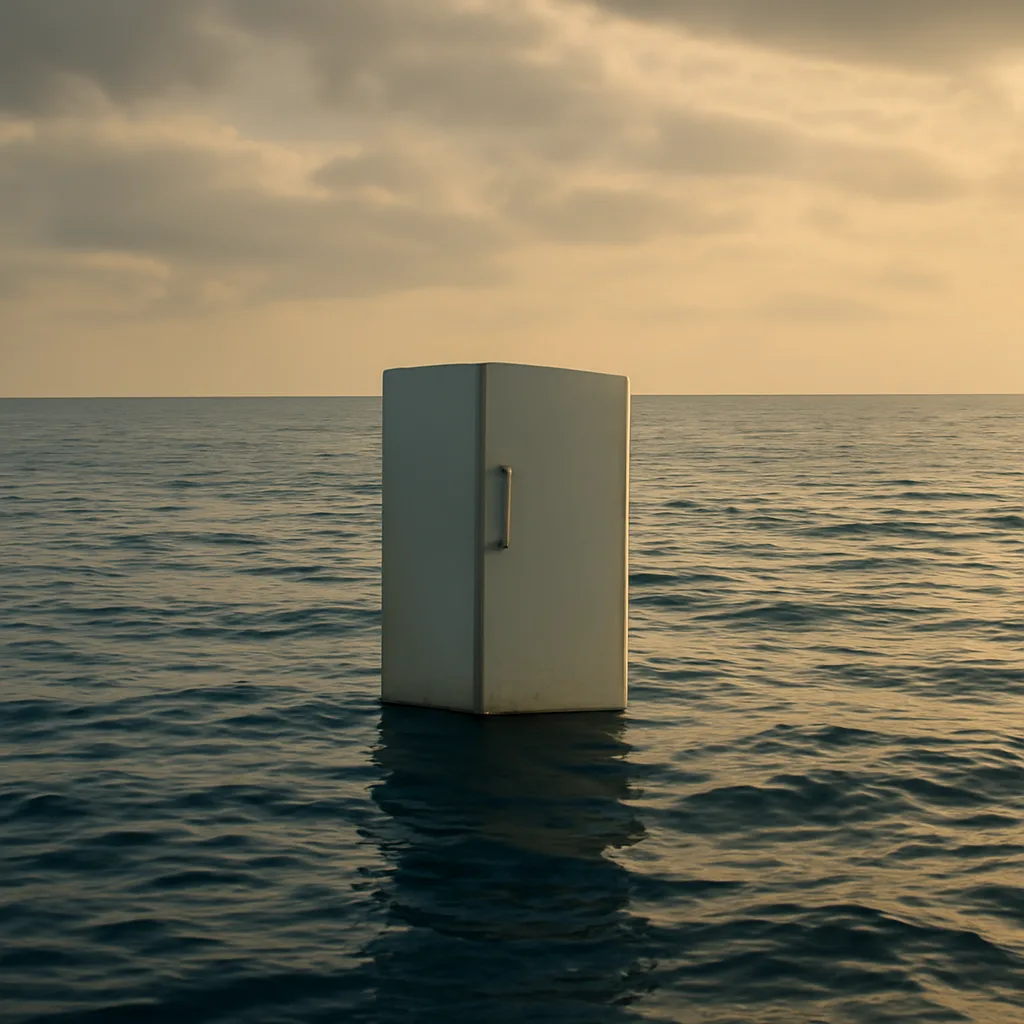
A refrigerator floating on open ocean waters at sunset, surrounded by gentle waves; no people visible.

A man survived roughly 18 hours adrift in the Pacific Ocean after clinging to a floating refrigerator that acted as an improvised life raft until he was rescued. He was found alive but exhausted and treated for exposure and dehydration.


On May 26, 2014, a man was rescued after spending approximately 18 hours adrift in the Pacific Ocean while clinging to a refrigerator that had been displaced into the water. The incident drew attention for the unusual improvised flotation device and for the rarity of surviving such an extended period in open water.

According to contemporaneous news reports, the survivor was aboard a small vessel that encountered trouble, or was otherwise separated from his boat; exact details of the initial mishap vary across accounts. The refrigerator—likely from coastal debris or cargo washed overboard—remained buoyant and provided enough support for the man to keep his head above water for the duration. He maintained his grip until a passing ship or rescue vessel located and recovered him.

Medical responders treated the man for exposure, dehydration and fatigue. Surviving nearly a day in the ocean carries risks including hypothermia, saltwater ingestion, sunburn, and physical exhaustion; that he endured 18 hours speaks to a combination of luck, the buoyancy of the appliance, and his ability to conserve energy. Reports did not indicate that he required prolonged hospitalization, but he did receive immediate medical care after rescue.

Authorities investigated the circumstances, including how the refrigerator entered the water and whether safety procedures were followed by the vessel involved. The event highlighted broader maritime-safety issues: the dangers posed by floating debris, the importance of lifejackets and proper emergency equipment, and the need for prompt reporting and search efforts when someone goes overboard.

Eyewitness accounts and local news coverage formed the basis of reporting on the case; some details—such as the exact cause of the initial separation from the boat and the identity of the rescuing vessel—were inconsistent across sources. That ambiguity is common in early reporting of marine rescues, where limited information and chaotic conditions can produce differing versions of events.

The story became notable in media coverage because it combined an uncommon survival circumstance with a memorable visual: a person clinging to a household appliance in open water. It also served as a reminder that improvised flotation can sometimes save lives, but that relying on such luck is far from safe. Maritime authorities continue to recommend wearing lifejackets, maintaining communication equipment, and avoiding risky behavior at sea to reduce the likelihood of similar incidents.

While extraordinary, this case is part of a small set of documented survivals in which nonstandard flotation—ranging from cargo crates to tree trunks—has kept people afloat until rescue. Each case offers lessons for emergency preparedness, response coordination, and public awareness about the hazards of marine debris and the critical importance of being prepared when venturing onto open water.

Share this

Email Share on X Facebook Reddit

Did this surprise you?