
← Back
01/05/2014 • 4 views

Cricketer Collapses After Overzealous Century Celebration
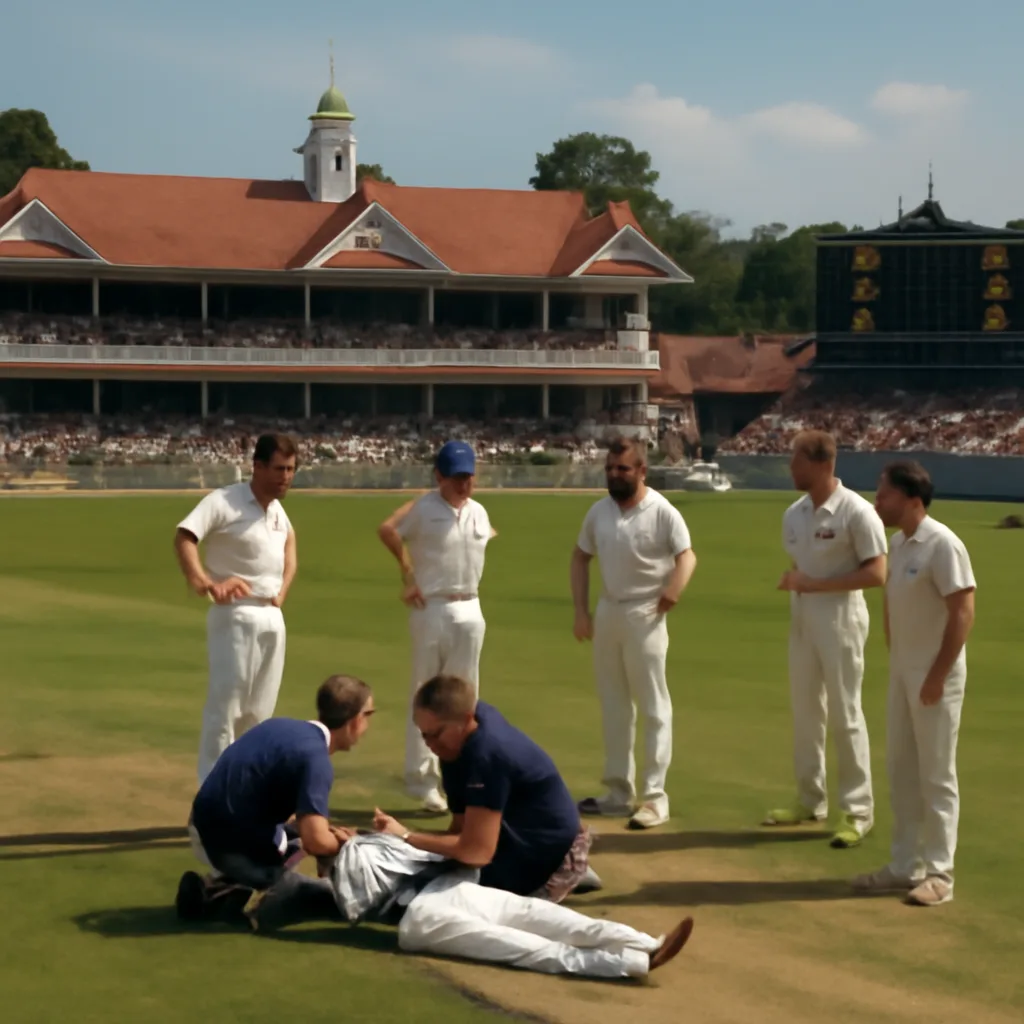
A cricket ground showing players gathered near the pitch with medical staff attending to a player on the turf after a match interruption.

During a match on 5 January 2014, a batsman who had just reached a century fainted after celebrating too vigorously. Medical staff attended and the player recovered; officials later described the incident as exhaustion and dehydration.


On 5 January 2014, a cricket player who had just reached a century fainted shortly after an exuberant on-field celebration. The incident occurred immediately following the batsman’s hundred; teammates and match medical staff rushed to assist and the player was taken off the field for assessment.

Contemporary reports and team statements indicated that the collapse was not the result of a collision or on-field injury but followed an intense burst of physical activity and adrenaline. Team medical personnel examined the player and provided fluids and rest. The player regained consciousness and was reported to be in stable condition. Match officials allowed play to continue once the player’s immediate needs were addressed and the team confirmed no ongoing medical emergency.

Medical experts note that sudden fainting (syncope) after strenuous exertion can have several causes, including dehydration, low blood sugar, abrupt changes in blood pressure, hyperventilation, or an exaggerated vagal response triggered by intense emotion and rapid exertion. In outdoor sports such as cricket, heat and humidity can increase the risk of dehydration and heat-related illness, which may contribute to fainting. No publicly verified medical diagnosis beyond initial treatment was released by the team or venue medical staff at the time.

The incident prompted reminders from cricket boards and team medical staff about player welfare: the importance of adequate hydration before and during play, monitoring players for signs of heat stress, and ensuring quick access to medical care. Celebratory behaviour in sport, while emotionally significant, can momentarily combine intense physical exertion with raised adrenaline and sudden changes in breathing and posture—factors that can precipitate fainting in susceptible individuals.

This event drew media attention because it followed a high point for the batsman and underscored the narrow margin between athletic exhilaration and physiological overload. There were no widely reported long-term consequences from the episode, and the player returned to cricketing activities after clearance from medical staff. Match reports from the day concentrated on both the sporting achievement and the subsequent medical interruption.

While such incidents are uncommon at professional levels due to medical screening and on-site care, they are not unprecedented. Sports medicine guidance emphasizes gradual exertion, attention to hydration and nutrition, and post-exertion recovery—especially in hot conditions—to reduce the risk of syncopal events. In cases where fainting occurs, teams typically follow established concussion and medical protocols to rule out underlying causes and ensure athlete safety before resuming play.

No independent peer-reviewed medical report specific to this incident has been published in the public domain; reporting at the time relied on team statements and match-day medical assessments. As with many single-match medical events, publicly available information focuses on immediate response and recovery rather than detailed diagnostic follow-up, which is commonly kept private between player and medical staff.

Share this

Email Share on X Facebook Reddit

Did this surprise you?