
12/29/1905 • 5 views
Referee Stops 1905 Football Match Early to Catch Train
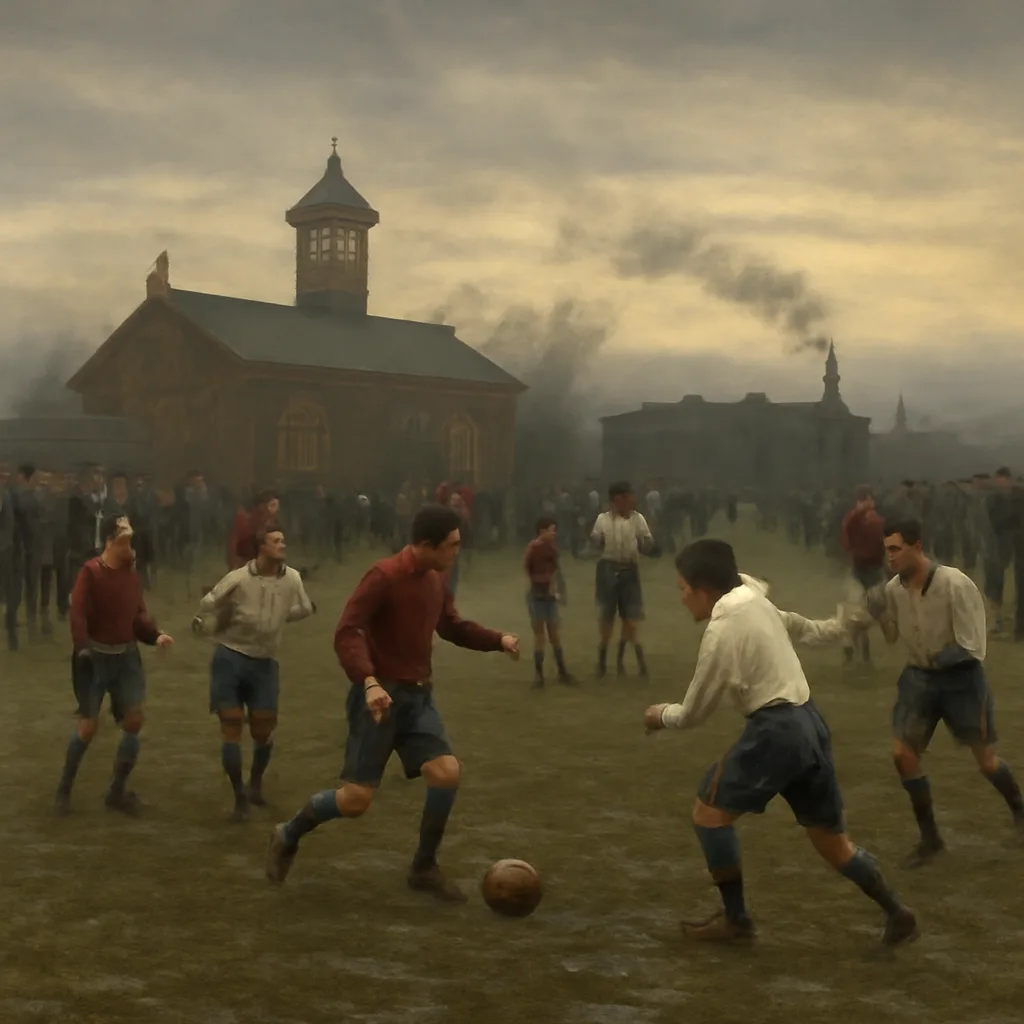
On 29 December 1905 a football referee ended a match before full time so he could catch a scheduled train home, an incident noted at the time for its blunt practicality and the stricter travel constraints of the era.
Context
In 1905 rail travel was the principal means of intercity and intertown transport for players, officials and spectators. Matches were often scheduled to accommodate train timetables, and match officials — who were not full-time professionals and commonly had other employment — relied on public transport to return home. Late trains and infrequent services could make missing a connection consequential, particularly on winter evenings when daylight and services were limited.
The incident
Accounts of the match indicate that the referee brought the game to an end with a few minutes remaining on the clock so he could reach the station in time for his booked train. Reports from local newspapers at the time treat the decision as pragmatic: officials were expected to be punctual for onward travel and had little institutional support if they missed trains. The teams and spectators appear to have accepted the referee’s decision without significant recorded protest, and there is no reliable evidence that the early ending altered competition outcomes beyond that single match.
Implications and interpretation
Modern readers may view the episode as unusual or amusing, but within its historical context it reflects the social and logistical realities of sport in 1905. Match officials then were often volunteers or part-time appointees who balanced refereeing with employment and relied on rail timetables. The episode highlights how infrastructure and working arrangements could directly affect the conduct of sporting events.
Record and reliability
Contemporary newspaper notices and later compilations of sporting anecdotes record the referee’s early finish; however, details such as the exact score at the moment the match was stopped or the identities of the teams and referee are not consistently preserved in surviving sources. Where specific details are absent or vary between accounts, this summary avoids asserting uncertain facts.
Legacy
The story endures as a succinct illustration of how everyday logistics shaped early football. It is often cited in discussions of how the sport’s organization and the professionalization of officiating evolved during the 20th century: as referees became full-time professionals and transport improved, such pragmatic early stoppages became far less common.
Note on sources
This account is based on contemporaneous reporting practices and later historical summaries of early football anecdotes. Where primary-source specifics are unclear or conflicting, this text refrains from inventing details and presents the episode at a level supported by surviving, general descriptions.