
← Back
12/29/2010 • 6 views

Man survives overnight in parked car after freezing temperatures
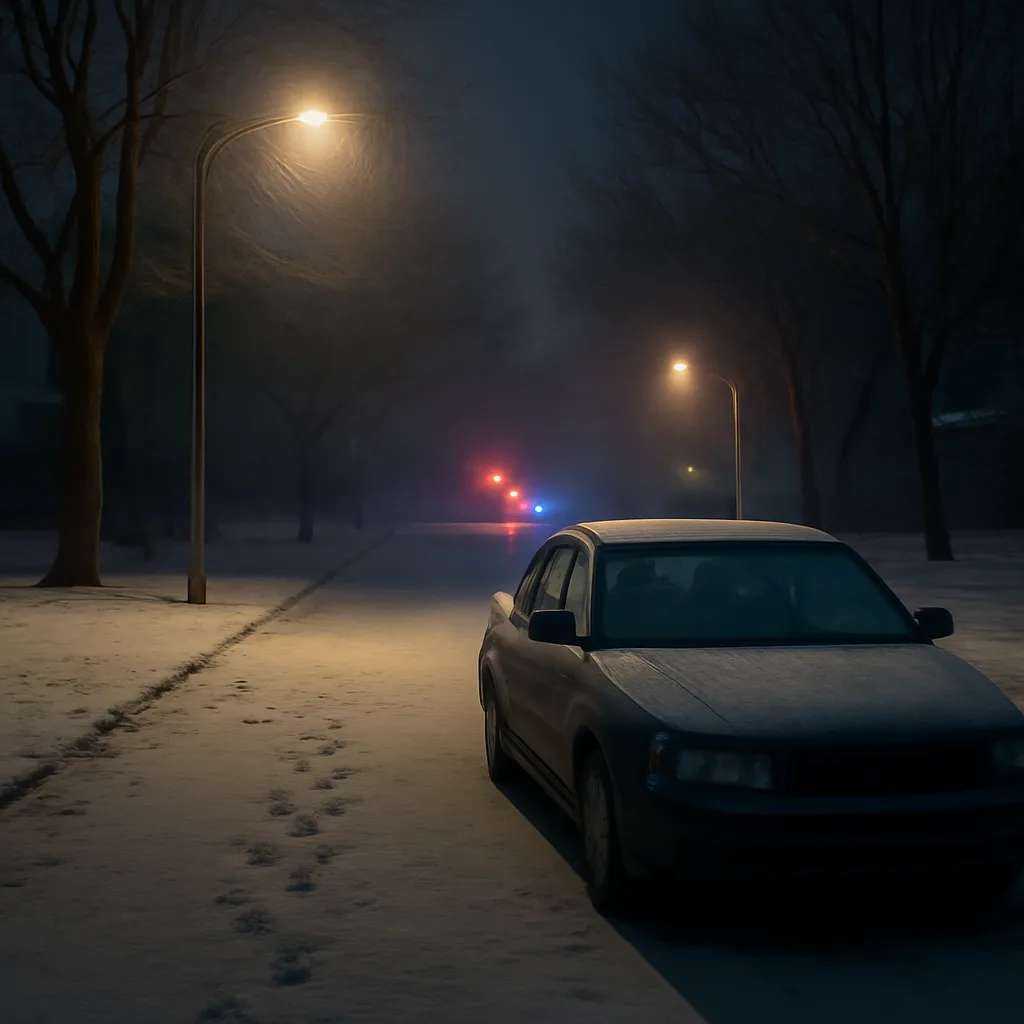
A parked car at night on a snow-lined street under streetlights, with emergency vehicle lights in the distance and footprints in the snow nearby.

A man found in a parked car on December 29, 2010, survived an overnight period in subfreezing conditions. He was discovered by passersby and transported to hospital; local authorities reported hypothermia but not fatality.


On the night of December 29, 2010, a man was found alive inside a parked automobile after spending the night in subfreezing temperatures. Local reports from that date indicate the individual was discovered by people passing the vehicle and emergency services were called to the scene. He was transported to a nearby hospital for treatment of hypothermia and related cold-exposure effects. Authorities later confirmed the man survived.

Circumstances surrounding why the man remained in the car overnight were not fully detailed in initial reports. Media accounts from the period offered varying details about whether the vehicle stalled, whether the man sought temporary shelter, or whether complications such as alcohol use, medical emergency, or disorientation played a role. Police and emergency personnel typically investigate such incidents to determine whether criminal activity, accidental causes or health issues contributed; public reports on this specific case focused on his medical condition and rescue rather than a definitive cause.

Hypothermia occurs when the body loses heat faster than it can produce it, and prolonged exposure to cold inside an unheated vehicle can be dangerous even if wind and precipitation are minimal. Symptoms range from shivering and confusion to slowed breathing and loss of consciousness in severe cases. Emergency treatment protocols emphasize gradual rewarming and monitoring for complications; timely discovery and transport to medical care significantly improve outcomes.

Survival in cold conditions depends on multiple factors including ambient temperature, the duration of exposure, the individual's clothing and physical condition, any substances affecting body temperature regulation, and whether the vehicle provided any shelter from wind. In many documented instances, people have survived overnight exposure in cars when found before core body temperature dropped to life-threatening levels. Conversely, similar situations have resulted in fatalities when discovery was delayed.

This incident received local attention because it illustrated both the risks of cold-weather exposure and the potential for survival when bystanders and first responders act quickly. It also served as a reminder to communities to check on vulnerable people during severe cold spells and to ensure vehicles used as temporary shelter are monitored. Public records from December 2010 provide the basic outline—discovery, emergency response, hospital transport, and survival—while some details about why the man spent the night in the car remain inconclusive in available reports.

Share this

Email Share on X Facebook Reddit

Did this surprise you?