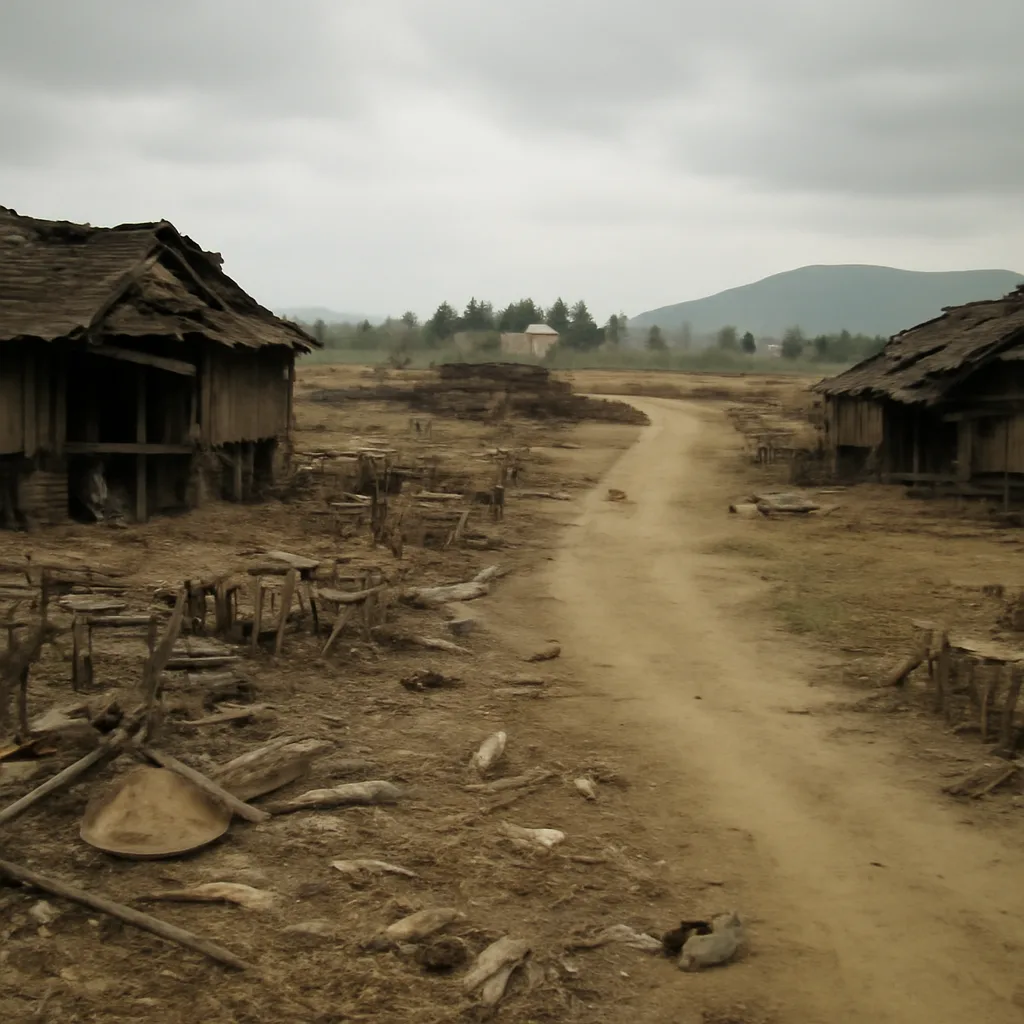
On August 12, 1969, news that U.S. Army personnel had killed hundreds of Vietnamese civilians in the village of My Lai became widely known, prompting national outrage, congressional inquiries, and renewed debate over the Vietnam War.
On November 12, 1969 — following investigative reporting that began earlier in the year and legal developments in August — the details of the My Lai massacre, in which U.S. soldiers killed hundreds of unarmed Vietnamese civilians in March 1968, entered the broader American public consciousness. The disclosure traced back to whistleblowing, military inquiries, and persistent journalism that forced the Army and the Nixon administration to confront allegations of widespread civilian killings in the village of My Lai (also known as Son My) in Quang Ngai Province.
Chronology and disclosure
Investigative reporting by journalist Seymour Hersh, based on interviews and leaked Army documents, played a key role in bringing the event to national attention in November 1969, after a period in which military investigations had produced limited public disclosure. The earlier date of August 12, 1969, noted in some records, refers to steps in the legal and investigative timeline — including charges filed and internal military actions — that preceded Hersh’s public report.
Scope and consequences
Army investigators concluded that elements of Charlie Company, 1st Battalion, 20th Infantry Regiment, 11th Infantry Brigade, 23rd (Americal) Division, had massacred hundreds of civilians and destroyed property during operations on March 16, 1968. Estimates of the number killed vary by source; the Army’s own inquiries documented hundreds of victims, and later historical research has typically cited figures in the several hundreds. The exposure of the massacre triggered court-martial proceedings against a small number of officers and enlisted men; the most prominent was Lieutenant William L. Calley Jr., who was convicted of murder in 1971 but had his sentence commuted and was released after serving a portion of it amid widespread controversy.
Public reaction and political impact
Once public, news of My Lai intensified domestic opposition to the Vietnam War and raised urgent questions about military conduct, civilian protection, and command responsibility. Congressional hearings and media coverage probed how reports of the killings had been handled by military authorities and how such atrocities could occur within the U.S. armed forces’ chain of command. The event became a focal point in debates over rules of engagement, military discipline, and the ethical conduct of warfare.
Legal and moral legacy
The My Lai revelations led to reforms in military training on the laws of armed conflict and contributed to broader congressional and public scrutiny of wartime practices. The limited number of convictions, the commutation of Calley’s sentence, and disagreements over accountability generated lasting contention. For many historians, My Lai exemplifies how battlefield violence, inadequate oversight, and attempts to conceal wrongdoing can produce severe violations of civilian protection.
Ongoing historical assessment
Scholars continue to study My Lai using declassified documents, survivor testimony, and contemporary reporting. Precise casualty counts and some details of the operation remain subjects of research and, at times, dispute. Nonetheless, the essential finding — that a large-scale killing of unarmed civilians by U.S. soldiers occurred and was for a time obscured from public view — is robustly supported by multiple primary sources and military investigations.
Contextual note on dates
The user-provided date August 12, 1969, refers to a point in the process by which the massacre moved through military and legal channels toward public exposure; the most consequential public revelations and media reports that brought My Lai to national attention appeared in November 1969. Both sets of dates are relevant to the timeline of disclosure and accountability.