
← Back
02/20/2020 • 7 views

Vatican Opens World War II Archives to Scholars
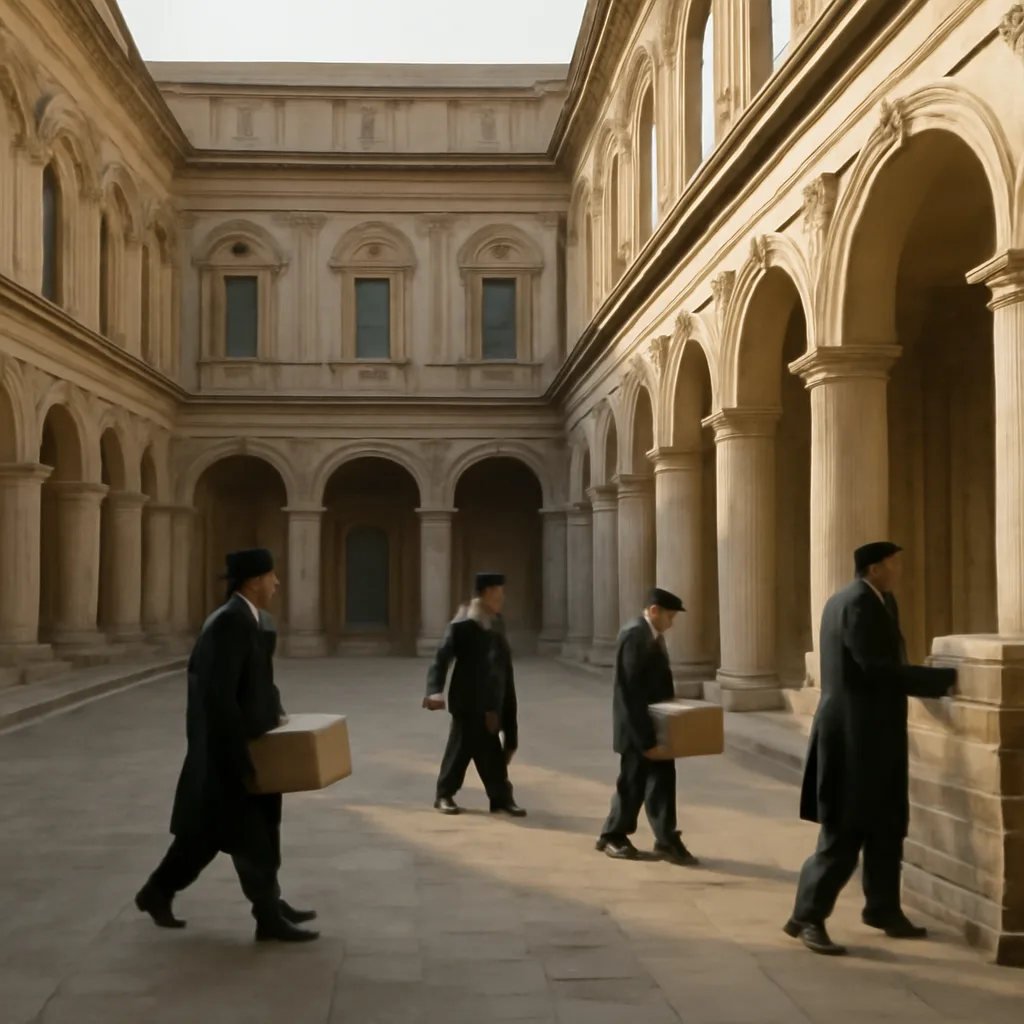
Exterior of the Vatican Apostolic Archive building and courtyard seen from a distance, with classical architecture and stacks of archival boxes visible inside through a reading-room window.

On 20 February 2020 the Vatican formally opened its Second World War archives to researchers, promising access to millions of documents from Pope Pius XII’s pontificate and related Vatican offices. The release aims to deepen historical understanding of the Holy See’s wartime actions and controversies.


On 20 February 2020 the Vatican announced that it was opening the archival holdings for the pontificate of Pope Pius XII (1939–1958) to qualified researchers. The move made available records from the Secretariat of State and related dicasteries for the years covering World War II, a period that has long been the subject of intense scholarly interest and public debate.

Scope and contents
The opened materials are part of the Vatican Apostolic Archive (formerly known as the Vatican Secret Archives) and principally cover the years of Pius XII’s pontificate. Holdings include diplomatic correspondence, reports from nunciatures (Vatican diplomatic missions), internal memoranda, and other documents generated by Vatican offices that dealt with wartime diplomacy, humanitarian activities, and relations with belligerent and neutral states. The archive’s materials reflect the Vatican’s dual role as a spiritual authority and a diplomatic actor with global ties during the conflict.

Access and procedures
Access to the Pius XII archive was permitted to accredited historians and qualified researchers under standard archival regulations: appointment-based consultation in the archive reading rooms in the Vatican, use under supervision, and handling rules to preserve fragile documents. Some materials remain restricted for reasons such as privacy or cataloguing; researchers are expected to follow archival protocols and any applicable Vatican guidelines on publication and citation.

Scholarly and public significance
The opening was widely framed as an opportunity to advance historical knowledge and settle longstanding questions about the Vatican’s wartime conduct, especially regarding its responses to Nazi atrocities, the Holocaust, and the plight of refugees and Jews. Scholars anticipated that the documents would clarify the actions, constraints, and motivations of Pope Pius XII and Vatican diplomats, while also yielding new data for studies of wartime diplomacy, humanitarian relief, and Church-state relations.

Debates and limitations
Historians have cautioned that archival access alone does not guarantee immediate consensus. Interpretations depend on the context provided by complementary archival collections in other countries, the condition and completeness of the Vatican files, and the time needed to catalogue and translate materials. Some files were reported to require extensive review before full public release. Additionally, while many researchers welcomed the opening as a step toward transparency, proponents and critics of Pius XII’s wartime record have different expectations about what the files will reveal. Thus, findings from the archives have the potential to confirm, nuance, or complicate existing narratives rather than produce a single definitive judgment.

Follow-up and ongoing research
Since the opening, teams of historians from multiple countries have undertaken projects making use of the documents. Published articles, monographs, and conference presentations have begun to appear as scholars work through the holdings. The Vatican has continued to manage access and processing of the collections, and further releases or reclassifications of material remain possible as cataloguing continues.

Context for readers
The decision to open the Pius XII-era archives followed calls from historians, Jewish organizations, and others for greater transparency about the Vatican’s wartime role. Pius XII’s papacy overlapped with some of the most consequential diplomatic and humanitarian crises of the 20th century, and research based on primary sources is crucial to understanding the Church’s actions, constraints, and influence during that era. The opened archives constitute a major resource for scholarship but not an immediate or unilateral resolution of longstanding debates.

Share this

Email Share on X Facebook Reddit

Did this surprise you?