
09/26/2001 • 4 views
Congress Enacts Patriot Act as Nation Reels from Sept. 11 Attacks
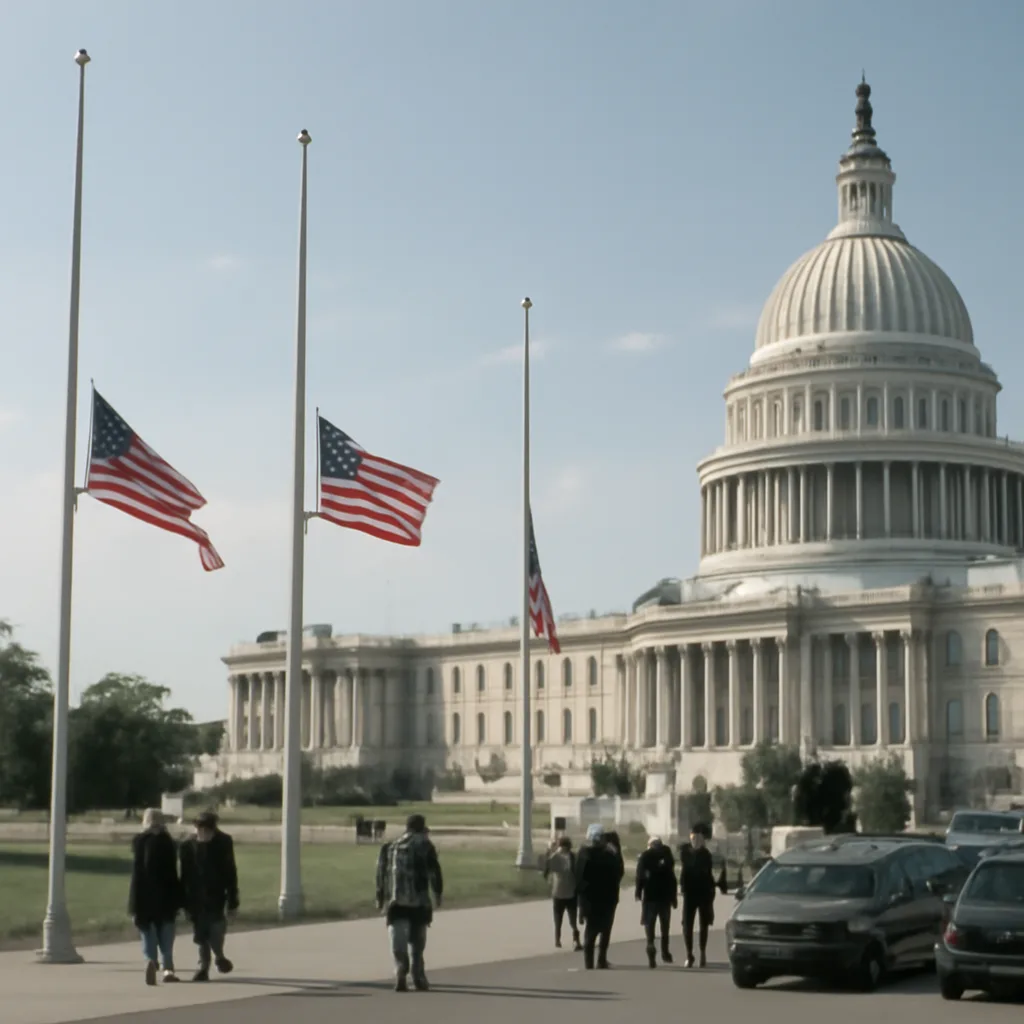
On Sept. 26, 2001, Congress passed the USA PATRIOT Act in response to the September 11 terrorist attacks, expanding federal surveillance and law-enforcement authorities amid urgent calls to prevent further attacks and concerns about civil liberties.
The measure bundled numerous changes to federal criminal law, intelligence-gathering, and information-sharing authorities. Provisions expanded the government’s ability to conduct surveillance and intercept communications, eased the sharing of information between law-enforcement and intelligence agencies, broadened the use of wiretaps and warrants for electronic communications, and created or adjusted offenses related to terrorism financing, immigration, and material support for terrorist groups. Lawmakers and administration officials argued these changes were necessary to close gaps revealed by the attacks and to enable more effective prevention of future attacks.
The bill’s rapid movement through Congress reflected the political and public climate: bipartisan majorities in both the House and Senate voted for the legislation amid widespread fear and a national demand for decisive action. Supporters said the measure provided essential tools to disrupt terrorist plots and strengthen coordination among agencies. Critics — including civil liberties groups, some legal scholars, and a smaller number of legislators — warned that several provisions risked eroding constitutional protections, such as privacy and due process, and could be subject to abuse without robust oversight.
Key elements that generated sustained debate included expanded authority for roving wiretaps (allowing surveillance that follows a target across multiple communication devices), broader use of “sneak and peek” search warrants that permit delayed notification to a subject, and the easing of requirements for obtaining business records and other tangible items under subpoena. The act also modified standards for sharing grand-jury and intelligence information, and it enhanced penalties for terrorism-related crimes and for providing material support to designated organizations.
Implementation of the law prompted legal challenges and scrutiny in subsequent years. Courts, advocacy organizations, and lawmakers would revisit various provisions, arguing over appropriate balances between national security and civil liberties. Some provisions were subject to sunset clauses or later amendments; others were reauthorized, broadened, or curtailed through litigation and legislation in the decades that followed.
The passage of the Patriot Act marked a significant shift in U.S. counterterrorism policy and public debate. It reflected the urgency and fear of the immediate post-9/11 period, produced tangible changes in government power and investigative practice, and set the stage for long-running national conversations about oversight, transparency, and the protection of individual rights during efforts to combat terrorism.