
02/17/1911 • 6 views
First known use of the electric chair outside the U.S. recorded
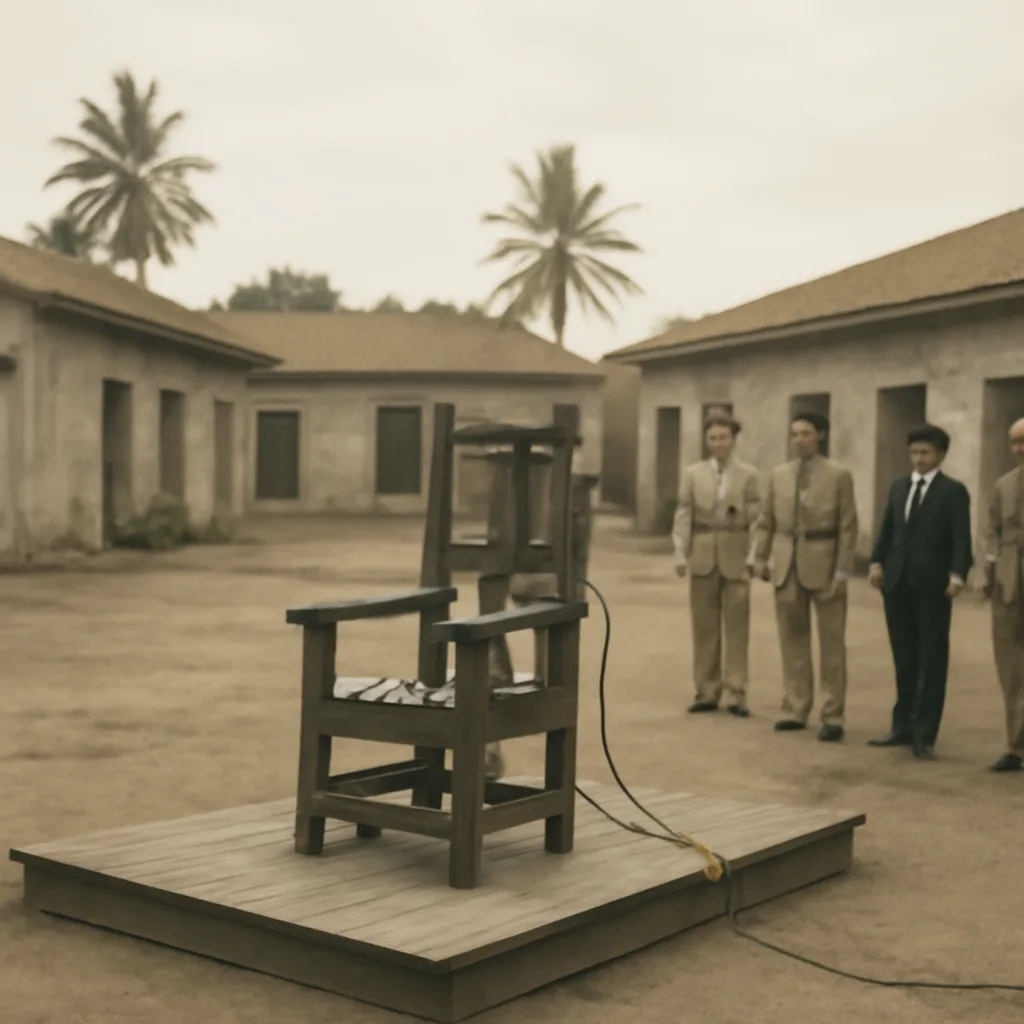
On 17 February 1911, authorities in the Philippines—then an American colonial possession—used an electric chair to execute a condemned man, marking the first documented execution by electric chair outside the United States.
Background
After the Spanish–American War (1898) and the subsequent Philippine–American War, the United States exercised sovereignty over the Philippines. American colonial officials reorganized courts and penal institutions and introduced legal practices borrowed from the U.S. system. Electrocution had been adopted as a method of execution in several U.S. states beginning in the 1890s, and American administrators brought that technology and protocol to colonial prisons.
The 17 February 1911 execution
Contemporary Philippine and U.S. press reported that the execution by electric chair occurred on 17 February 1911. Reports indicate the apparatus and procedures were modeled on U.S. practice: a specially constructed chair at a penal facility and use of electrical equipment to carry out the sentence. Because the Philippines were a U.S. possession at the time, this event is generally treated in historical literature as the first use of electrocution outside the territorial United States, though it occurred under U.S. colonial authority rather than in an independent foreign state.
Context and significance
The event illustrates how colonial governance exported not only laws but also penal technologies. Electrocution was promoted in the U.S. as a modern, efficient, and more humane alternative to hanging; colonial authorities adopted it as part of efforts to modernize penal administration. The execution in the Philippines underscores the transnational flow of penal ideas and the role of imperial administrations in disseminating such practices.
Sources and caveats
Contemporary newspaper accounts from both Philippine and U.S. presses provide the primary documentation for the 17 February 1911 electrocution. Secondary historical works that examine capital punishment and colonial legal history reference this case when discussing the international spread of the electric chair. Some details—such as variations in the spelling of the condemned man’s name, precise technical specifications of the apparatus used, and the complete court record—are unevenly reported across sources; scholars note these discrepancies and rely on archival newspapers and colonial administrative records for verification. Because the Philippines were an American colony at the time, historians qualify the claim as the first recorded use of the electric chair outside the United States proper but under U.S. authority.
Aftermath
Electrocution remained part of the penal repertoire in the Philippines under American rule for the remainder of the colonial period, though other methods and legal reforms continued to evolve. The 1911 execution remains a point of reference in histories that trace how methods of punishment moved across borders through imperial institutions and legal transplantation.