
02/17/1911 • 6 views
First Use of the Electric Chair Abroad: Trinidad and Tobago’s 1911 Execution
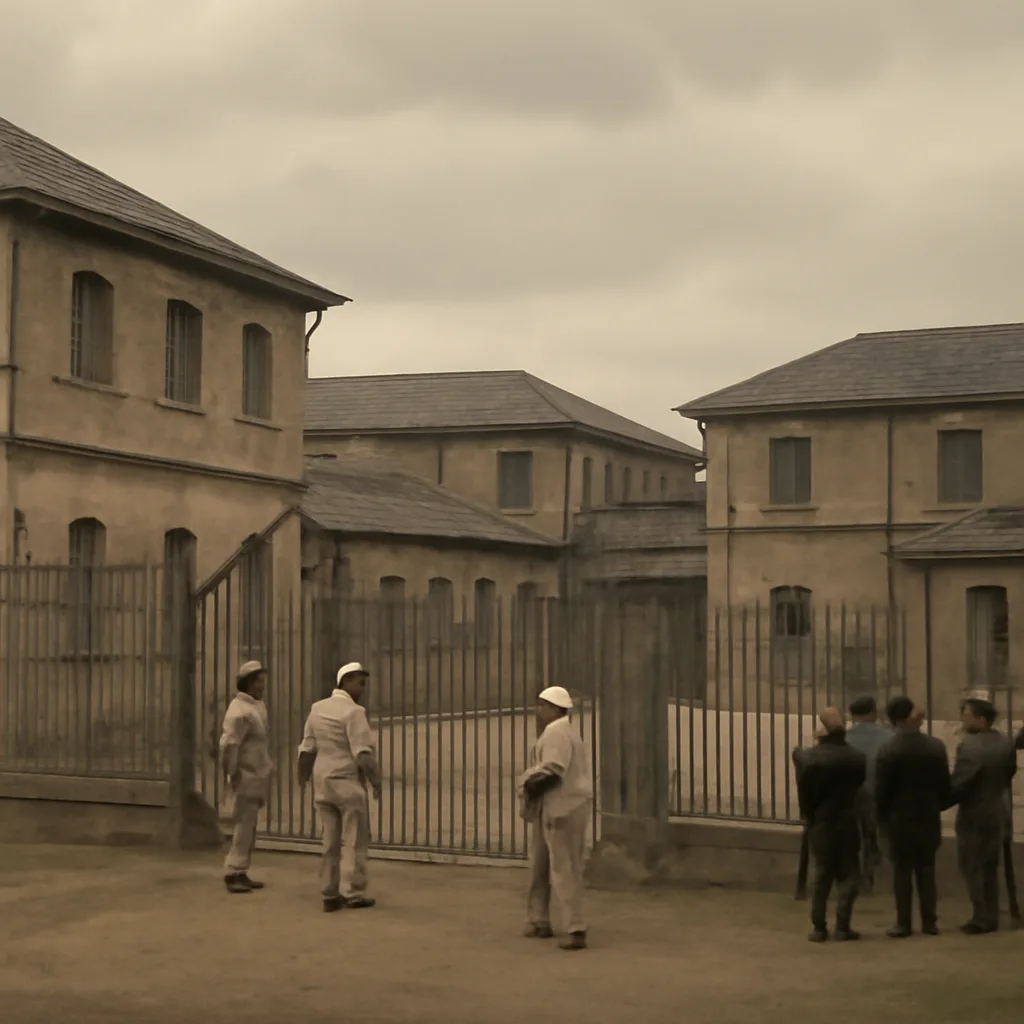
On February 17, 1911, Trinidad and Tobago carried out what is widely reported as the first execution by electric chair outside the United States, marking a rare early export of American capital punishment technology within the British colonial world.
Background: The electric chair was developed in the United States in the 1880s as a purportedly more humane alternative to hanging. By the early 20th century it had become established in several U.S. states. Knowledge of the device and the techniques associated with electrocution spread beyond the U.S. through legal, medical and colonial administrative networks. In British colonies, hanging remained the standard method of execution, but local authorities sometimes adopted alternative technologies when presented as modernizing or more efficient.
The 1911 event: Details in contemporary Trinidadian and British colonial records, as well as newspaper reports of the period, indicate that an execution by electric chair occurred on 17 February 1911 in Trinidad. Reporting at the time emphasized the novelty of the method in a colonial setting and attracted attention both locally and in Britain. Sources describe the setup and the presence of officials overseeing the procedure; however, records vary on some procedural specifics and on the extent of debate within colonial administration about adopting electrocution.
Context and significance: The execution is notable for several reasons. First, it demonstrates how penal technologies could move across national borders, especially within the networks of empire and through contact with U.S. experts and equipment suppliers. Second, it highlights tensions in colonial governance between maintaining established practices and adopting innovations presented as modern or scientific. Third, the Trinidad case is often cited in histories of capital punishment as the earliest recorded instance of electrocution performed outside the United States, though historians caution that reporting standards and surviving records from the era can be uneven.
Limitations and sources: While contemporary newspapers and some colonial dispatches report the 17 February 1911 electrocution in Trinidad, surviving primary documents are incomplete. Some later secondary accounts repeat the claim that this was the first extraterritorial use of the electric chair; historians rely on cross-checking colonial correspondence, local press, and British Home Office records to assess accuracy. No widely accepted competing earlier example has been documented in the scholarly literature, but the historical record remains open to revision should new primary sources emerge.
Aftermath: The use of electrocution in Trinidad did not precipitate widespread adoption of the electric chair across the British Empire. Hanging remained the predominant method in most colonies. Nevertheless, the 1911 execution stands as an early example of how penal practices and technologies circulated internationally in the early 20th century, shaped by claims about modernity, efficiency, and professional expertise.
Summary: The February 17, 1911 electrocution in Trinidad is generally regarded as the first recorded use of the electric chair outside the United States. The episode illustrates the transnational flow of penal technology in the colonial era while also reminding researchers that surviving records can be fragmentary and that definitive claims should be framed with appropriate caution.