
09/07/1940 • 4 views
Bombing Kills Dozens in London During the Blitz
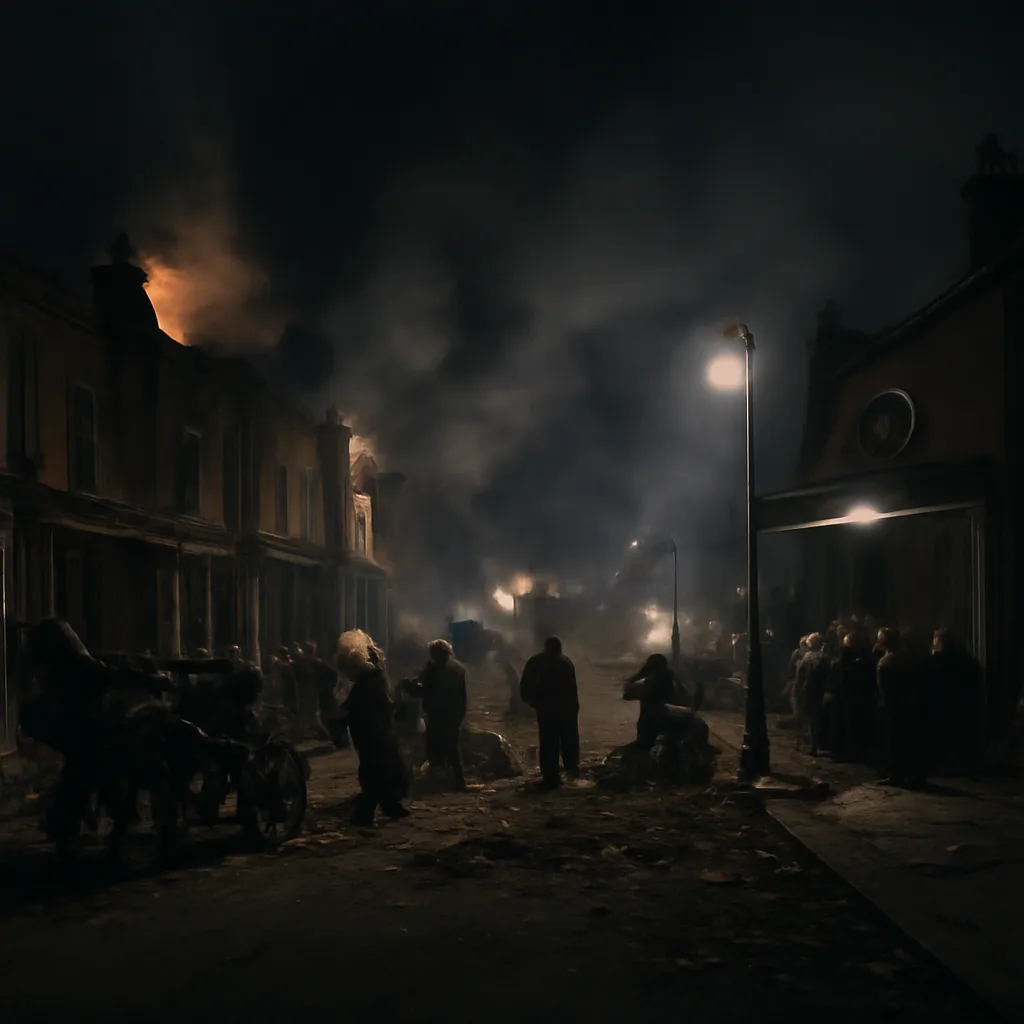
On 7 September 1940, the Luftwaffe launched a sustained night bombing of London that marked the beginning of the sustained Blitz; hundreds of civilians were killed or injured in the first large-scale raids and extensive damage was inflicted across the city.
The attack followed weeks of aerial engagements over Britain during the Battle of Britain. By early September German strategy shifted from attempting to defeat the Royal Air Force in daylight to bombing British cities at night, both to damage industry and to undermine civilian morale. London, as the capital and a major transport and industrial hub, was a principal target. On the night of 7–8 September, the scale and intensity of the raids were greater than previous attacks, signaling a new phase of sustained urban bombardment.
Damage was extensive in parts of the East End, the docks and surrounding residential areas where factories, warehouses and terraced housing were concentrated. Incendiary bombs started widespread fires that overwhelmed local firefighting resources, while high-explosive ordnance caused structural collapses. Civil defence services—air raid wardens, fire brigades, volunteer rescue parties and medical teams—worked through the night and following days to extinguish fires, rescue those trapped in rubble and care for the wounded. The use of Underground stations as improvised shelters increased sharply as civilians sought protection from nighttime raids.
The human toll and material destruction prompted immediate adjustments in civil defence. Authorities expanded voluntary rescue and medical units, improved blackout enforcement, and accelerated production and distribution of props such as sandbags and fire-retardant coverings. Local charities and neighbourhood committees organised relief, billeting and fundraising to support those made homeless. Parliamentary and municipal leaders addressed the nation to reassure the public and to coordinate emergency responses, while newspapers provided casualty counts and lists of damaged streets and facilities.
The raid of 7 September is widely regarded by historians as the beginning of the Blitz phase that continued in varying intensity through the winter of 1940–41 and beyond, during which London and other British cities endured recurrent bombing. Exact casualty figures for any single night can vary between contemporary press reports, government tallies and later scholarship; record-keeping was challenged by the scale of the raids and by the disruption to municipal services. Nevertheless, the impact on civilian life was immediate and profound: habitual patterns of daily life were altered, London's housing stock and industry sustained significant losses, and the psychological effect of regular nightly raids shaped wartime British society and policy for months to come.
Accounts from the period emphasise both the material devastation and the community responses—neighbours helping neighbours, improvised shelters, and the mobilisation of volunteers—which became defining features of British wartime experience. The raids also influenced military and political decision-making, including adjustments to air-defence priorities, civil preparedness measures and the allocation of resources to repair and support affected communities. While the Blitz inflicted heavy costs, it also prompted innovations in civil defence and emergency organisation whose legacies continued after the war.