
09/03/1961 • 5 views
Soviet Nuclear Test Announcement Raises Cold War Tensions
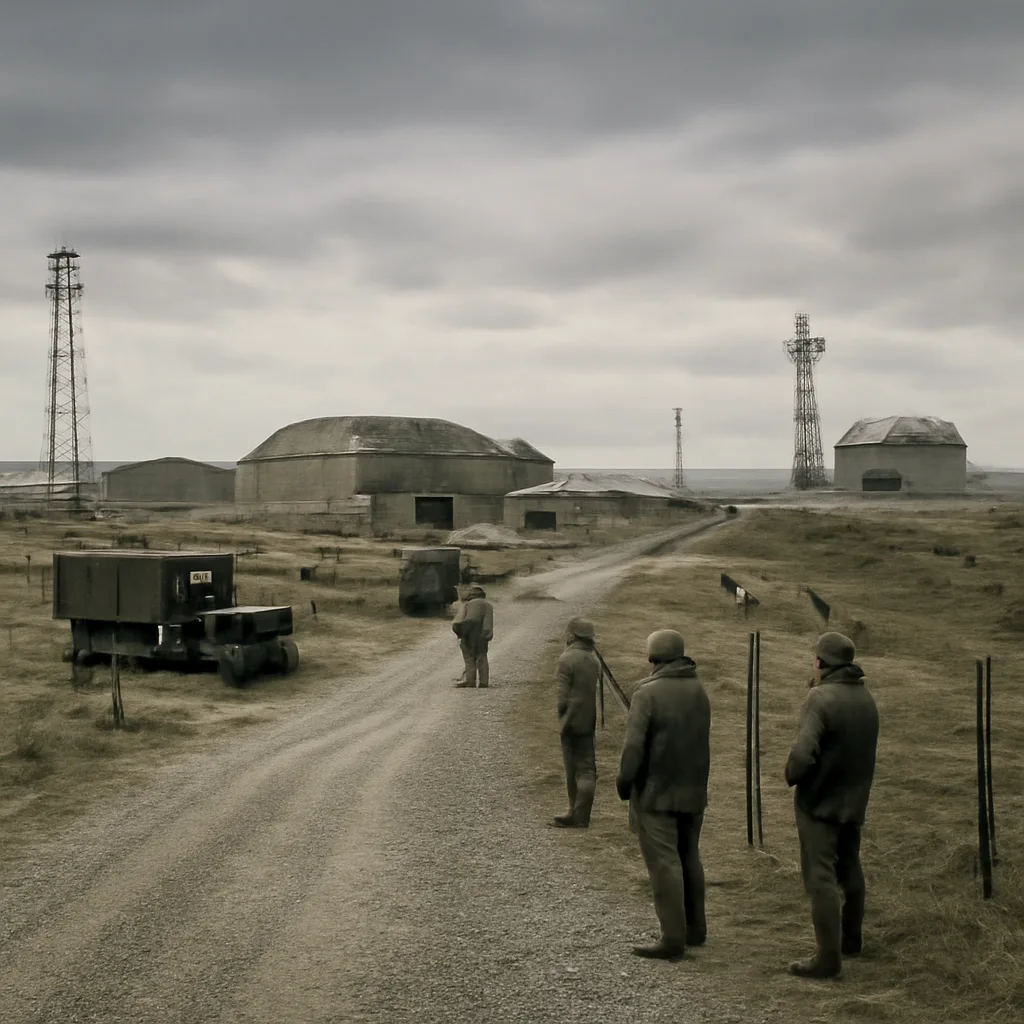
On September 3, 1961, Soviet authorities announced a new nuclear test, intensifying already high Cold War tensions as Western governments and publics weighed the implications for arms competition and global security.
Context
By 1961 the superpower rivalry had moved beyond rhetoric to an accelerating buildup of strategic and tactical nuclear forces. Both capitals pursued testing programs intended to advance warhead design, delivery systems, and yield knowledge. Public announcements of tests served dual purposes: communicating technical progress to domestic audiences and signaling resolve to adversaries and allies.
Immediate international reactions
Western governments expressed alarm and called for consultations. Officials in the United States and NATO framed Soviet testing as evidence of an expanding strategic threat and reaffirmed commitments to deterrence and civil defense preparations. Some nonaligned and neutral countries voiced concern about escalating nuclear risks and urged restraint and renewed diplomacy to prevent further confrontation.
Diplomatic and political implications
The Soviet disclosure complicated efforts to stabilize arms relations. It intensified debates in capitals over whether to pursue accelerated weapons development, increase stockpiles, or seek negotiated limits. The test announcement strengthened arguments among hawkish policymakers for bolstering military readiness; conversely, it also bolstered the case from other quarters for arms-control talks to reduce the risk of miscalculation and environmental harm from atmospheric testing.
Public and media response
News outlets internationally covered the announcement with urgency, reflecting widespread public anxiety about nuclear weapons after more than a decade of tests and crises. Editorials and commentary varied by country and political leaning: some portrayed the Soviet action as aggressive posturing, while others emphasized the mutual dangers of an uncontrolled arms race and called for diplomatic engagement.
Longer-term consequences
The September disclosure was one of several events in the early 1960s that intensified pressure for arms-control measures. Heightened public concern about nuclear testing and growing recognition of the humanitarian and environmental consequences of atmospheric tests contributed to later diplomatic efforts, including talks that culminated in the Partial Test Ban Treaty of 1963. However, in the short term, announcements of tests tended to harden strategic postures and complicate trust between East and West.
Uncertainties and sources
Contemporary reporting established that the Soviet Union conducted tests during this period and sometimes issued public statements about them; precise yields, objectives, and technical details were often classified or disputed at the time. This summary relies on the widely documented pattern of Cold War nuclear testing and public diplomacy in 1961, without asserting specific classified data that remain uncertain or contested.
Conclusion
The Soviet announcement of a nuclear test on September 3, 1961, intensified Cold War tensions by reinforcing perceptions of an expanding nuclear competition. While it increased pressure for military preparedness in the short term, it also contributed to the climate of concern that ultimately fed into diplomatic efforts to limit atmospheric testing and reduce some nuclear risks in the years that followed.