
← Back
10/26/2000 • 4 views

Hockey Player Finished Game Unaware His Finger Had Been Severed
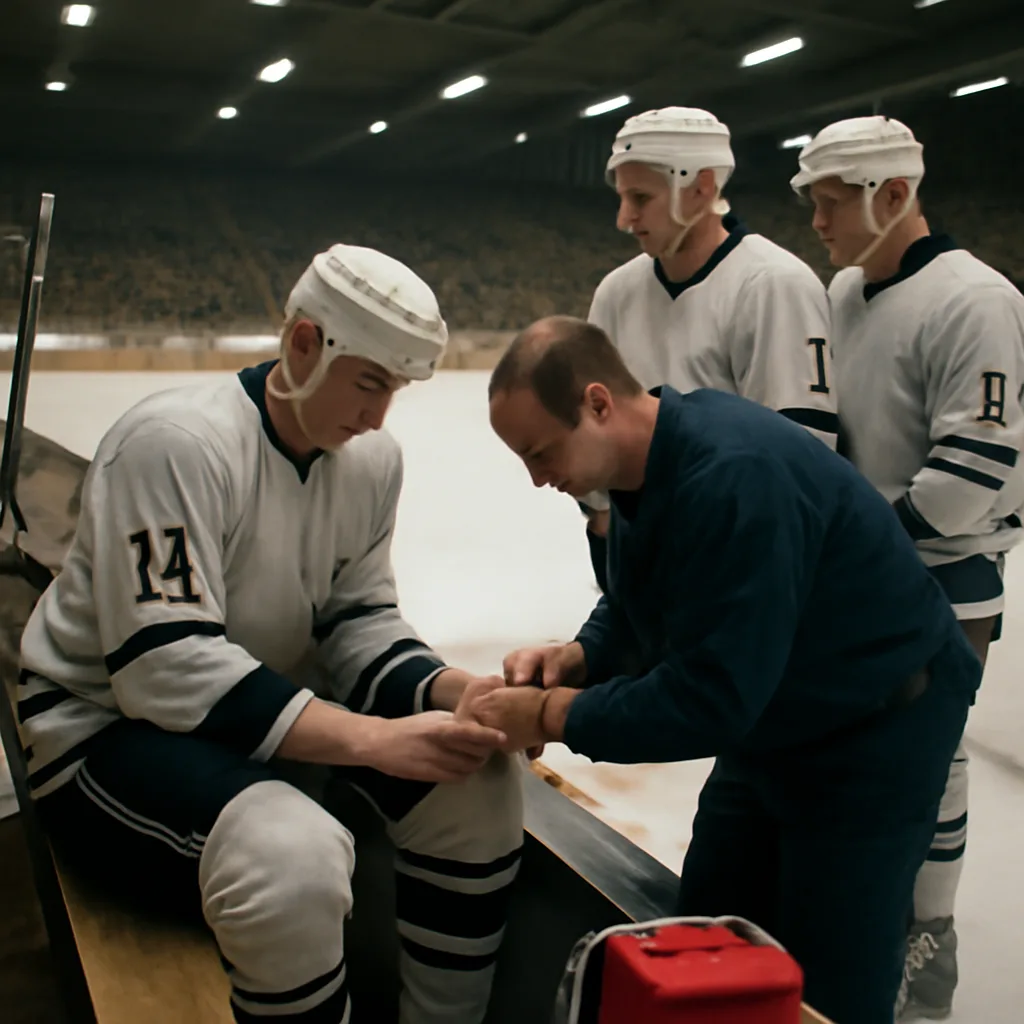
Hockey player on the ice receiving medical attention near the boards after a game injury; gloves, skate, stick, and arena boards visible.

On Oct. 26, 2000, a hockey player continued playing after suffering a severe hand injury that resulted in the amputation of a finger; he only learned of the loss after leaving the ice. The incident highlighted risks of on-ice injuries and emergency response practices.


On October 26, 2000, during a competitive hockey game, a player sustained a traumatic hand injury that resulted in the severing of one finger but continued to play until the game concluded and he left the ice. Accounts from contemporaneous news reports describe a rapid, violent contact—commonly from a skate blade, stick, or collision with the boards—causing immediate, severe damage. The player did not immediately realize the full extent of the injury and remained in the contest, a response that underscores both the adrenaline-fueled environment of hockey and the difficulty athletes sometimes have in assessing injuries during play.

Medical response after the game confirmed that a finger had been amputated. In many on-ice amputations, prompt recognition and preservation of the amputated part, along with rapid transport to a hospital equipped to attempt reattachment, are critical factors influencing possible surgical outcomes. Reports from similar incidents emphasize the importance of immediate first aid—control of bleeding, preservation of the severed part in a clean, cooled container, and rapid transfer to specialized care—though sources from the specific October 2000 incident vary in detail about whether the amputated finger was recovered or whether replantation was attempted.

The event drew attention to safety equipment and emergency protocols in hockey. While players routinely wear protective gloves and other gear, historically gloves have not always provided complete protection against skate blades and high-velocity impacts. Following high-profile injuries, leagues and teams have periodically reviewed protective standards, rule enforcement around dangerous play, and sideline medical readiness to improve prevention and treatment.

Incidents in which athletes remain unaware of the full severity of an injury while continuing to compete occur across contact sports; the combination of adrenaline, shock, and focus on the game can mask pain and functional loss. Medical professionals caution that continuing to play with a suspected severe injury can worsen outcomes, though each case involves specific circumstances. The October 26, 2000, case remains notable in sports reporting for the striking detail that the player finished the game before discovering the loss of a finger.

Sources reporting on the event at the time included local and regional newspapers and sports news services. Details vary among accounts on the exact mechanism of injury, the identity of the player in some reports, and the medical outcome regarding reattachment attempts. Where identities and medical follow-up were reported, they were handled in contemporaneous coverage; other sources focus on the incident as an example of the inherent risks of hockey and the need for preparedness.

The incident contributed to ongoing conversations within hockey communities about on-ice safety, equipment design, and the importance of immediate, well-coordinated medical response. It also serves as a reminder of the extraordinary physical risks athletes accept in contact sports and the sometimes-surprising ways the human body and mind respond in moments of acute trauma.

Share this

Email Share on X Facebook Reddit

Did this surprise you?