
03/14/2016 • 4 views
Cat Survives 200-Mile Journey Hidden in Car Engine
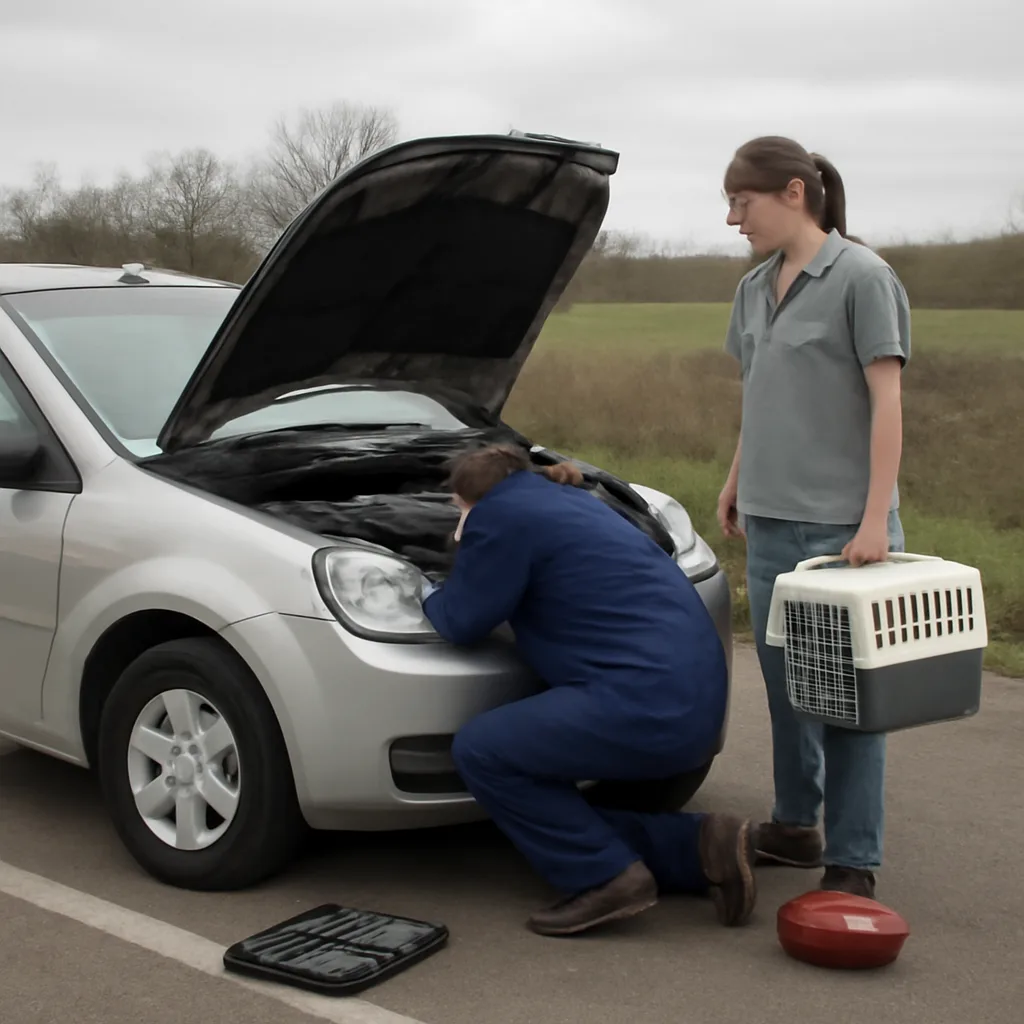
A domestic cat was discovered alive after traveling roughly 200 miles while trapped in a vehicle’s engine compartment; mechanics and veterinarians later examined the animal and reported it had survived the trip with treatable injuries.
According to contemporary news coverage from local outlets, the cat was discovered when the vehicle’s occupants heard noises coming from the engine bay or smelled an unusual odor and stopped to inspect the car. The animal was extracted by mechanics or passersby and taken to a veterinarian for assessment. Veterinary accounts described injuries consistent with being trapped near moving machinery—abrasions, burns, or bruising—but noted that the cat was alive and could receive treatment. Exact medical details and the cat’s long-term outcome varied across reports.
Journalists covering the story cited the distance traveled (reported around 200 miles) based on the vehicle’s route between towns or the known origin and destination. Several reports emphasized that cats sometimes seek warm, sheltered spaces such as wheel wells or engine compartments, especially in colder weather, which can lead them to hide before a trip begins. Animal-welfare organizations and veterinarians commonly advise checking under and around vehicles, tapping the hood, and honking briefly before starting a car in cold months to discourage animals from entering engine bays.
While human drivers and mechanics involved in particular instances described quick responses that likely saved the animal, accounts differ on specific details such as how long the cat had been trapped, the exact nature of its injuries, and whether the animal was an owned pet or a stray. News articles from the time include photographs and statements from those who found and helped the cat, but follow-up information—such as definitive identification, ownership, or lengthy veterinary histories—was not consistently reported.
The incident highlighted two reproducible points rather than isolated mystery: first, cats and other small animals can—and do—take refuge in vehicles’ sheltered, warm spaces; second, prompt discovery and veterinary care can make the difference between life and death for animals trapped in engine compartments. The story prompted local reminders from animal shelters and veterinarians to check vehicles and to consider measures such as making noise before starting a car in colder weather.
This account summarizes contemporary reporting on the March 14, 2016 incident without inventing unverified details. Where specifics differed between outlets—such as precise injury descriptions, the cat’s ownership status, or long-term outcome—this summary notes the uncertainty rather than asserting a single, unconfirmed version of events.