
← Back
02/06/1904 • 7 views

Exposed: The Earliest Documented Staged Haunting, 1904
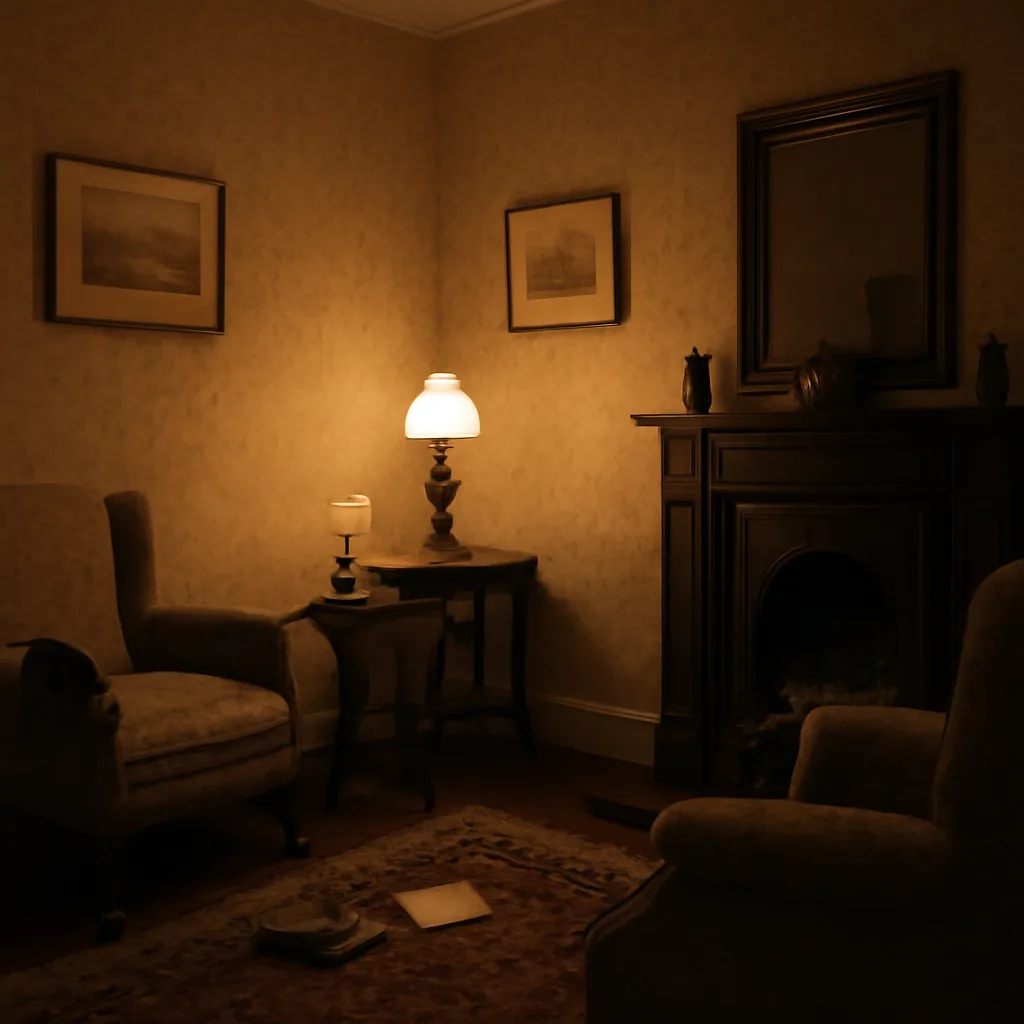
Early 20th-century middle-class parlor interior with gas lamp, upholstered chairs and a small table with scattered household objects; an empty room suggesting prior disturbance.

On 6 February 1904 a widely reported ‘haunting’ in England was revealed to be a deliberate deception, marking what historians consider the first clearly documented case of a staged paranormal hoax.


On 6 February 1904 newspapers and periodicals in Britain and beyond covered the unmasking of a high-profile supernatural claim that investigators later described as a deliberate hoax. The case involved a household report of poltergeist-like disturbances—objects moving, unexplained noises and alleged psychic phenomena—that had attracted local attention and visiting amateur investigators. Public interest and press coverage turned to skepticism after a local inquiry produced evidence that the disturbances had been staged by people in the household.

Contemporary accounts indicate the episode unfolded in a domestic setting typical of early Edwardian Britain: a middle-class home with decorative but utilitarian furnishings, gas lighting and the social conventions that prioritized reputation and respectability. Initial reports emphasized mystery and the possibility of the supernatural, reflecting widespread popular fascination with spiritualism and psychical research at the time. By the turn of the century, séances, mediumship and supposed manifestations of spirits were prominent features of public life and discussion, debated in scientific circles as well as in salons and newspapers.

The 1904 exposure was notable for its combination of eyewitness testimony, press scrutiny and local investigation. Investigators—drawn from local authorities and interested members of the public rather than professional criminologists—collected statements and material evidence suggesting trickery: concealed strings or wires, witnesses who admitted to moving objects, and inconsistencies in the timeline offered by the household. Reporters published these findings, and the narrative shifted from eerie mystery to social scandal. The revelation had immediate effects: the family involved faced public embarrassment, and the incident was cited in subsequent critiques of spiritualist claims and in guides advising caution about alleged supernatural events.

Historians treat the 1904 case as significant because it is among the earliest well-documented instances where a reported haunting was demonstrably staged and exposed in the public record. It predates later, better-known hoaxes and contributed to a growing culture of skepticism toward mediumistic claims, especially when those claims intersected with the press. At the same time, the episode illustrates broader cultural currents: the popularity of spiritualist belief, anxieties about domestic respectability, and the role of mass media in deciding which stories were amplified or debunked.

For historians of paranormal belief and media, the 1904 exposure is useful as a clear example of how social and material evidence—household objects, witness statements, and newspaper reporting—could overturn supernatural explanations. It also shows the limits of contemporary investigative methods: while local inquiries could reveal staged actions, broader structural questions about why such hoaxes occurred (economic motives, attention-seeking, or psychological factors) were not always addressed in surviving coverage.

This case does not close the book on spiritualist claims of the era. Many contemporaneous reports remained contested, and not every exposed incident negated other authentic-seeming phenomena reported by witnesses. But the 1904 staged haunting remains a touchstone in the history of skepticism: an early documented instance in which everyday mechanics and social dynamics were used to manufacture the appearance of the uncanny, only to be undone by scrutiny and reporting. Scholars continue to cite the case when tracing the interaction between popular belief, deception, and the rise of investigative practices in the early 20th century.

Share this

Email Share on X Facebook Reddit

Did this surprise you?