
07/22/2011 • 5 views
Mass shooting on Utoya Island kills dozens during youth camp
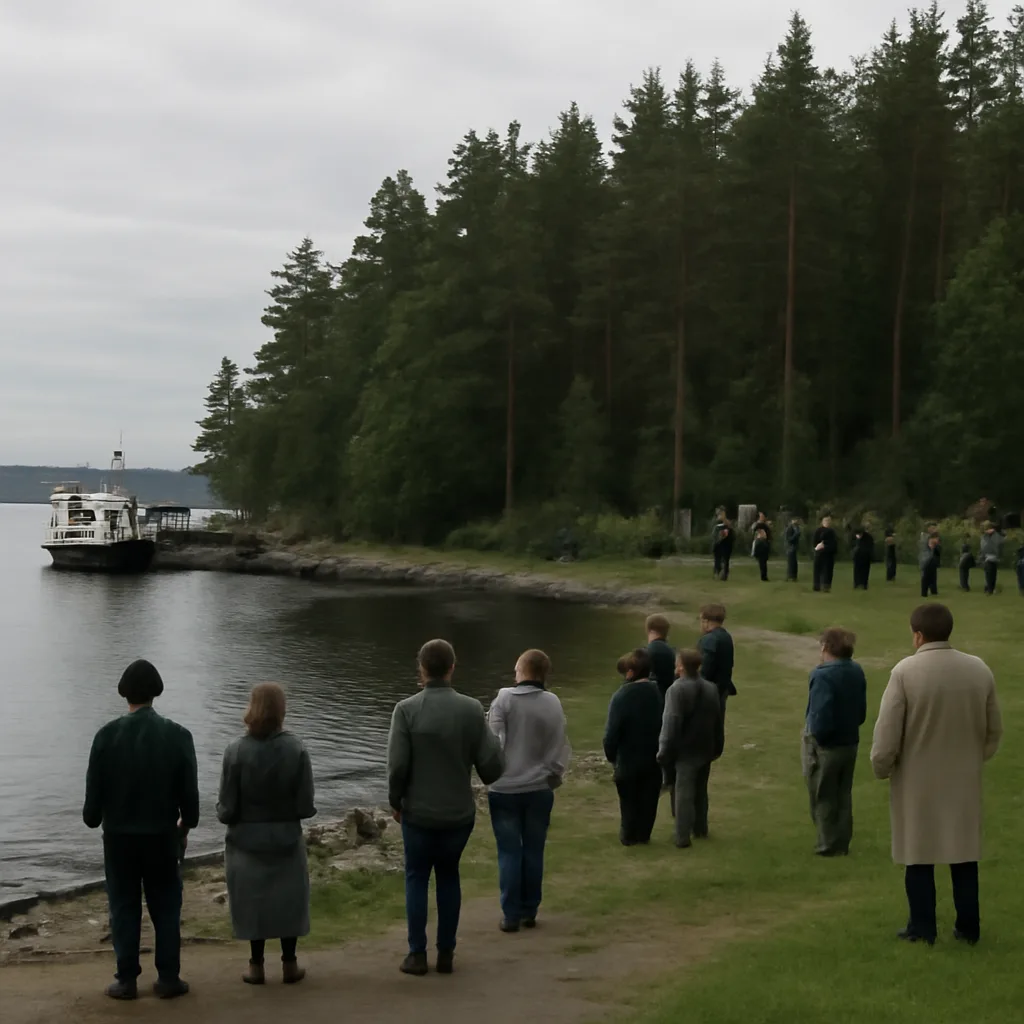
On 22 July 2011, a gunman opened fire at a Labour Party youth camp on the island of Utoya, Norway, killing dozens and injuring many more in one of the country’s deadliest attacks.
The shooter moved across the island for about an hour, firing indiscriminately and chasing people into the woods and water as they tried to flee. Many victims attempted to hide or swim away; some were killed while in the water. Emergency services reached the island after a delay driven by initial confusion and the difficulty of coordinating transport and response across the lake. In total, 69 people were killed on Utoya; combined with eight killed in the Oslo bombing earlier that day, the overall death toll was 77.
The attacker was arrested on the island by police after being detained without a firearm and later charged with mass murder and terrorism. The motive was identified by investigators and the attacker’s statements as right-wing extremist ideology, targeting Norway’s political leadership and immigrant-friendly policies. The case led to widespread shock and national mourning in Norway and prompted debates about security, emergency response, and the root causes of violent extremism.
In the aftermath, Norway held memorials and public vigils. Survivors, families of victims, and the wider community engaged in discussions about reconciliation, remembrance, and how to preserve open democratic spaces while addressing security concerns. The trial of the attacker resulted in a conviction; Norwegian courts and mental health experts examined questions of culpability and sentencing under Norway’s legal framework. The attack also spurred international dialogue about countering violent radicalization.
The events on Utoya had enduring effects on Norwegian society and politics, including efforts to improve emergency preparedness, youth support services, and research into extremism. Several memorials and a national day of remembrance were established to honor the victims. The island itself became a focal point for remembrance activities; debates about how to commemorate the site—balancing the need to remember with the wishes of survivors and victims’ families—continued for years following the attack.
Historical accounts of 22 July 2011 rely on court records, survivor testimony, official investigations, and contemporaneous reporting. Details such as the sequence of events, emergency response timelines, and legal proceedings are documented in public records and widely reported sources. Some discussions—about motivations, mental health, and long-term policy responses—remain subject to analysis and debate among scholars and policymakers.