
10/04/1995 • 5 views
French Police Dismantle Secret Cult Compounds in 1995 Sweep
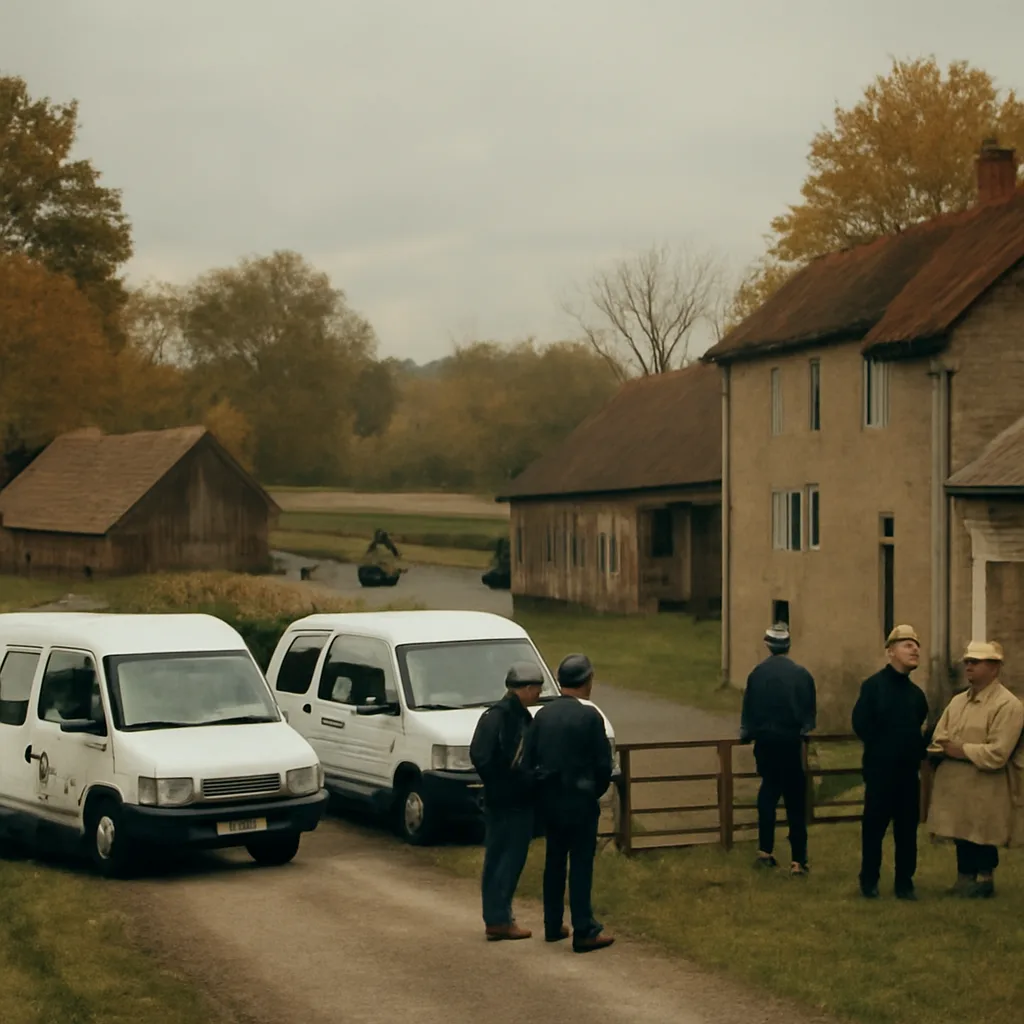
On 4 October 1995 French authorities raided and dismantled several isolated compounds linked to a clandestine religious movement, detaining leaders and removing vulnerable residents amid growing public concern over cult activity.
The sites targeted in early October were located in rural and semi-rural areas; the compounds had attracted attention for their secrecy, communal living arrangements and reluctance to engage with outside institutions such as schools and social services. French investigators had received multiple complaints from former members and relatives, prompting surveillance and judicial inquiries. Police actions included searches, seizures of documents and material evidence, and the temporary removal of some residents for welfare assessments.
Detentions focused on individuals identified by prosecutors as exercising controlling authority within the movement. Charges brought in the immediate aftermath related variously to deprivation of liberty, failure to meet legal obligations toward minors, and unlawful detention. Judicial follow-up varied by case: some leaders faced prosecution, while other matters proceeded through administrative routes such as child protection interventions and civil measures to ensure access to education and healthcare for those removed from the compounds.
The raids prompted public debate in France about the balance between respecting religious freedom and protecting citizens from abusive practices. Advocates for stronger state intervention argued that the secrecy and isolation of the compounds had permitted coercive control, while civil liberties groups warned against sweeping measures that might stigmatize nonconformist religious communities and risk violations of freedom of conscience. French courts and parliamentary bodies have since wrestled with these tensions, shaping legislation and policies addressing sect-like movements and how to respond to allegations of abuse within them.
Media coverage at the time combined investigative reporting with analyses from legal experts, social workers and former adherents. Commentators highlighted the difficulties of distinguishing between lawful communal lifestyles and illegal coercion, particularly when adults assert consent to live in communal or ascetic conditions. Children and dependent adults emerging from the compounds received particular attention, and authorities prioritized their care, schooling and psychological support through child protection services and partnered NGOs.
In the longer term, the 1995 operations contributed to ongoing French efforts to map and regulate groups deemed potentially harmful. The events fit into a broader national context in which successive governments sought tools to identify and intervene in abusive sectarian practices while maintaining constitutional protections for religion and association. Records and reporting from the period reflect contested assessments of the scale and nature of the problem, and scholars note that responses evolved through legal cases, parliamentary inquiries and public debate.
Because reporting and judicial records from the period vary by case and locale, some details about individual compounds, numbers of detainees and specific legal outcomes remain case-specific and are best verified through contemporaneous court documents, government reports and reliable archival journalism. The 4 October 1995 raids are nonetheless remembered as a notable instance of French authorities taking decisive action against secretive communal groups amid heightened concern for vulnerable residents’ welfare.