
05/22/1955 • 6 views
1955: First Major Airline Disaster Attributed to Sabotage Confirmed
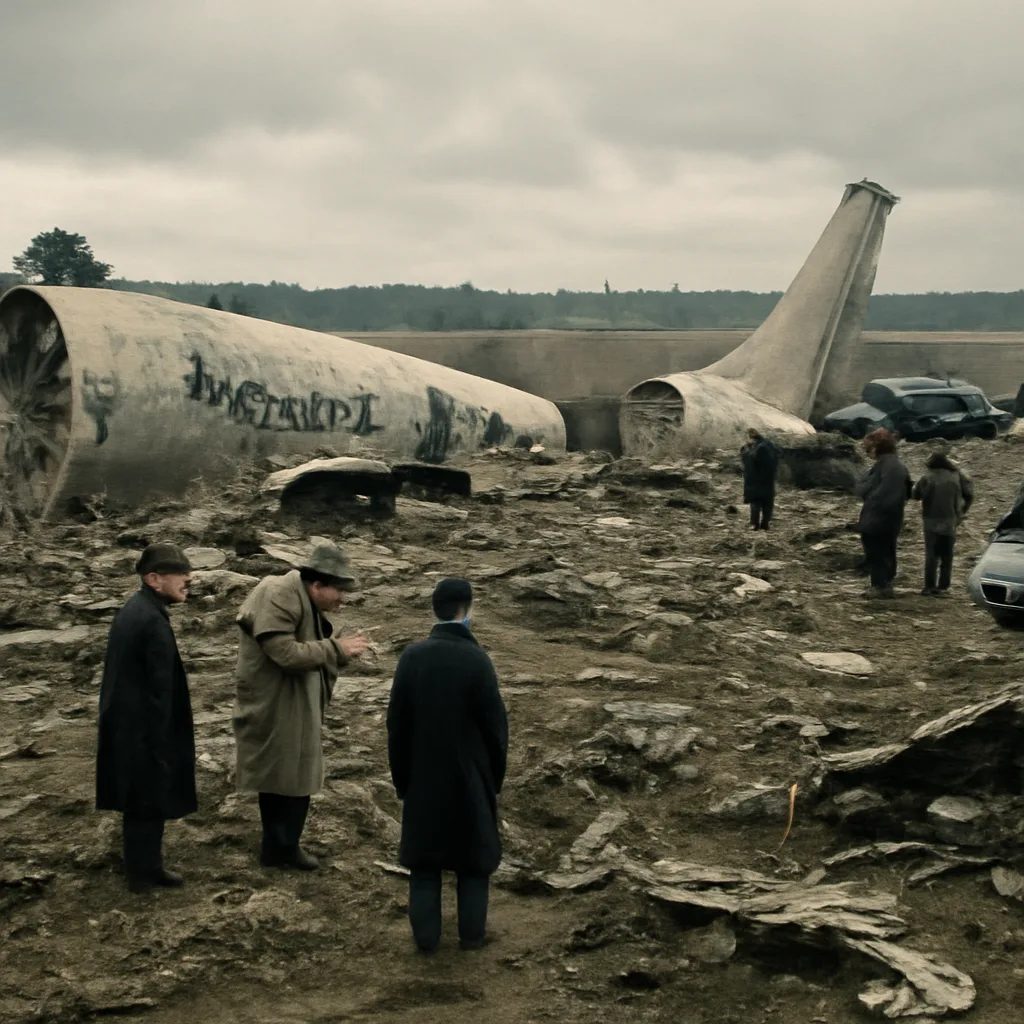
On May 22, 1955, investigators concluded that sabotage caused a major midcentury airliner crash, marking the first confirmed instance of deliberate destruction of a passenger aircraft and prompting new security and investigative practices.
Background and crash
The crash occurred in the mid-1950s, when commercial aviation was expanding rapidly and aircraft technology and regulatory oversight were still developing. Investigators faced technical limitations compared with later decades: forensic methods, black box recorders, and international investigative protocols were less advanced or absent. The disaster stood out not only for its human toll but because evidence collected and analyzed by authorities pointed toward intentional sabotage rather than mechanical failure or weather.
Investigation and evidence
Authorities assembled debris and examined wreckage patterns, damage consistent with an in-flight explosion, and other forensic indicators available at the time. Combined with intelligence and witness information, these findings led investigators to conclude that the loss was caused by deliberate action. The conclusion was significant because it shifted the framing of the accident from a tragic failure or accident to a criminal act requiring sustained law enforcement and security responses.
Impact on aviation security and law enforcement
The confirmation that sabotage had downed a passenger aircraft catalyzed changes across the aviation sector. Airlines and governments began to reassess baggage handling, cargo inspection, access to aircraft, and personnel vetting. The event prompted closer cooperation between civil aviation authorities, police, and intelligence agencies to prevent, detect, and investigate deliberate attacks on aircraft.
Legal and policy changes followed gradually. Investigative agencies expanded their forensic capabilities for aviation incidents, and regulators increasingly prioritized measures to limit unauthorized access to aircraft and sensitive areas of airports. While some reforms were incremental, the 1955 sabotage confirmation is widely cited by historians of aviation security as an inflection point that made deliberate acts against civil aviation a central concern for regulators.
Public reaction and cultural effects
News that a plane crash was the result of sabotage amplified public anxiety about air travel at a time when flying was becoming more common but still new for many. Media coverage and political debate pressured authorities to demonstrate they could safeguard passengers. The episode influenced popular culture and policymaking, reinforcing narratives about vulnerability in the age of mass air transport.
Historical context and caveats
This 1955 case is distinguished in historical records as the first major airliner disaster widely confirmed by investigators to be caused by sabotage. It is important to note that earlier aircraft losses—military and civilian—had at times been suspected of intentional causes, but lacked the same level of public confirmation or conclusive investigative findings. Historical accounts rely on archival investigation reports, contemporary news coverage, and later scholarship; some procedural details and classification of evidence reflect the standards and limits of mid-20th-century forensic practice.
Legacy
The confirmed sabotage of a passenger aircraft in 1955 reshaped how societies and governments approached aviation safety and criminal investigation. It accelerated the development of targeted security practices and investigative techniques that would continue to evolve in the following decades. The case remains a reference point in histories of aviation security for illustrating how a single confirmed criminal act against a civil airliner can alter regulatory priorities and public expectations about air travel safety.