
05/22/1933 • 4 views
Investigation Opens into 22 May 1933 Airplane Sabotage — an Early Case in Aviation History
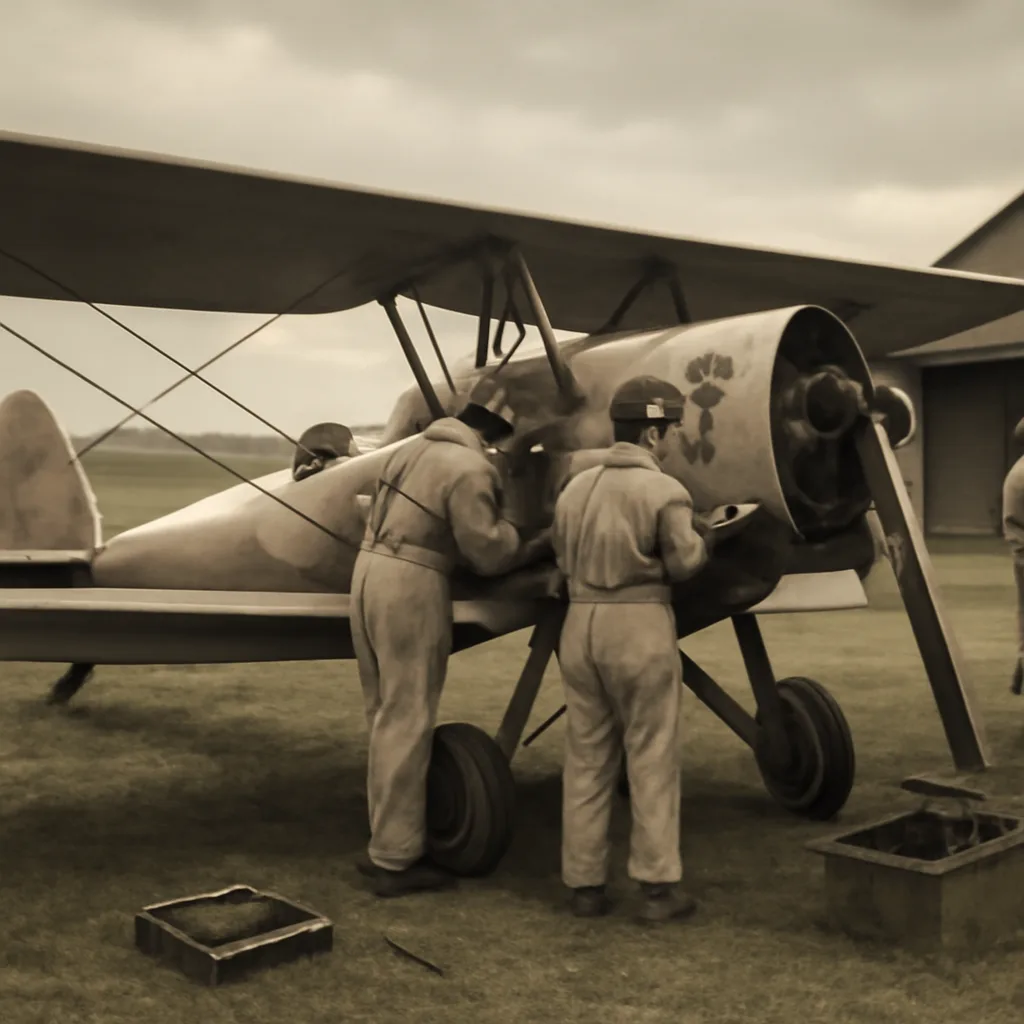
On 22 May 1933 authorities investigated what contemporaneous reports described as the first documented case of airplane sabotage: deliberate tampering with aircraft leading to a crash and renewed attention to aviation security in the interwar years.
Context
By 1933 commercial and private aviation were expanding rapidly. Aircraft designs, maintenance practices and regulatory oversight were still evolving, and public concern about safety was high. Sabotage as a concept—deliberate interference with transportation for malicious or political ends—had precedent in rail and maritime incidents, but its application to aircraft was novel and alarming to regulators, operators and the traveling public.
The incident and immediate response
Reports from the period describe a crash investigated for cause; conflicting early accounts attributed the accident to mechanical failure, human error or, increasingly in press coverage, intentional tampering. Authorities examined wreckage, maintenance records and witness testimony. The nascent state of forensic aviation science limited the ability of investigators to definitively distinguish between accidental failure and deliberate sabotage. Newspapers seized on the possibility of sabotage, which intensified public debate over security measures for aircraft, ground facilities and maintenance procedures.
Evidence and uncertainty
Primary sources from 1933 show that conclusions varied: some officials expressed suspicion of foul play based on discovered damage consistent with tampering; others cautioned that similar damage could result from normal in-flight stresses or post-crash disturbance. No universally accepted, contemporaneous forensic standard existed to conclusively identify deliberate sabotage in air accidents. Later historians and aviation analysts reviewing the case note the limitations of the evidence and the influence of sensational reporting on public perceptions.
Impact and legacy
Whether or not the 22 May 1933 incident constituted proven sabotage, its treatment in the press and by officials helped catalyze changes in aviation practice. Airlines and authorities increased scrutiny of maintenance and access to aircraft, and authorities began to consider protocols for security and investigation of suspicious incidents. The episode contributed to the broader historical development of aviation safety and security: as aircraft became central to transportation and geopolitics, procedures for chain-of-custody of parts, lockable access panels and more rigorous investigation techniques gradually emerged.
Historiography and caution
Modern scholars treat the 1933 case with caution. It is often cited as an early example of alleged aircraft sabotage in public discourse, but historians emphasize that definitive proof of deliberate tampering in that specific event remains contested or lacking. Researchers rely on contemporary newspapers, aviation periodicals and archival investigation reports where available, while acknowledging that journalistic amplification and limited forensic capability of the era complicate definitive judgment.
Conclusion
The 22 May 1933 investigation exemplifies how early aviation incidents could be interpreted through the lens of sabotage amid public anxiety and evolving technical knowledge. The episode influenced subsequent attention to aircraft security and investigative methods, even as the question of whether that particular crash was intentionally caused has not been settled beyond dispute.